


A slow or clogged drain doesn’t have to mean reaching for harsh chemicals. This guide is for homeowners and renters looking for safe, effective ways to clean and maintain their home drains. Proper drain cleaning prevents costly repairs and keeps your plumbing running smoothly. As local plumbers, we’ve seen firsthand how natural, chemical-free methods can clean drains and keep sinks, showers, and tubs flowing freely—using simple remedies like baking soda and vinegar for regular maintenance and unclogging. This guide walks you through everything from quick fixes to ongoing maintenance.
Quick Answers: How to Clean a Slow or Clogged Drain Today?
The safest, most immediate way to tackle a slow drain is through mechanical action and gentle harsh household products. As an expert local plumber we do not endorse hazardous chemical drain cleaners because they create more problems than they solve.
Here’s your quick-fix sequence:
- Remove standing water using a cup or bucket to expose the drain opening
- Use a sink plunger (cup-style) with a few inches of water for seal, applying 15-20 firm vertical strokes
- Insert a plastic hair snake or Zip-It tool 2-3 feet into the drain, twisting to hook debris
- Flush with very hot water (140-160°F tap water, not boiling) to rinse residue
Most people can resolve a minor clog with these steps before needing to call a professional.
This unclogging job typically takes 20-40 minutes for minor clogs. Stop DIY attempts and call a professional plumber if you see no improvement after two tries, or if water backs up in other fixtures.
How Drains Get Dirty and Clogged in Real Homes
Even modern PVC and copper drain pipes installed after 1980 develop buildup over time. Those smooth interior walls gradually narrow as layers accumulate, sometimes reducing effective diameter by 50% or more within 2-5 years without maintenance. This narrowing restricts water flow, increasing the risk of clogs and backups.
Common culprits vary by room:
| Location | Primary Debris |
|---|---|
| Kitchen | Grease, fats, starches, coffee grounds, food scraps |
| Bathroom | Hair, soap scum, toothpaste, shaving foam |
| Laundry | Lint, detergent residue, sludge |
| A dirty drain drains slowly and produces foul odors from bacteria breaking down trapped organics. A fully clogged drain creates standing water, gurgling sounds, and backups into fixtures. Older galvanized steel or cast-iron pipes are particularly prone to internal corrosion that traps 2-3 times more debris than newer materials. |
Natural Drain Cleaning with Baking Soda, Vinegar, and Hot Water
This method works for maintenance and minor slow drains but won’t break through solid blockages. Baking soda is a mild base that reacts with vinegar (a mild acid) to produce carbon dioxide bubbles that agitate and loosen light organic buildup.
A simple routine:
- Pour 1/2 cup baking soda directly into the drain
- Follow with 1/2 to 1 cup white vinegar
- Cover the drain and let it sit for 15-30 minutes
- Flush with 1-2 quarts of hot water
Avoid using boiling water on PVC drain pipes or acrylic tubs—temperatures over 180°F can warp plastic and damage adhesives. Very hot tap water is safer for most homes.
Important limitations: This won’t cut through a solid plug of hair or deep grease buildup. Always pair with physical removal using a snake for best results.
Safe Mechanical Tools for Drain Cleaning (No Harsh Chemicals)
We recommend simple mechanical tools before any chemical approach. These options are inexpensive, widely available at hardware stores, and safer for your pipes and septic system.
Essential tools:
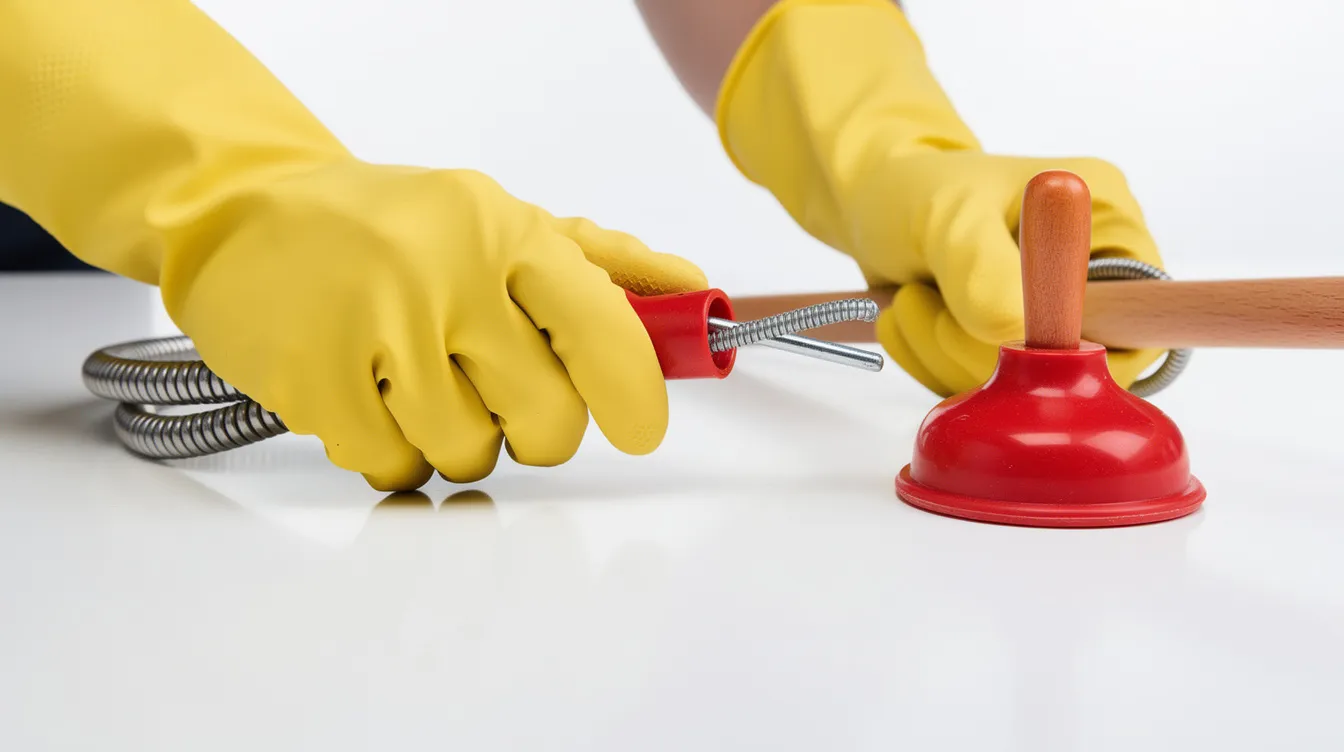
- Sink plunger (cup plunger): A plunger is often the first tool recommended for unclogging drains, as it uses air pressure to break up clogs in kitchen and bathroom sinks. Creates 10-20 psi pressure waves, suitable for sinks, tubs, and showers.
- Plastic hair snake: A hair snake is a recommended tool for unclogging drains, designed to snag debris with its barbs, hooks, or bristles, and is effective for clearing stringy blockages. A flexible barbed strip under $5 that pulls hair and debris from the surface.
- Handheld manual drain auger: Handheld drain augers are effective for cleaning portions of a drain within 25 feet of the drain opening and are commonly used to clear clogs caused by hair and grease. Uses flexible, springy cables—typically 3-6 feet long with a corkscrew head—designed to navigate pipes and clear blockages. Choosing the right cable size is important for different plumbing fixtures and pipe diameters.
- Basic hand tools: Bucket, adjustable pliers, and gloves for p trap access
Note that toilets require a flange plunger—not covered in detail here.
Safety tips: Wear nitrile gloves, protect your eyes from debris splash, and lay towels under the cabinet when working to catch dirty water.
Step-by-Step: How to Clean a Kitchen Sink Drain Without Hazardous Chemicals
Kitchen drain clogs stem primarily from FOG—fats, oils, and grease—which solidify and trap food particles. This accounts for 40-50% of residential plumbing service calls.
The cleaning sink process:
Start by bailing any standing water with a cup. Fill the basin with 3-4 inches of water to create a seal. If you have a double-bowl kitchen sink, block the second drain with a wet rag. Push the plunger firmly in vertical strokes—15-20 times should create enough pressure to loosen most minor clogs.
Follow with 1/2 cup dish detergent and a hot water flush to emulsify remaining grease. Check and clean your strainer basket weekly to prevent half of potential clogs.
For garbage disposals: Power off completely, then run ice cubes with 1/2 cup rock salt and cold water for 30 seconds to scour blades. Never put hands inside the chamber.
If the kitchen drain remains blocked, the clog may be deep in the drain lines and requires professional drain cleaning and clearing services with equipment like a motorized auger or hydro-jetting.
Step-by-Step: How to Clean Bathroom Sink, Shower, and Tub Drains
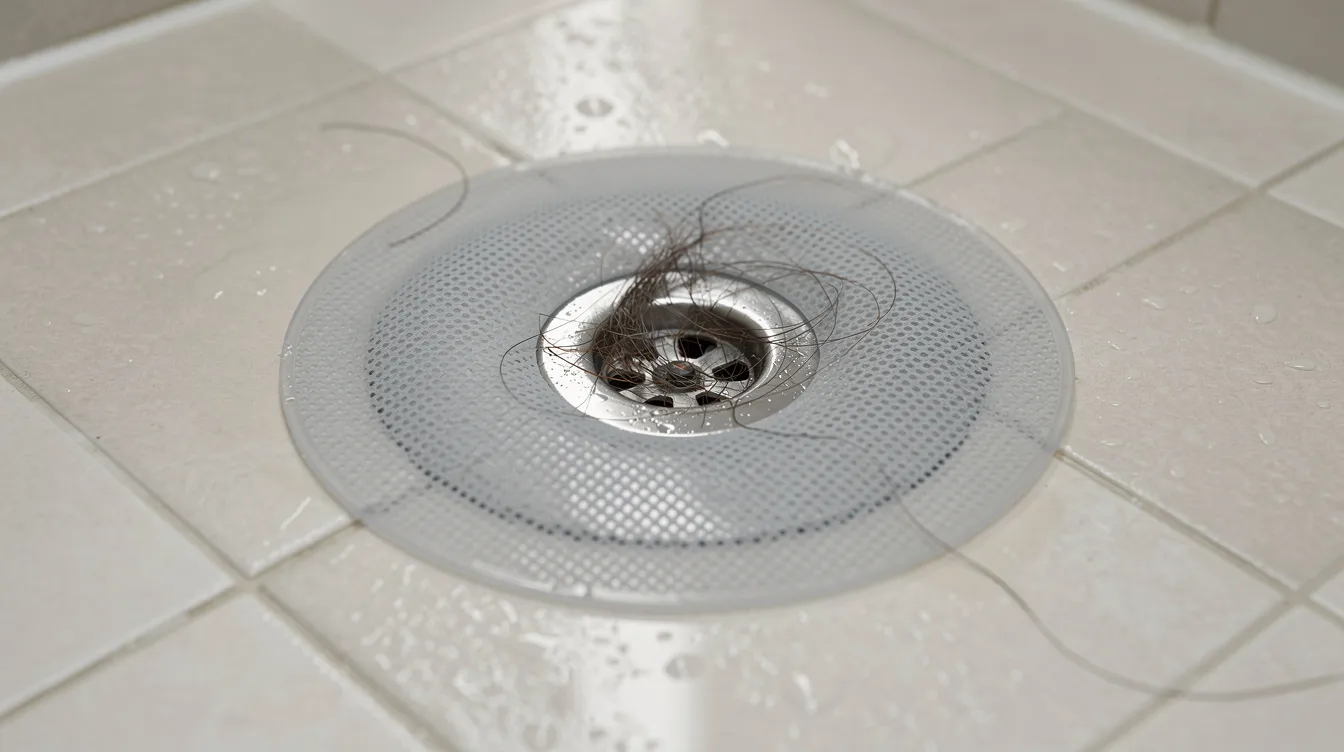
Bathroom drains face different enemies than kitchens—primarily hair, soap scum, and shaving residue. Hair alone causes 70% of bathroom drain clogs according to plumbing industry data.
Start with stopper removal:
- Lift-out types pull straight up
- Twist-and-pull stoppers unscrew counterclockwise
- Pop up assemblies require lifting the rod while unscrewing the pivot nut under the sink
Check the stopper stem for tangled hair—you’ll often find golf-ball-sized accumulations stuck there.
Use a plastic snake or bent wire hanger (hook tip taped smooth) in the drain opening and overflow slots to pull out hair. Insert to resistance, twist, then pull slowly to avoid breaking debris loose deeper in the system.
Finish by flushing with hot water and optionally a baking soda plus vinegar treatment to clear soap film and deodorize.
Preventative tip: Monthly hair removal and a simple mesh drain screen can reduce shower and bathtub clogs by 80-90%.
A More Technical Fix: Cleaning the P-Trap Under the Sink
The drain trap—that curved pipe section under your sink—frequently holds debris because its shape naturally catches material through gravity. This is where most clogs get stuck in sink drains.
DIY sequence:
- Turn off the faucet and shut water valves
- Position a bucket directly under the trap
- Loosen slip nuts by hand or with adjustable pliers
- Carefully remove the trap, allowing dirty water to drain
Clean the trap thoroughly using a bottle brush or old toothbrush with soapy water. Probe the wall arm with a 3-foot snake to check for further blockages you can’t see.
Before reassembly, inspect rubber or plastic washers for cracks—these commonly fail after 5-10 years. Hand-tighten nuts, then add just 1/4-turn with pliers. Overtightening can crack PVC.
Run water for one minute to check for leaks. Tighten incrementally if needed.
If backups recur or affect multiple fixtures in your house, the clog is likely in the main line and requires a top plumbing, drain, and sewer company in Bellevue, WA with camera inspection equipment.
Why We Don’t Recommend Hazardous Chemical Drain Cleaners
From our perspective as local plumbers, we do not endorse hazardous chemical cleaners because the risks far outweigh any convenience.
These products—typically containing lye or sulfuric acid—generate extreme heat exceeding 200°F when they react with blocked material. That creates serious problems:
- PVC softens and warps at temperatures above 140°F
- Metal pipes experience accelerated corrosion
- Rubber gaskets and seals deteriorate rapidly
- Toxic gases like chlorine or ammonia may be released
- Chemicals pooling in blocked pipes can splash back violently
In a completely blocked drain, chemical cleaners simply sit in the pipe and overheat, creating pressure and increasing danger rather than clearing blockages. They also make future professional work hazardous.
Safer alternatives: Mechanical tools handle 95% of clogs on the first pass. For maintenance, baking soda and vinegar cost under $1 per treatment and pose zero risk to your plumbing, your health, or the environment.
Drain Maintenance: Keeping Drains Clean and Odor-Free Year-Round
Regular, gentle maintenance is essential to clean drains and prevent blockages and odors, stopping 80-90% of major clogs and costing far less than emergency drain clearing.
Simple routines:
- Flush each drain with 1 gallon of very hot water weekly to melt grease.
- Use a baking soda and vinegar treatment monthly to disrupt biofilm and help clean drains naturally.
- Remove hair from bathroom drains monthly.
Never put these down your drain:
- Fats, oils, bacon grease
- Coffee grounds
- Rice and pasta (they expand 2x when wet)
- Fibrous vegetable peels
- Wipes (even “flushable” types)
- Hygiene products
Kitchen habits that work: Scrape plates into trash or compost, use strainer baskets always, run cold water 15 seconds when using a disposal, and never pour grease down the sink—let it cool and trash it.
Watch for early warning signs: gurgling sounds indicate air lock, slow draining over 20 seconds signals buildup, and recurring odors suggest anaerobic bacterial growth. Schedule a professional inspection before a full blockage occurs.
When to Call a Local Plumber for Professional Drain Cleaning
Some clogs are beyond DIY and require specialized tools. Knowing when to call saves time and prevents damage.
Contact a professional when:
- Multiple fixtures back up simultaneously
- Sewage odors come from floor drains
- Lower-level fixtures back up when upper fixtures drain
- The same line clogs repeatedly within weeks
- You suspect tree roots have infiltrated drain lines
Professional methods include manual or electric drain snakes reaching 100 feet, high-pressure water jetting at 3000-4000 psi for main lines, and HD camera inspections to locate breaks, sags, or root intrusion in older pipes.
A licensed local plumber can usually resolve most residential drain issues in a single visit—often without any chemicals. If you’re unsure whether it’s safe to continue DIY methods, contact us for an assessment. Protecting your plumbing investment starts with the right approach, and clearing blockages properly the first time prevents costly repairs down the road.
FAQs About Drain Cleaning and Maintenance
Q: How often should I pour very hot water down my kitchen sink drain?
A: Pouring very hot water down the kitchen sink drain at least once a week helps prevent clog-causing buildup on the interior surface of pipes, keeping your drains flowing smoothly.
Q: What is the best way to prevent clogs in bathroom drains?
A: Regularly removing hair and debris from bathroom sink and tub drains, ideally monthly as part of your cleaning routine, can significantly reduce the chance of clogs.
Q: Can baking soda and hot water really clean and deodorize drains?
A: Yes, using baking soda followed by hot water helps clean and deodorize drains by absorbing foul odors and breaking down buildup naturally.
Q: What tools are most effective for clearing clogged drains?
A: Plungers, drain snakes, and hot water are commonly recommended tools. A plunger is often the first choice because it uses air pressure to break up clogs in kitchen and bathroom sinks.
Q: How effective are handheld drain augers?
A: Handheld drain augers work well for cleaning portions of a drain within 25 feet of the drain opening and are especially useful for clearing clogs caused by hair and grease.
Q: Is boiling water safe to use for cleaning kitchen drains?
A: Boiling water can effectively melt grease and soap scum that trap other debris in kitchen sinks, but it should be used with caution to avoid damaging plastic pipes or fixtures.
Q: Should I use chemical drain cleaners to clear clogs?
A: Chemical drain cleaners contain corrosive acids or alkalis that can unclog organic materials, but excessive use can damage pipes. They should be considered a method of last resort, especially for completely blocked sinks, due to safety hazards and potential plumbing damage.
Q: Are mechanical methods better than enzyme-based products for drain cleaning?
A: Mechanical methods provide immediate results for clearing drains, while enzyme-based products are better suited for maintenance and breaking down organic buildup over time.
Share this post:


