


If your kitchen sink is full of murky water or your shower is backing up on a wet Wednesday evening, you’re not alone. Clogged drains are one of the most common plumbing headaches for Seattle homeowners, and our city’s older pipes, towering trees, and rainy winters make the problem worse than most places. This guide walks you through what’s happening, what you can safely fix yourself, and when it’s time to pick up the phone.
Key Takeaways
- If multiple fixtures back up at once, gurgle, or smell like sewage, you likely have a clogged sewer line-stop using water immediately and call a plumber for emergency help.
- For a single clogged drain with no sewage present, try pouring boiling water down the line, using baking soda and vinegar, plunging with a tight seal, or running a basic drain snake before calling a pro.
- In older Seattle neighborhoods like Ballard, Capitol Hill, and West Seattle, tree roots, aging clay or cast-iron pipes, and accumulated grease are the leading causes of recurring clogs.
- Persistent or whole-house clogs are a plumbing emergency-a professional plumber can run a camera inspection, perform hydro jetting, or recommend sewer line repair to solve the problem at its source.
- Prevention costs far less than repair: install drain strainers, dispose of grease properly, and schedule routine drain cleaning every one to three years for older properties.
Why Your Drain Is Clogged Right Now (Quick Answers First)
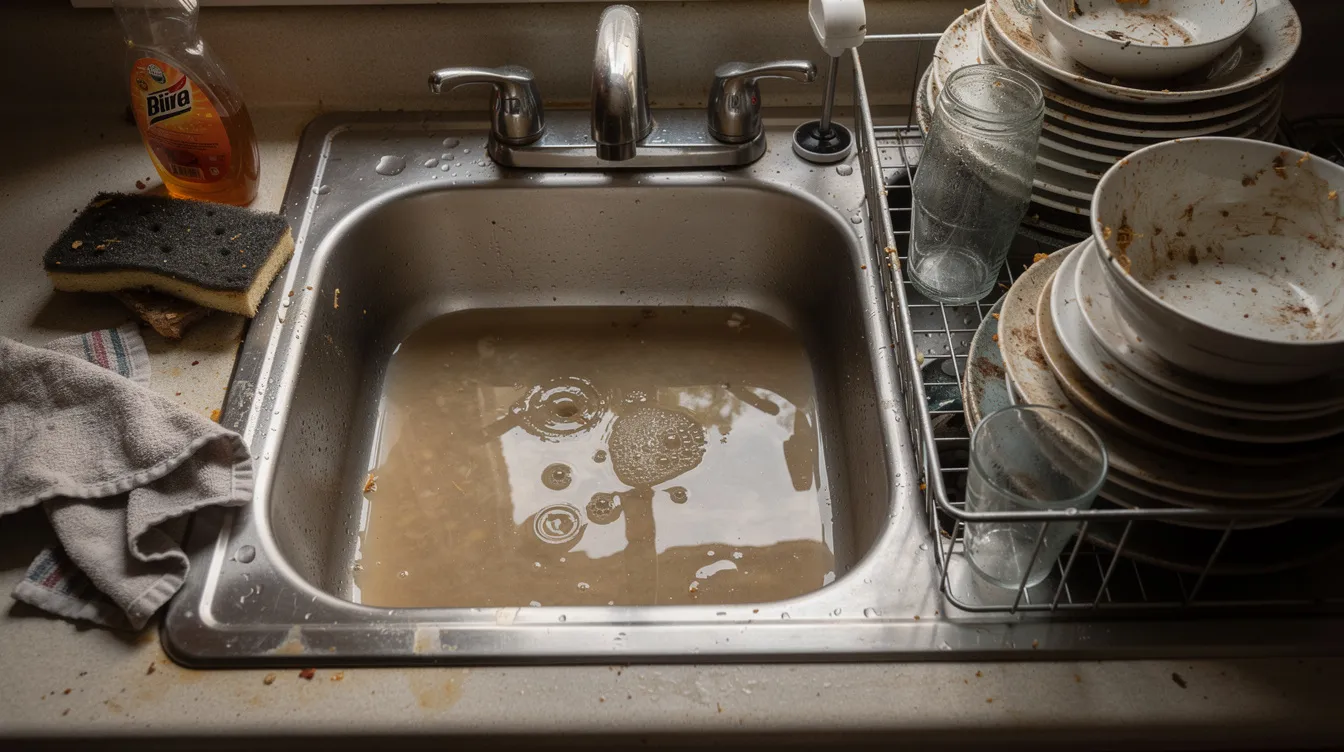
You’ve got standing water in the sink, dinner’s half-cooked, and the rain hasn’t stopped in three days. Before you panic, here’s a quick look at what might be going on based on the symptoms you’re seeing right now.
Symptom → Likely Cause:
- Slow bathroom sink or tub drain → Hair and soap scum buildup inside the P-trap or pop-up stopper.
- Backed-up kitchen sink → Grease, oil, food scraps, or coffee grounds clogging the drain pipe and horizontal runs.
- Toilet gurgles when the shower runs → Possible clogged sewer line or blockage in a shared branch line affecting other fixtures.
- Multiple drains backing up at once → Main sewer line blockage, likely in the side sewer between your home and the city main.
Here’s the quick rule of thumb: a single clogged drain is usually a local problem you can try home remedies on. Multiple clogged drains backing up simultaneously almost always mean a main line issue that requires a professional plumber.
Seattle conditions make this worse. Many homes sit on older side sewers made of clay or concrete with joints that aren’t watertight. Add the city’s dense tree canopy, hilly terrain, and months of heavy winter rain that can stress already partially blocked lines, and you’ve got a recipe for recurring issues.
Stop DIY and call for emergency drain cleaning if you see: sewage on your floors, standing water rising at a floor drain, or backups in lower-level fixtures like a basement shower or tub.
Common Signs Your Drain or Sewer Line Is Clogged
Catching the warning signs early can save you from costly water damage and the kind of sewage mess nobody wants to deal with. Here’s what to watch for before a minor slowdown turns into a full-blown backup.
- Slow drains in sinks, tubs, and showers. If your kitchen sink takes more than 30 seconds to empty after normal use, or your shower leaves standing water around your ankles, debris is narrowing the pipe somewhere. Even gradual slowing over weeks is a red flag.
- Gurgling, bubbling, or “glug-glug” sounds. When you hear these noises coming from a drain or toilet, it means air is trapped behind a clog further down the line and is pushing past the blockage. A toilet that gurgles when the shower drains is a classic sign of trouble deeper in the plumbing system.
- Bad odors. A rotten-egg or sewage smell drifting from your bathroom, kitchen, or laundry drain usually means waste is sitting in the pipe instead of flowing to the sewer. These odors tend to be strongest in closed rooms or first thing in the morning.
- Water backing up into nearby fixtures. When your basement floor drain fills with water while you run the washing machine, or sewage appears in the shower when an upstairs toilet is flushed, the blockage is likely in the main sewer line, not a single branch.
- Frequent recurring clogs in the same drain. If you’re plunging or snaking the same sink every few weeks, the real problem is deeper-heavy buildup, partial blockages, or root intrusion in the line.
What Usually Causes Clogged Drains in Seattle Homes?
Seattle’s housing stock spans everything from 1900s Craftsman bungalows to modern condos, and the range of clog causes is just as wide. Understanding the root cause matters because the fix for grease is very different from the fix for tree roots.
Common indoor causes:
- Cooking grease, oil, and food particles that solidify inside kitchen pipes
- Coffee grounds and potato skins pushed through the garbage disposal
- Hair and soap scum accumulating in shower drains and bathroom sinks
- Wipes, hygiene products, q tips, and paper products flushed down the toilet
- Laundry lint and detergent buildup in utility sink lines
External and structural causes:
- Tree root intrusion into old clay or concrete side sewers through cracked joints
- Ground movement on Seattle’s hillsides causing pipe offsets and misalignment
- Corrosion and scale inside galvanized or cast-iron drain pipes
- Exposed aggregate defects inside aging concrete sewer laterals
Seasonal patterns also play a role. Rare cold snaps-like Seattle occasionally experiences in December-can stress brittle older pipes. Prolonged heavy rain overloads both private side sewers and city mains, increasing backup risk when lines are already partially restricted.
Identifying the true cause is crucial. Pouring grease down the drain creates a very different clog than tree roots cracking into your sewer line, and treating one like the other just makes the problem worse.
Kitchen Sink Clogs: Grease, Garbage Disposals, and Food Waste
The kitchen sink is the single most common source of clogged drains in Seattle homes and condos. The culprit is almost always some combination of grease, misused disposals, and food waste that should have gone in the trash or compost.
How grease clogs happen: Liquid cooking oil and fat from frying bacon, searing salmon, or making stir-fry flows easily down the drain while hot. But as that hot liquid cools inside the P-trap and horizontal runs toward the wall, it solidifies into a waxy layer that narrows the pipe over time. Each additional pour adds another coat until water flow slows to a trickle.
Garbage disposal limitations: Your garbage disposal can grind soft food scraps, but it’s not designed for everything. Coffee grounds clump into a paste inside pipes. Potato skins, celery strings, and onion layers wrap around blades and jam the mechanism. Starchy foods like rice and pasta expand with water and create sticky blockages. Eggshells break into gritty fragments that settle in low spots.
A common mistake is stuffing large volumes of leftovers into the disposal quickly without running water long enough to flush debris through the line. That’s a clog waiting to happen.
Condo-specific risks: Smaller kitchen drain lines in neighborhoods like South Lake Union and Belltown often have tighter bends and share stacks with neighbors, making them more prone to blockages when food particles accumulate.
Prevention basics:
- Scrape plates into the trash or compost bin before washing
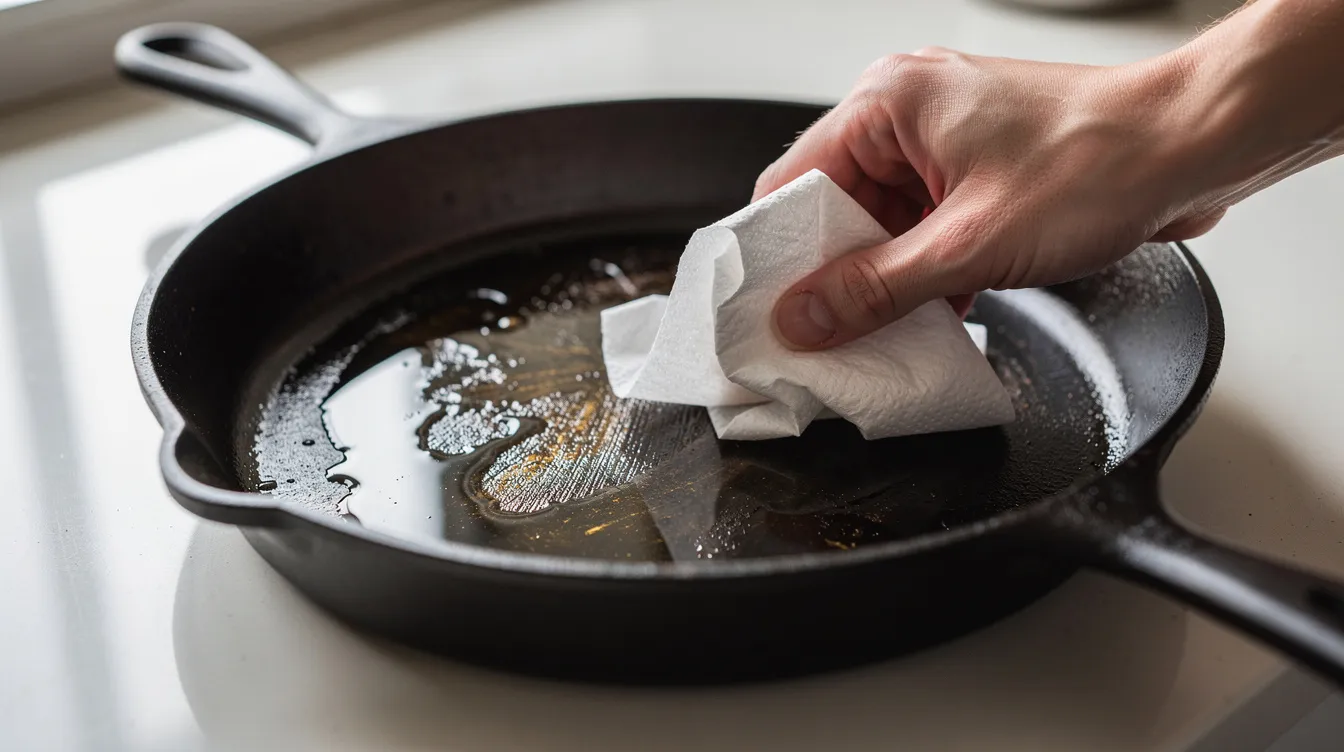
- Wipe greasy pans with a paper towel before rinsing
- Run cold water for 20–30 seconds before and after using the garbage disposal
- Never pour cooking oil or fat directly down the drain
Bathroom Drain Clogs: Hair, Soap Scum, and “Flushable” Wipes
Bathroom drain clogs tend to develop slowly, over weeks or months, as buildup quietly accumulates inside narrow pipes. By the time you notice the water pooling, there’s often a dense mat of debris lodged deep in the line.
Hair and soap scum are the main villains in shower and tub drains. Loose hair from washing and shaving binds with soap scum, conditioner residue, and bath oils to form sticky clumps that cling to pipe walls and catch more debris with every use. Bar soap is especially problematic-its residue creates an adhesive film that traps hair far more effectively than liquid soap.
Thick conditioners and bath oils compound the issue by coating pop-up stoppers and the inside of small drain pipes, reducing flow even without a solid blockage.
Toilet clogs deserve their own warning. So-called “flushable” wipes are one of the worst offenders-they don’t break down in water the way toilet paper does. Paper towels, cotton balls, dental floss, and hygiene products all create stubborn clogs that can back up the toilet and affect other fixtures downstream. The only things that belong in your toilet are human waste and toilet paper.
Older Seattle homes with narrower cast-iron lines from the 1920s through the 1950s are especially sensitive to these items. Those older pipes have rougher interior surfaces that grab and hold debris more aggressively than modern PVC.
Simple prevention goes a long way:
- Clean pop-up stoppers and shower drain covers every week or two
- Install drain strainers to catch hair before it enters the pipe
- Keep a small trash can next to every toilet for wipes and paper products
Clogged Sewer Line vs. Simple Clogged Drain: How to Tell the Difference
There’s a big difference between a single drain that’s running slow and a clogged sewer line that’s threatening to send sewage into your basement. Knowing which one you’re dealing with determines whether you grab a plunger or grab your phone.
A localized clog affects one fixture-one sink, one shower, one toilet. The rest of your plumbing system works fine. This is usually caused by hair, grease, or debris sitting in the drain pipe right below that fixture.
A clogged sewer line affects everything. Here are the clear signs:
- Multiple drains back up at the same time or within minutes of each other
- The lowest-level fixtures back up first-basement shower, floor drain, or first-floor tub
- Sewage or toilet paper appears in the tub or shower after flushing
- Widespread gurgling and sewage smells throughout the home, not just at the kitchen sink or one bathroom
Plungers and small drain snakes usually cannot clear a fully blocked main sewer line because the blockage sits deep in the main line or side sewer-sometimes 50 to 100 feet from the nearest fixture.
In older Seattle neighborhoods like Queen Anne, Ballard, and Ravenna, tree roots are a leading cause of main line clogs. Mature maples, alders, and cedars send root systems that can spread to twice the tree’s height, seeking out moisture in cracked clay pipe joints. Collapsed or offset pipe sections in these aging systems create the same symptoms.
If you suspect a sewer line issue, a professional plumber should evaluate the situation with a sewer camera inspection. The camera locates the damage, identifies whether the problem is roots, a collapse, or heavy buildup, and guides the right repair method.
Safe DIY Fixes for a Single Clogged Drain
Important disclaimer: These methods are for mild, single-drain clogs with no sewage present. If you see sewage, smell raw waste, or notice backup in multiple fixtures, stop immediately and call a pro. Making the situation worse is not worth the risk.
Boiling Water Flush
Boil a full kettle of water. Pour it slowly down the clogged drain in two or three stages, waiting 10–15 seconds between pours. The heat helps dissolve grease and soap buildup. This works best on metal pipes-avoid pouring boiling water directly into PVC pipes, as extreme heat can soften joints. Use very hot water from the tap instead if your pipes are plastic.
Baking Soda and Vinegar
Pour about one cup of baking soda into the drain, followed by one cup of white vinegar. The fizzing reaction helps loosen organic buildup. Plug the drain to keep the pressure created by the reaction inside the pipe. Wait 20–30 minutes, then flush with hot water. This method won’t dissolve a tough clog, but it works well for mild slowdowns and odors.
Plunger Technique
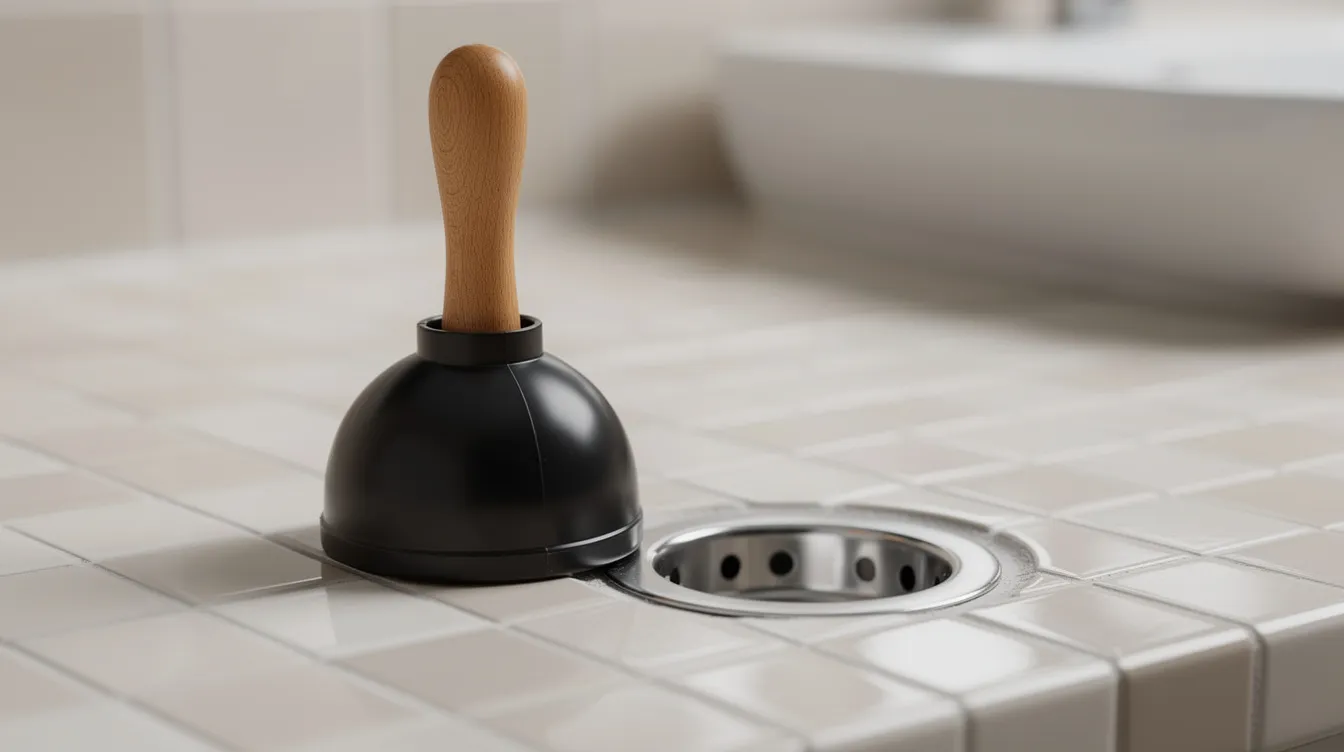
Use a flat-bottom cup plunger (not a flange plunger, which is for toilets). Fill the sink or tub with enough water to cover the plunger cup. Cover overflow holes with a wet rag to create suction. Plunge with firm, steady vertical strokes for 20–30 seconds. The pressure and suction cycle can dislodge clogs sitting in the trap or just past it, creating enough force to break the blockage free and restore water flow.
Manual Retrieval
Remove the pop-up stopper or drain cover and pull out visible hair and debris with a plastic hair snake or gloved hand. This is the simplest fix for shower drains and bathroom sinks and often solves the problem entirely.
One critical warning: Never mix chemical drain cleaners with baking soda and vinegar, and never combine different chemical products. The fumes can be dangerous, and the harsh chemicals can damage older pipes and make a future repair more complicated.
When and How to Use a Drain Snake or Auger
A drain snake gives you more reach and mechanical force than a plunger, but it needs to be used with care-especially in older plumbing where fragile joints can crack under pressure.
Small hand-crank drain snakes work well for bathroom sinks, tubs, and shower drains. Insert the cable slowly into the drain opening, turning the crank clockwise. When you feel resistance, you’ve reached the clog. Rotate the snake to break apart or hook the blockage, then pull debris back out rather than pushing it deeper into the line. This approach clears hair mats and soap buildup effectively.
Closet augers are designed specifically for toilets. They have a protective sleeve that prevents the metal cable from scratching porcelain. For deeper clogs in branch lines, longer and more rigid snakes are available, but choosing the right size matters-using a cable that’s too large for a small drain pipe risks damage.
Technique and safety tips:
- Wear rubber gloves-what comes out is rarely pleasant
- Protect fixture finishes by feeding the cable gently past chrome or porcelain
- Stop if the snake feels stuck against a hard obstruction that doesn’t give; this may indicate a broken or collapsed pipe
Motorized drain snakes and full-size sewer machines used on main lines are best left to a professional plumber. These powerful tools can injure an inexperienced user and can punch through already weakened pipe walls.
The one-month rule: If you’ve snaked the same drain more than once in a month, recurring issues almost certainly point to root intrusion, heavy scale, or structural pipe problems. Repeated snaking without addressing the cause just buys time-it doesn’t fix anything. Call a plumbing professional to diagnose what’s actually happening.
Risks of Chemical Drain Cleaners and What to Use Instead
Store-bought chemical drain cleaners promise fast results, and it’s tempting to pour one in when you’re staring at a sink that won’t empty. But these products come with real downsides, especially in Seattle’s older homes.
How they damage pipes: Caustic chemical drain cleaners generate heat and corrosive reactions to dissolve clogs. In the process, they can soften PVC joints, eat away at cast-iron and galvanized metal pipes, and deteriorate rubber gaskets and seals. If your home has pre-1960 plumbing-common across much of Seattle-harsh chemicals can accelerate the deterioration that’s already underway in aging pipe systems.
Safety concerns: In a small bathroom with limited ventilation, chemical fumes can cause eye irritation and breathing problems. Skin and eye burns are common if products splash during use. Households with children and pets face additional storage and exposure risks.
The hidden problem: When a chemical cleaner doesn’t fully clear the clog, it sits in a low spot in the pipe, concentrating and continuing to corrode the pipe wall. This can make the problem worse over time, turning a simple blockage into a structural failure.
Better alternatives:
- Mechanical methods: a plunger, a drain snake, or manual debris removal
- Baking soda and vinegar followed by a hot water flush
- Enzyme-based cleaners that break down organic buildup gradually without damaging pipe materials
If you’ve already used a chemical cleaner and the drain is still clogged, tell the plumber before they arrive. They need to take protective measures to avoid chemical burns from residual product sitting in the line.
Preventative Measures to Keep Drains from Clogging
Prevention is always cheaper than an emergency call at 10 p.m. on a Tuesday. A few simple habits can dramatically reduce how often you deal with clogged drains and help prevent clogs before they turn into bigger plumbing problems.
Install drain strainers everywhere. Put mesh strainers in your kitchen sink, shower, and bathroom sinks to catch food particles, hair, and small debris before they enter the plumbing. Clean them after each use. This single step eliminates most fixture-level clogs.
Handle grease properly. Never pour cooking grease, oil, or fat down the sink. Let it cool in the pan, then scrape it into a sealed container or dedicated grease can and toss it in the trash. This one habit prevents the most common kitchen drain clogs in Seattle homes.
Routine maintenance flush. Once a week or every two weeks, flush each drain with hot water for 30 seconds to move buildup along. Once a month, use a baking soda and vinegar treatment-half a cup of each, followed by hot water after 15 minutes-to keep pipes clear and control odors.
Educate everyone in the household. This matters more than people think. Make sure kids, roommates, and tenants all know:
- Only human waste and toilet paper go in the toilet
- No wipes (even “flushable” ones), paper towels, cotton balls, q tips, dental floss, or hygiene products in the toilet
- No food scraps or grease down the kitchen drain
Schedule periodic professional drain cleaning. For older homes or properties with a history of clogs, having a plumbing professional clean your main line and run a quick camera check every one to three years catches problems before they turn into emergencies. It’s a small investment that prevents future problems.
Tree Roots, Aging Pipes, and Seattle’s Clogged Sewer Lines
Seattle’s gorgeous tree canopy is one of the city’s defining features-until those trees start growing into your sewer line. Tree root intrusion is the leading cause of residential sewer backups in Seattle, and the combination of mature trees and old pipes makes it especially common here.
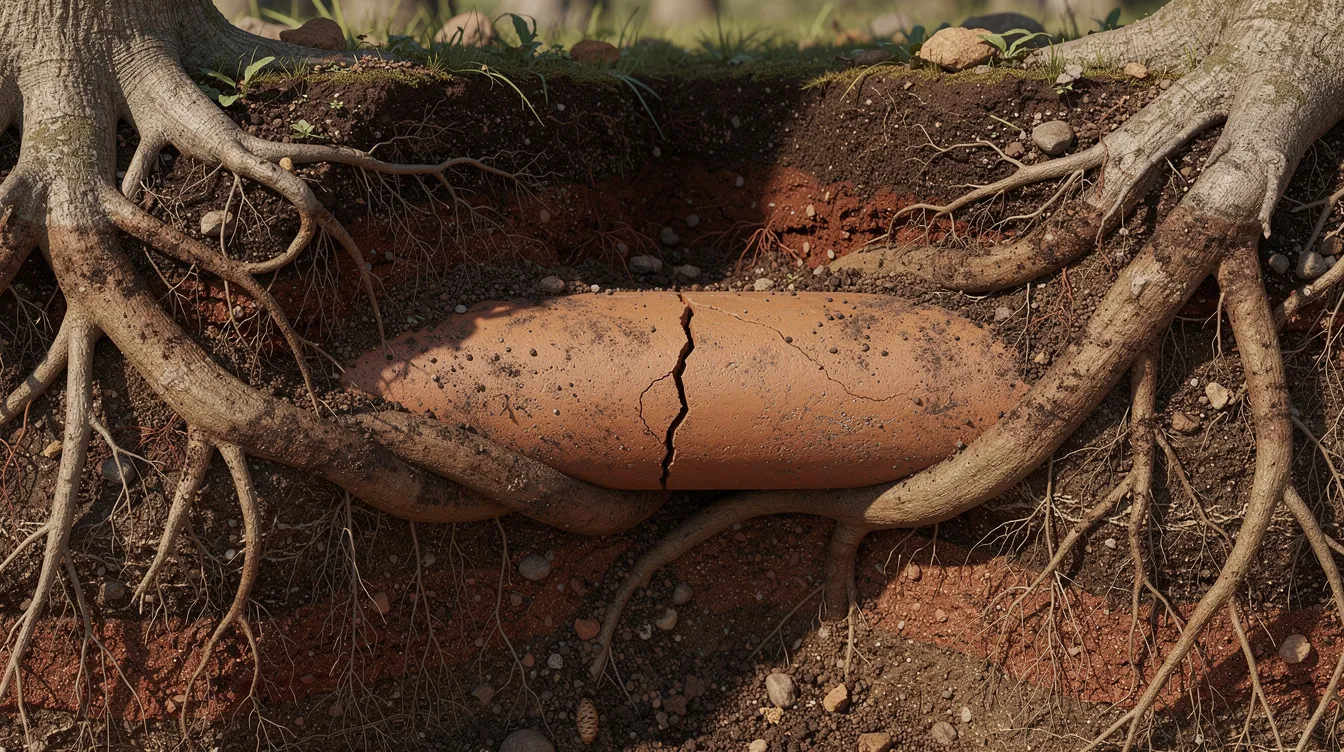
How it happens: Tree roots are relentless moisture seekers. Tiny root hairs find their way into small cracks, loose joints, or gaps in clay or concrete sewer pipes. Once inside, the warm, nutrient-rich environment accelerates growth. Roots expand into dense masses that catch waste, grease, and toilet paper flowing through the line. A tree just 30 feet tall can send roots 60 feet or more from the trunk-easily reaching a side sewer running through your yard.
Signs of root intrusion:
- Slowly worsening clogs that return faster each time
- Frequent need for snaking, with shorter intervals between cleanings
- Seasonal patterns where backups increase during dry summers (roots seek sewer moisture more aggressively) or intense wet periods
Seattle’s infrastructure challenge: Many neighborhoods built before the 1960s-Ballard, Capitol Hill, Wallingford, Queen Anne, Ravenna-still rely on side sewers made of clay tile or aging cast iron. These materials are especially vulnerable to cracks, joint separation, and collapse. Under Seattle Municipal Code, homeowners are responsible for their side sewer from the home all the way to the public main.
Professional solutions for root-related clogs:
- Sewer camera inspections to locate and assess damage
- Mechanical cutting heads that slice through root masses
- High-pressure hydro jetting to scour the pipe clean
- CIPP lining (cured-in-place pipe) to seal joints and prevent regrowth
- Pipe bursting or full replacement for severely damaged lines
One Seattle homeowner’s cleanup costs reached approximately $60,000 after repeated root intrusion caused sewage backups through old clay pipes. Ignoring root problems risks sewage flooding basements and crawlspaces-damage that’s far more expensive than proactive inspection and repair.
Clogged City Sewer, Septic Systems, and Shared Drain Problems
Not every backup starts inside your home. Sometimes the problem is in shared lines, the city main, or a septic system that’s reached capacity.
City sewer main issues: When a public sewer main gets blocked or overwhelmed-common during Seattle’s heaviest rainstorms-it can cause simultaneous backups in multiple homes on the same block. If your neighbors are experiencing the same symptoms at the same time, the problem likely isn’t your side sewer. Document what’s happening, check with adjacent properties, and contact Seattle Public Utilities to report the issue.
Septic system problems: In parts of King County outside the city sewer system, homes rely on a septic tank and drain field. A full septic tank or a saturated drain field can mimic a clogged sewer line-drains slow throughout the house, toilets gurgle, and wet spots may appear in the yard above the drain field. Septic system owners should schedule regular tank pumping and inspections on a two- to three-year cycle.
Shared side sewers: Some Seattle properties-especially older duplexes and adjacent lots-share a single side sewer connecting to the city main. When that shared line clogs, both properties are affected. Under Seattle code, shared sewer responsibility is divided among the connected property owners, which can complicate both repairs and costs.
A licensed plumber can help determine whether the issue is on your private side sewer, in a shared line, or in the city’s responsibility area-an important distinction that affects who pays and what permits are needed.
What to Do the Moment You Notice a Major Backup
When sewage is coming up through floor drains or water is rising in your basement, the situation is urgent. Stay calm, but act fast to minimize damage.
Step 1: Stop all water use immediately. Don’t flush any toilet. Don’t run the shower, dishwasher, or washing machine. Every gallon you send down the drain adds to the backup. This is the single most important thing you can do in the first sixty seconds.
Step 2: Shut off the main water supply if needed. If water continues to rise despite stopping all fixtures-or if you suspect a leak combined with the clog-turn off the main shutoff valve. Know where it is before an emergency happens.
Step 3: Protect your family. Keep children and pets out of affected areas. Raw sewage carries bacteria, viruses, and parasites that pose serious health risks. Do not attempt to clean or move large amounts of waste without protective gloves, boots, and ideally a mask.
Step 4: Move valuables and electronics. Get anything valuable off floors at risk of flooding. Unplug electrical items in affected rooms if you can do so safely without stepping in standing water.
Step 5: Call a professional plumber immediately. Explain the situation clearly: what’s backing up, how many fixtures are affected, whether there’s sewage visible, and whether the problem started suddenly or gradually. This helps the team arrive with the right equipment-main line snake, sewer camera, pump, or all three. Don’t wait to see if it resolves on its own. If left untreated, a major backup causes escalating damage by the hour.
Professional Drain Cleaning and Sewer Repair: What to Expect
When home remedies and store-bought solutions can’t solve the problem, a professional plumber brings diagnostic tools and repair methods that address the toughest clogs and the structural issues behind them.
Initial assessment: A good plumber starts by asking about symptoms-which fixtures are affected, when the problem started, and whether you’ve tried anything already. They’ll inspect fixtures from the lowest level up and may open cleanouts to check for standing water or active sewage flow.
Professional tools and methods:
| Tool | What It Does | Best For |
|---|---|---|
| Motorized drain snake | Feeds heavy cable deep into main lines to cut through roots and debris | Main sewer line clogs, heavy buildup |
| Smaller cable machine | Clears branch lines serving individual fixtures | Kitchen, bathroom, and laundry line blockages |
| Hydro jetting | Uses high-pressure water to scour grease, scale, and roots from pipe walls | Heavy grease accumulation, root masses, stubborn clogs |
| Sewer camera | Records video of pipe interior condition | Diagnosing root intrusion, cracks, offsets, bellies, and collapses |
Camera inspections are the game-changer. After cleaning, a sewer camera reveals conditions you can’t see from the surface-root intrusion points, cracked joints, pipe sags, and structural failures. In Seattle, camera inspections typically cost between $230 and $845 depending on pipe length and condition. The footage also serves as documentation for insurance claims or city permit applications.
Repair options for damaged lines:
- Spot repairs for localized breaks or joint failures
- CIPP lining that seals the pipe interior without excavation
- Pipe bursting that pulls new pipe through while fracturing the old-ideal for steep lots in Queen Anne and Capitol Hill
- Full open-cut replacement for severely collapsed or missing pipe sections
Structural repairs typically run $100 to $170 per foot depending on method, access, and whether public right-of-way is involved. Non-structural cleaning is usually under $1,500.
Investing in proper diagnosis and repair prevents repeated emergencies, protects your foundation, and can increase property value-especially in older Seattle neighborhoods where buyers and inspectors scrutinize sewer condition.
How to Prevent Clogged Drains in Older Seattle Homes and Rentals
Older Seattle properties, duplexes, and rental homes come with decades of accumulated use in their plumbing. Preventative measures in these buildings need to go beyond basic drain strainers.
For landlords and property managers:
- Establish clear written guidelines for tenants on what can and cannot go down drains and toilets-specifically prohibiting wipes, grease disposal in sinks, and non-flushable hygiene products
- Include these rules in lease agreements and post simple reminders near kitchen and bathroom sinks
Schedule routine professional maintenance. For properties with original side sewers dating from the 1920s through the 1970s, Seattle Public Utilities recommends inspection every 8 to 10 years under normal conditions-and every 2 to 3 years if large trees grow near the sewer line. Cleaning and camera inspection on a one- to three-year cycle catches developing problems early.
Retrofit with cleanouts. If your property lacks accessible cleanout points, adding them makes future drain cleaning faster, less invasive, and less expensive. A plumber can install cleanouts at key points along the side sewer, often without major disruption.
Budget proactively. When an inspection report notes cracks, root intrusion, or frequent clog history, start planning financially for sewer line upgrades or replacement. Seattle’s Office of Housing offers financial assistance for qualifying low- to moderate-income homeowners facing side sewer repairs-a resource worth exploring before the situation becomes urgent.
Address drainage and grading. Water pooling near your foundation can infiltrate cracked sewer pipes through the same joints that let roots in. Correcting grading and downspout routing reduces groundwater pressure on vulnerable pipe connections and minimizes both clog and backup risk.

FAQ: Clogged Drains and Sewer Lines in Seattle
These frequently asked questions address common concerns that Seattle homeowners raise but that aren’t always covered in standard drain-care advice.
How do I know if I should call a plumber instead of trying more DIY methods?
Call a professional plumber when multiple drains clog at once, when there’s any sign of sewage, when your DIY attempts have failed more than once, or when clogs return within days or weeks. Unusual events-like your toilet bubbling when you run a sink, or water coming up in the tub when using the washing machine-almost always justify professional evaluation. These patterns indicate a problem deeper in the system that home remedies simply can’t reach.
Are baking soda and vinegar safe for all types of pipes?
Baking soda and vinegar are generally safe for PVC and modern copper or steel pipes when used occasionally. However, they shouldn’t be overused in fragile, already corroded older pipes where any agitation could worsen existing damage. The primary cleaning benefit actually comes from the hot water flush that follows. If you have very old or questionable plumbing, ask a plumber before making any cleaning treatment a regular habit.
Can heavy Seattle rainstorms cause my drains to clog?
Rainwater doesn’t directly clog your indoor drains, but heavy storms can overload aging or partially blocked city sewers and side sewers. When the public system surcharges during major storms, wastewater can back up into basements and lower-level fixtures through your side sewer connection. Installing a backwater valve, scheduling regular sewer inspections, and promptly repairing known defects in your side sewer all reduce the risk of weather-related backups.
Is a slow drain always an emergency?
A single slow drain is usually not an emergency, but it should be addressed promptly before it becomes a full blockage-especially if it worsens suddenly or recurs after clearing. Contrast that with entire-house slowdowns or multiple slow drains at once, which can signal a developing main line problem that deserves urgent attention from a qualified plumber.
How often should I schedule professional drain cleaning in Seattle?
Most newer homes benefit from professional drain cleaning every few years or as needed. Older homes with known root or grease issues typically need annual or biennial service. Base your schedule on your past clog history, the tree coverage on your property, and findings from any prior sewer camera inspections. A proactive approach is always less expensive than responding to emergencies after the damage is done.
Share this post:


