


Plumbing emergencies can strike at any time, causing stress and potential property damage. This guide is designed for homeowners, renters, and property managers who need fast, reliable information on what to do during a plumbing crisis, how to find a trustworthy emergency plumber, and how to prevent future emergencies. Understanding the basics of emergency plumbing can help you act quickly, minimize damage, and make informed decisions when every minute counts.
Key Takeaways
- Emergency plumbing services are available 24 hours a day, 365 days a year, with response times often within 1–3 hours for serious issues like active flooding, sewage backups, or complete loss of water supply.
- Common plumbing emergencies include burst pipes, sewage backups, major leaks, and sudden loss of water supply, all of which require immediate attention to prevent costly property damage.
- In the event of a plumbing emergency, it is crucial to shut off the main water supply to prevent further damage until a professional arrives—then call a same day plumber immediately.
- Emergency plumbers focus first on stabilization—stopping water flow, containing sewage, and protecting electrical systems—before planning permanent repairs for pipes, sewer lines, and fixtures.
- Regular inspections, drain cleaning services, and water heater maintenance help prevent plumbing emergencies and catch small issues before they become disasters.
- This article explains what qualifies as a true emergency, what happens when the plumber arrives, and practical steps to avoid plumbing emergencies in the future.
24/7 Emergency Plumbing Service – What You Get
When a pipe bursts at 2 AM or sewage backs up during a holiday dinner, you need help that doesn’t wait for business hours. Emergency plumbers operate day or night, including weekends and holidays, responding to urgent failures like flooding, sewer backups, and sudden loss of water.
Emergency plumbing services are essential for addressing urgent issues such as burst pipes, sewage backups, and major leaks that can cause significant damage to property. In many cases, emergency plumbing services are available 24/7 to address urgent plumbing issues at any time.
Typical services include:
- Burst pipe and emergency water leak repair
- Sewer line repair and main line clearing
- Emergency drain cleaning for blocked mains
- Emergency water heater repair or replacement
- Overflowing toilet and fixture failures
- Garbage disposal repair when leaks threaten cabinets
An emergency service prioritizes stopping active damage first. The goal is containment—halting leaks, shutting down overflows, and preventing further damage to your property. Detailed diagnosis and long-term repair options come after the immediate threat is under control.
Emergency plumbing services typically aim to respond within a few hours, depending on the location and availability of technicians. Many local plumbing services dispatch technicians via GPS-routed fleets, with arrivals averaging 30–90 minutes in dense urban areas and 1–3 hours in suburban zones.
- Local plumbers understand regional challenges: winter pipe freezing in exposed exterior walls, heavy-rain sewer backups from overwhelmed storm systems, and aging neighborhood sewer lines prone to root intrusion or collapse.
What Counts as a Plumbing Emergency?
An emergency plumbing situation is any problem that risks property damage, sanitation hazards, or total loss of water if not handled immediately. The key factors are uncontrolled water, sewage exposure, and service loss affecting daily life or safety.
Examples that qualify as emergencies:
- Burst supply pipes spraying water into walls, ceilings, or floors
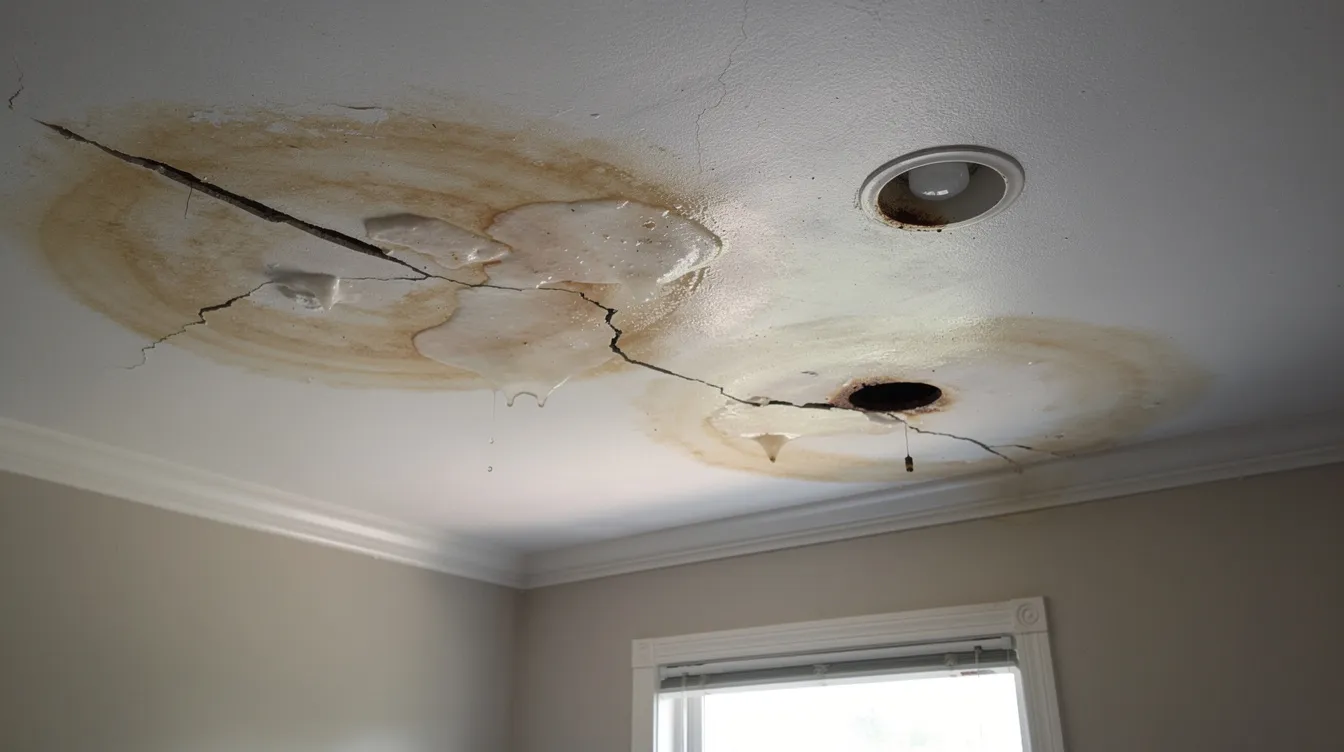
- Visible ceiling leaks with sagging or discolored drywall
- Basement flooding from failed sump pumps or backed-up drains
- Sewage backing up into tubs, showers, or floor drains
- A clogged main sewer line that disables all toilets and drains
Situations requiring urgent attention:
- No water at all in the property, especially during freezing weather when pipes may have burst
- No hot water when it affects vulnerable occupants (infants, elderly) or essential operations
- Multiple slow drains combined with gurgling toilets, which often signals a main line blockage
A single slow-draining sink is usually not an emergency. However, if multiple fixtures drain slowly and you hear gurgling from toilets, you likely have a main line problem that qualifies as a plumbing crisis.
Call immediately if you notice:
- Sewage odors inside the home
- Water leaking near electrical panels or outlets
- Wet, sagging ceilings that may collapse (saturated drywall can hold over 1,000 lbs)
- Any gas leak smell near water heaters or gas lines
What an Emergency Plumber Does When They Arrive
The first priority when an emergency plumber arrives is making the property safe. This means shutting down the water supply, stopping active leaks, and protecting electrical and structural components from water damage.
Initial assessment steps:
- Confirm shutoff locations—checking the main water valve (typically in basements, crawlspaces, or at curb stops 18–24 inches below ground) and individual fixture valves
- Assess visible damage in bathrooms, kitchens, utility rooms, and basements
- Identify the source and scope of the problem
Basic diagnostics include:
- Testing water pressure (normal residential range is 40–80 PSI)
- Checking affected fixtures for visible damage or blockages
- Inspecting accessible drain lines
- Using sewer camera inspection when needed to locate blockages, breaks, or root intrusion in sewer lines
Common emergency tasks:
- Temporary capping of broken pipes using PEX sharkbite fittings (rated for 200 PSI)
- Clearing clogs in main drains using augers or hydro jetting equipment
- Restoring toilet function and stopping overflow
- Relighting or repairing gas or electric water heaters where safe
- Deploying sump pumps or wet-vacs to extract standing water
After stabilization, the emergency plumber provides options and estimates for permanent repair. This might include line repair, partial repiping, full fixture replacement, or trenchless sewer repair depending on the damage discovered.
Types of Emergency Plumbing Problems We Handle
Emergency plumbers address both pressurized water issues and drainage problems across residential plumbing and commercial plumbing systems. Understanding the different categories helps you recognize warning signs and communicate effectively when you call for help.
Burst & Leaking Pipe Emergencies
Burst pipes represent one of the most damaging plumbing problems homeowners face. A 1/2-inch copper line can release 20–30 gallons per minute, meaning an untreated burst pipe can cause $500–$2,000 in water damage per hour.
Typical causes include:
- January freeze-thaw cycles causing split copper pipes in exterior walls (water expands 9% when it freezes, cracking fittings at weak points)
- Galvanized lines failing after 25–40 years from internal corrosion
- Long-term pressure stress on aging joints and fittings
Emergency response process:
- Locate and shut the nearest valve (ball valves provide quick quarter-turn shutoff)
- Drain the plumbing system by opening faucets
- Cut out damaged pipe sections using reciprocating saws
- Install new pipe or fittings—modern PEX is flexible, corrosion-resistant, and rated for freeze conditions
Follow-up work may include opening limited wall or ceiling sections to dry framing and insulation, preventing mold growth that can develop within 24–48 hours of water exposure.
Sewer Backups & Main Line Blockages
Sewer backups typically present as multiple fixtures draining slowly, toilets gurgling when you run water elsewhere, or sewage appearing in tubs, showers, or basement floor drains. These situations create immediate health hazards from E. coli and other pathogens.
Emergency plumbers use several tools for drain service:
- Drain snakes and closet augers for toilet blockages
- 3/4-inch hydro jetting equipment delivering up to 4,000 PSI high pressure water to pulverize roots and grease
- Sewer cameras with 4K resolution to inspect 100+ feet of sewer lines
Common causes of sewer backups:
| Cause | Description |
|---|---|
| Tree root intrusion | Roots penetrate clay pipe joints every 4–10 feet, affecting 15% of urban homes |
| Grease buildup | Cooking grease expands 10x volume when cooling, solidifying in lines |
| “Flushable” wipes | Aggregate into massive blockages—some exceeding 200 lbs |
| Collapsed or bellied pipes | Structural failures in aging sewer lines |
- Sewer camera inspections confirm whether the issue is a simple blockage or structural damage requiring sewer line repair or replacement.
Avoid using all water in the house during a sewer backup to prevent worsening the overflow while waiting for help. Avoid using plumbing fixtures in the affected area to limit further damage until the emergency plumber arrives.
Emergency Water Heater & Fixture Failures
Sudden water heater issues can leave you without hot water or, worse, flood your utility area with 50–100 gallons of water from a ruptured tank. A malfunctioning water heater demands immediate response.
Common water heater emergencies:
- Tank leaks from corrosion or failed pressure relief valves
- No hot water from failed thermostats, elements, or gas valves
- Popping T&P (temperature and pressure) safety valves indicating dangerous thermal expansion
- Gas leaks requiring evacuation until certified technicians address the issue
Emergency plumbers may shut down fuel and water, drain the tank if it’s leaking, and either repair components or plan same-day water heater installation where possible. Both gas and electric units require specific expertise—gas units risk CO leaks if not properly serviced.
Other urgent fixture problems include:
- Toilets that won’t stop running and overflow onto bathroom floors
- Broken faucet cartridges spraying water leaking across counters and into cabinets
- Garbage disposals that leak under the sink, threatening cabinet bases and flooring
Aging water heaters (10–15 years old) and original builder-grade fixtures are more likely to fail without warning. Consider proactive replacement before emergency calls become necessary.
What You Should Do Before the Plumber Arrives
Stay calm and take quick action while prioritizing safety. The steps you take in the first few minutes can dramatically minimize damage and reduce repair costs.
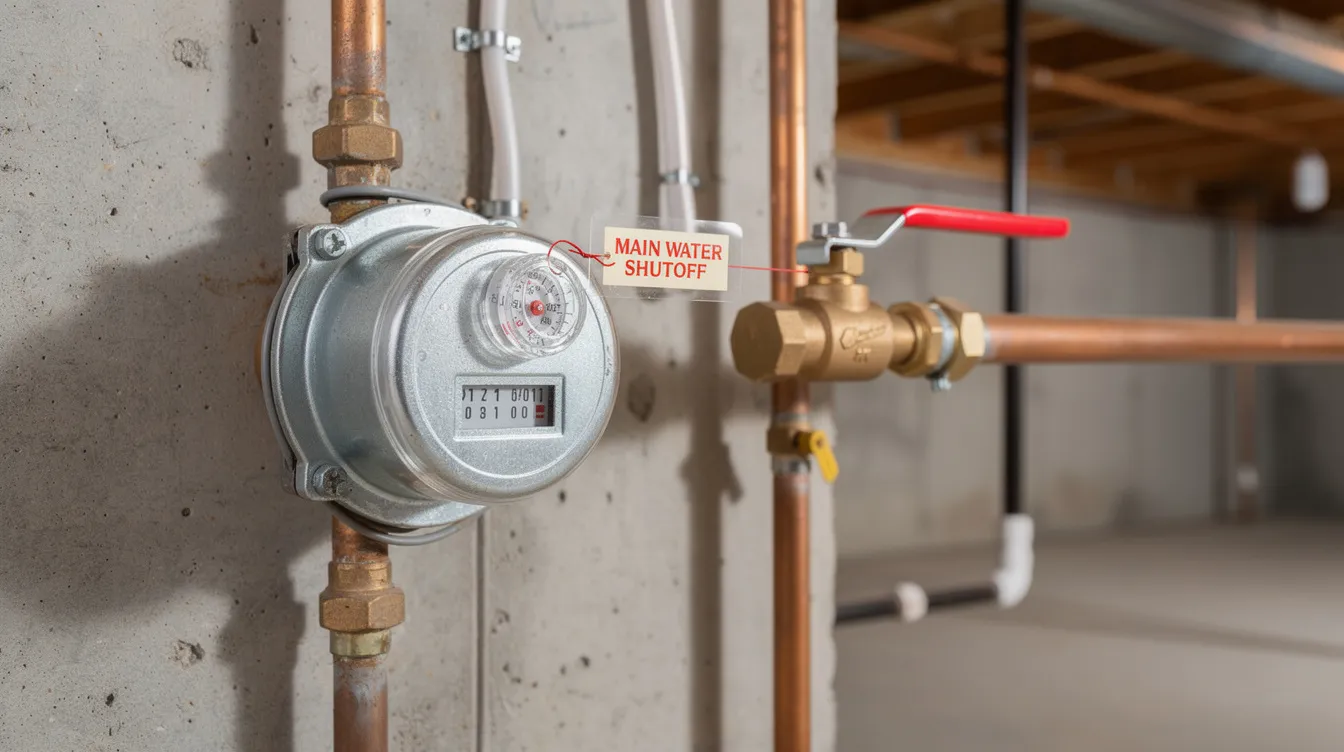
Shut off the main water supply:
Shutting off the main water valve can help prevent further damage if there is a leak or flooding before the plumber arrives. Common locations include:
- Basement utility rooms (most common—80% of homes)
- Crawlspaces near the foundation
- Utility closets or mechanical rooms
- Curb stop boxes near the street (requires a 1 1/4-inch wrench)
If the main shutoff is hard to reach, shut off individual fixture valves:
- Under sinks (angle stops rated 125 PSI)
- Behind toilets
- Near water heaters
Critical safety step: Once the water supply is cut off, the water heater should also be turned off to prevent overheating or dangerous pressure build-up. For gas units, turn the dial to “pilot” or “off.” For electric units, flip the dedicated breaker.
To relieve pressure in the pipes after shutting off the water, open several faucets starting with the lowest one in the home. This drains residual water and reduces pressure throughout the system.
Contain water and protect belongings:
- Using towels or buckets to contain leaks can minimize water damage while waiting for the plumber to arrive
- Use a wet/dry vacuum for standing water
- Move furniture, electronics, and valuables away from the affected area
- Elevate items on blocks or milk crates if you can’t move them
Electrical safety:
Turning off the power at the main electrical panel is crucial if water is near electrical outlets or appliances to prevent electrocution. Never touch water that may be in contact with live electrical sources.
Document everything:
Take timestamped photos and short videos of damage for insurance claims before major cleanup begins. Apps that auto-geotag photos help establish timing and location for insurers.
How to Prevent Plumbing Emergencies at Home
Ignoring plumbing issues, such as small leaks, can lead to larger emergencies, including significant water damage and costly repairs. Many emergencies develop slowly over months or years and can be prevented with simple habits and scheduled maintenance.
Schedule regular inspections:
- Annual or biennial inspections for residential plumbing systems catch 80% of failures early
- Check visible piping, shutoff valves, water heaters, and accessible sewer lines
- Inspect under sinks and behind toilets monthly for early warning signs of leaks
Maintain drains properly:
- Avoid pouring grease, oil, or coffee grounds down sinks
- Install hair catchers on tubs and showers
- Schedule professional drain cleaning if sinks or tubs clog more than once a year
- Chemical drain cleaners can damage pipes and produce hazardous fumes, and should be avoided for clogs—use enzyme treatments instead
Prepare for winter:
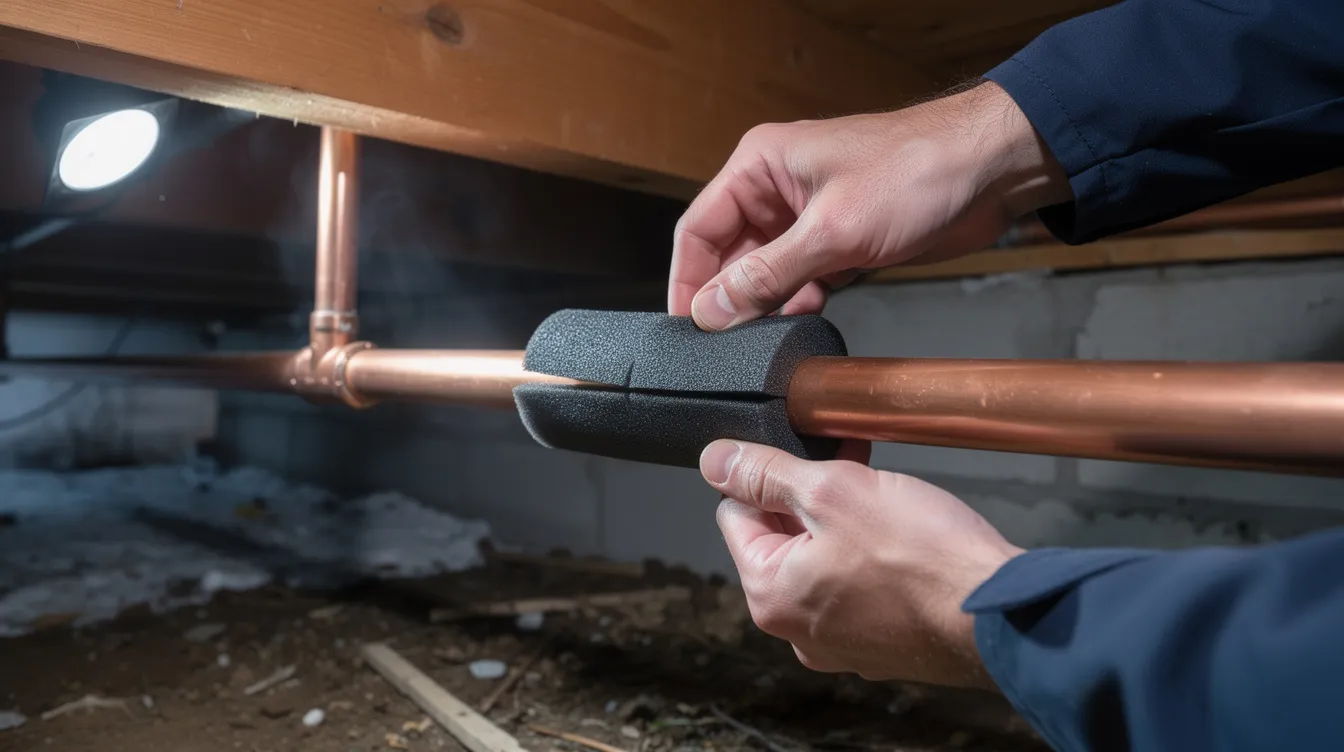
- Insulate pipes in unheated spaces (garages, crawlspaces, exterior walls)—foam sleeves reduce freeze risk by 90%
- Disconnect outdoor hoses by late October
- Install frost-proof hose bibs where possible
Water heater and appliance maintenance:
| Task | Frequency |
|---|---|
| Flush sediment from water heater | Annually |
| Replace washing machine supply hoses | Every 5–7 years |
| Inspect supply lines under sinks | Monthly |
| Test sump pump operation | Seasonally |
| Learn where all key valves are located and label them clearly. Anyone in the household should be able to respond quickly to plumbing needs in an emergency. |
Smart Upgrades That Help Avoid Plumbing Emergencies
Modern devices can significantly reduce your risk of water damage and help you avoid plumbing emergencies:
- Whole-home leak detection systems with automatic shutoff valves (like Flo by Moen) detect abnormal water flow and shut off supply at 1 GPM leaks, potentially preventing $50,000+ in average water damage claims
- Backwater valves prevent reverse flow during sewer backups—mandatory in many flood-prone areas and highly recommended for homes with basement plumbing
- Modern PEX piping offers 10x freeze tolerance compared to rigid copper and eliminates corrosion issues from galvanized lines
- Tankless water heaters eliminate tank failure risks entirely, though they require proper sizing and maintenance
- WaterSense-certified fixtures reduce usage by 30% while providing modern, reliable performance
Replacing corroded galvanized or polybutylene water lines with modern PEX or copper piping serves as a long-term strategy to prevent sudden bursts and emergency plumbing repair situations.
Costs, Estimates, and Insurance for Emergency Plumbing
Emergency plumbing often carries urgency premiums, but a reputable plumbing company will provide clear estimates and communication before major work begins.
Typical cost factors:
Emergency plumbing services often incur additional charges such as after-hours premiums or trip fees, which should be disclosed before work begins. The cost of emergency plumbing repairs can vary significantly based on the severity of the issue, the parts needed, and the time of day the service is requested.
| Service | Typical Cost Range |
|---|---|
| Dispatch/service fee | $150–$350 |
| After-hours markup | 50–100% premium |
| Hourly labor | $150–$250/hour |
| Burst pipe repair | $1,500–$4,000 |
| Sewer line clearing | $500–$5,000 |
| Water heater repair | $200–$1,500 |
| Ask if the plumber charges a flat fee for service calls or an hourly rate for nights, weekends, and holidays. Many emergency plumbing services charge a service or diagnosis fee for emergency visits, which may be applied to repair costs if the customer proceeds with the service. |
Verify credentials before hiring:
- Ensure the plumber is licensed by your state or local regulatory board to verify their legal standing. A plumber’s license ensures they meet professional standards, while insurance protects homeowners from liability.
- Plumbers must carry liability insurance to cover property damage and workers’ compensation to protect homeowners from liability if they are injured on-site.
- A bond acts as extra protection for homeowners if the plumber fails to complete the job or causes damage.
- Use your state’s licensing board website to verify a plumber’s license number or business name.
Finding a reliable urgent plumber:
- Check for ratings from the Better Business Bureau (BBB) and membership in trade organizations like the Plumbing-Heating-Cooling Contractors Association (PHCC).
- Use platforms like Google Reviews or Angie’s List to find consistent positive feedback about a plumber.
- Homeowners should focus on recent reviews from the last 6–12 months to assess a plumber’s reliability.
- Confirm that the plumber offers 24/7 availability to ensure they can dispatch a technician immediately.
Insurance coverage:
Homeowners’ policies typically cover sudden, accidental damage from burst pipes or sewer backups (85% of such claims are paid, averaging $11,000 per incident). However, policies often exclude gradual leaks or damage resulting from lack of maintenance.
Reputable plumbing companies often provide warranties to guarantee that their repairs will last. A reputable plumber will provide a written warranty on both parts and labor to guarantee their work.
Keep invoices, photos, and notes from the emergency plumber to support any insurance claim. Ask for written descriptions of the cause of damage (freezing, root intrusion, corrosion) to strengthen your claim documentation.
Frequently Asked Questions About Emergency Plumbers
How fast can an emergency plumber realistically get to my home?
Response times vary by location and call volume, but many emergency plumbers aim for immediate response and arrival within 1–3 hours for serious issues like active flooding or sewer backups. In dense urban areas with GPS-dispatched fleets, arrivals can be as quick as 30–60 minutes.
Response times for emergency plumbing can vary based on whether the issue is isolated to one household or affects a larger community, such as during a storm. During severe weather events or citywide freezes, travel times extend significantly, and dispatch prioritizes properties with active water damage or sanitation risks. January pipe freeze events can spike emergency calls by 40% or more.
Is every after-hours plumbing issue considered an emergency?
Not all after-hours plumbing problems qualify as true emergencies. Slow drains, minor drips, or a single toilet clog (with other toilets still working) can often wait until normal hours plumbing service without significant risk.
When deciding whether to request immediate assistance or schedule service for the next day, consider three factors:
- Is there uncontrolled water flow causing property damage?
- Is there sewage exposure creating health hazards?
- Have you lost total service (no water, no toilets, no hot water)?
If you answer “no” to all three, you can likely wait for regular-rate service.
Can I do temporary repairs myself to avoid calling an emergency plumber?
Homeowners can safely take basic steps like shutting off the water supply, tightening a loose packing nut on a valve, or placing a bucket under a slow drip. These actions help minimize damage while waiting for professional help.
However, avoid cutting pipes, removing major fixtures, or opening gas or electrical connections. Improper DIY work on supply lines, gas lines, or sewer lines can make eventual pipe fixes more expensive and may void warranties or insurance coverage.
Will the emergency visit completely fix my plumbing system?
Emergency plumbing work is primarily aimed at stabilization—stopping immediate leaks, backups, or safety hazards. Think of it as triage rather than comprehensive plumbing repairs.
Deeper issues like corroded piping, failing sewer lines, or aging water heaters may need later scheduled repairs. Ask your plumber for a clear follow-up plan, including whether additional inspections, repiping, or sewer line repair will be needed to avoid repeat emergencies.
Do I need to leave my home during a plumbing emergency?
Most emergencies can be handled while you remain at home. However, the licensed plumber may ask you to stay out of affected areas for safety, especially if there is standing water near electrical wiring or possible contamination from sewage.
In severe sewer backups or large-scale flooding, families with young children, elderly members, or those with respiratory issues may prefer to stay elsewhere until water cleanup and disinfection are complete. Only about 5% of cases require temporary evacuation—typically those involving significant sewage contamination.
Share this post:


