


Key Takeaways
- In the Bellevue–Seattle area, many cast iron sewer pipes were installed from the 1950s–1970s and are now near the end of their expected service life.
- Most homes with cast iron sewer pipe should schedule a professional camera inspection every 3–5 years once the system is 30+ years old, and every 2–3 years after 50 years.
- Immediate inspection is recommended if you notice slow drains, gurgling noises, foul sewage odors, repeated clogs, foundation cracks, soggy yard patches, or bad odors.
- Large trees near the sewer line, heavy household use, previous recurring problems, or Bellevue clay/fill soil may justify annual inspections.
- Regular inspections, routine maintenance, and careful hydro jetting can delay costly repairs and full sewer replacement.
Introduction: Why Cast Iron Sewer Inspections Matter Now
A cast iron sewer pipe is the older, heavy metal pipe that carries wastewater from a home’s plumbing system to the city sewer or septic system. Many homes in the Washington Bellevue metro built before about 1980 still rely on original cast iron pipes, including cast iron drain lines under slabs, yards, and crawlspaces.
Cast iron is durable, but cast iron sewer pipes commonly develop corrosion, mineral deposits, soap scum, channel rot, internal scaling, cracks, and root infiltration after decades of use. The typical life expectancy of cast iron sewer pipe is anywhere from 50 years to 65 years, with some sources believing it can last up to 75 years or longer; with proper maintenance, cast iron pipes can surpass a lifespan of 100 years. Bellevue’s rain, soil conditions, tree roots, and older sewer system layouts make proactive inspections especially important.
How Often to Inspect Cast Iron Sewer: The Short Answer
If you are wondering how often to inspect cast iron sewer, the practical answer is: inspect every 3–5 years after age 30, every 2–3 years after age 50, and sooner if warning signs appear. Experts suggest inspecting cast iron sewer pipes at least once every five years, or more frequently for older systems.
- 0–25 years: Cast iron is less common in newer homes; pvc pipes and pvc are more likely.
- 25–40 years: Inspect every 3–5 years to detect corrosion, scale buildup, and tree root intrusion.
- 40–60 years: Many professionals recommend inspecting older homes, especially pre-1980s homes over 40 years old, annually or biennially if risk is high.
- 60+ years: Inspect every 1–2 years, or annually if there are recurring clogs, clogged drains, leaks, or major blockages.
These timelines apply to existing cast iron sewer, cast iron plumbing, iron pipes, and drain lines-not newer PVC-only piping system installations. A plumber usually runs a video camera through the entire pipe from the cleanout to the city sewer system, sewer or septic system, septic tanks, or septic systems connection.
Factors That Change How Often You Should Inspect
The right schedule depends on several factors, not just age. Corrosion is the primary reason cast iron sewer pipes deteriorate over time, and corrosion is a primary cause of deterioration in cast iron sewer pipes, often accelerated by hydrogen sulfide gas turning into sulfuric acid.
Bellevue soil matters. Environmental factors such as soil acidity and moisture can accelerate the deterioration of cast iron pipes. Homes on slopes, near streams, or on fill soil may see shifting that affects proper pitch and makes pipe walls more vulnerable. King County has long used soil resistivity, pH, moisture, sulfates, and chlorides when evaluating corrosion risk in buried utilities.
Usage also matters. A large household sends more grease, organic matter, and foreign objects through drains. Homes with heavy cooking, frequent clogs, or slow drains may need more frequent cleaning. If the home is older than 30 years or has a history of slow drains, more frequent inspections-annually or every 18 months-are advised.
Large trees near the sewer line increase inspection frequency because root intrusion can enter joints, especially in older systems, clay pipes, or vitrified clay transitions. Improper installation can lead to early wear and tear of cast iron sewer pipes, and the quality of the cast iron material used can significantly affect the lifespan of the pipes.
Common Signs Your Cast Iron Sewer Needs an Immediate Inspection
Plumbing troubles aren’t fun-we get it. But waiting for the next routine inspection is risky when common signs point to failure.
Schedule a same-season camera inspection if you notice:
- Frequent clogs or slow drains, which can be signs of internal corrosion, rust, or scale buildup in cast iron pipes.
- Gurgling sounds or gurgling noises from toilets and drains, often caused by trapped air near blockages.
- Foul sewage odors, sewer smells, or bad odors near floor drains, crawlspaces, or foundation vents.
- Unexplained wet, sunken, or extra-green yard areas along the sewer line.
- Pest infestations near drain lines, because sewage leaks attract rodents and insects.
- Foundation cracks, slab cracks, mold growth, or mildew smells.
- Frequent leaks, rust, and water discoloration; rust and discoloration in water are indicators that cast iron pipes are deteriorating, and frequent leaks and water discoloration are signs indicating the failure of cast iron pipes.
Signs of deterioration in cast iron sewer pipes include odors, clogs, blockages, leaks, changes in the yard, and pest infestations. Sewage leaks can cause bad smells in your home and encourage the growth of mold and mildew. Blockages in cast iron pipes can lead to slow drainage and sewage backup.
What Happens During a Cast Iron Sewer Inspection?
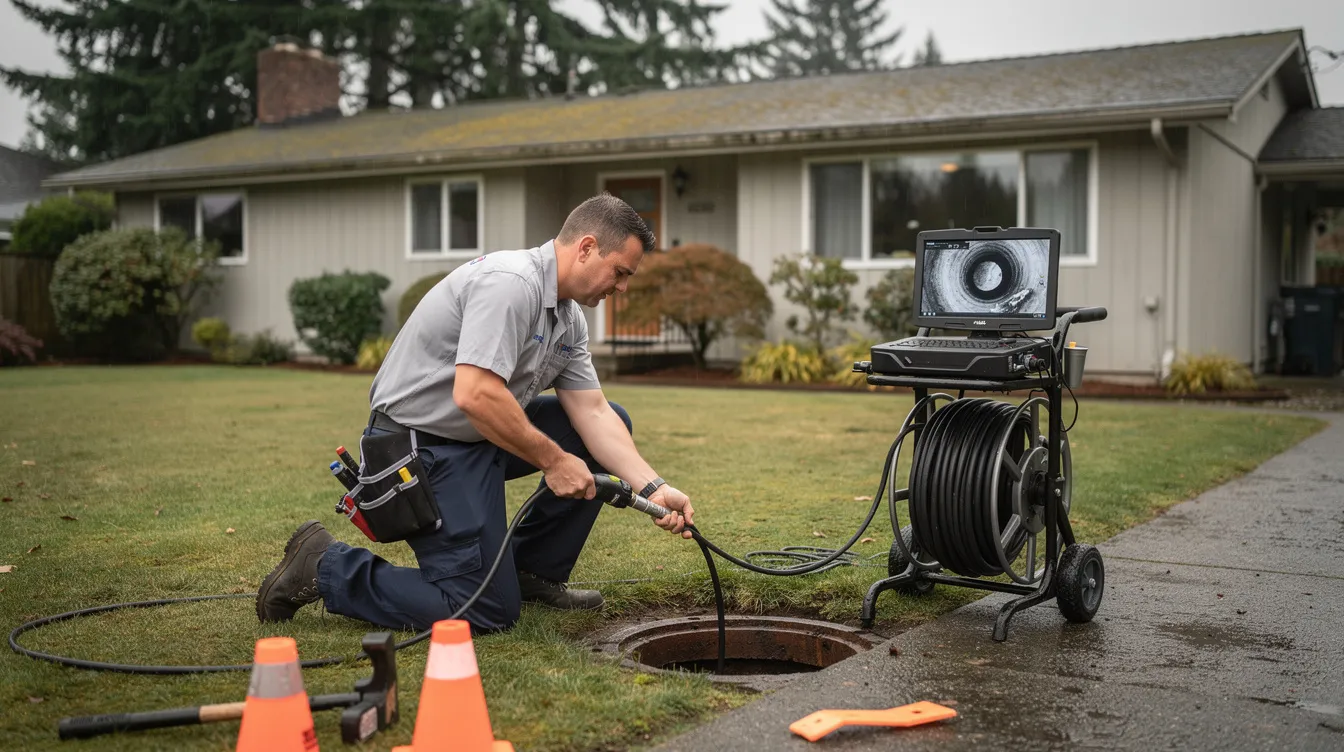
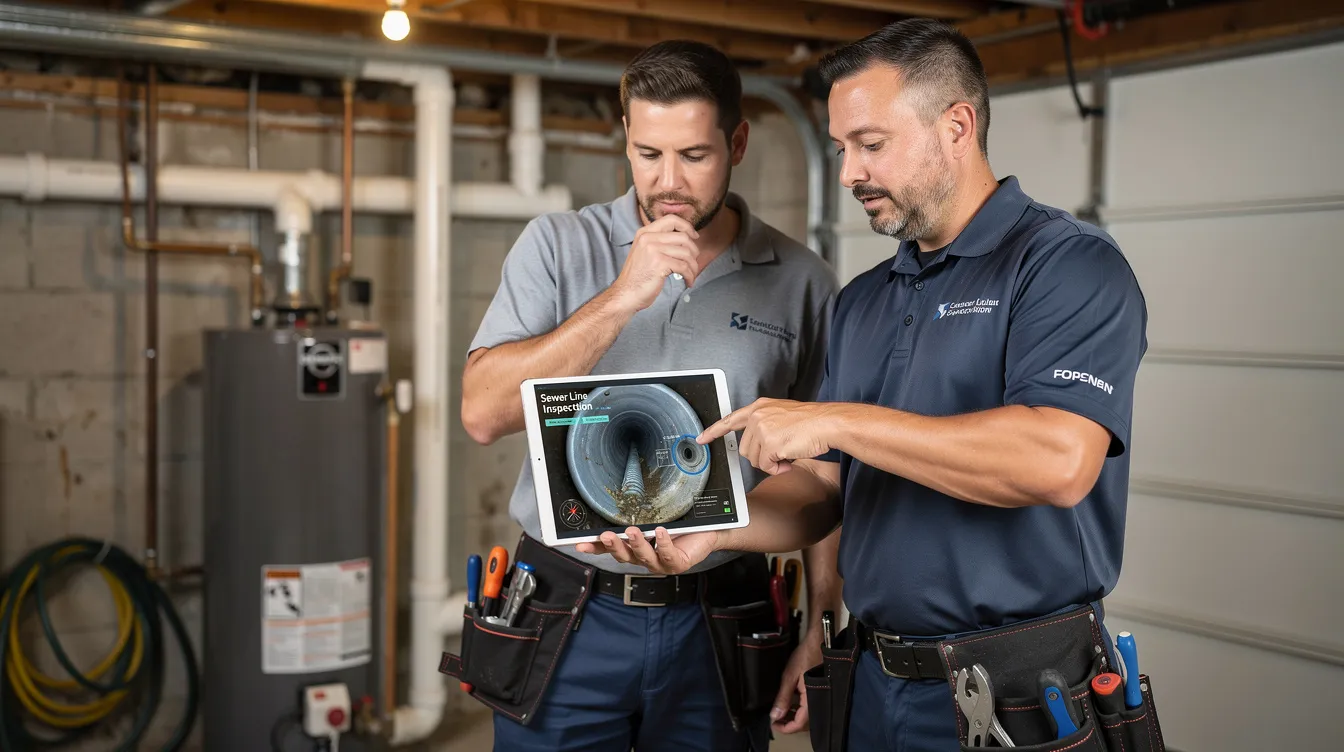
Modern inspections use sewer camera technology, and sometimes flow testing, to evaluate existing pipe without digging. The plumber locates the cleanout, runs a camera through the sewer line, records video, marks problem spots above ground, and reviews the footage with you.
In cast iron sewer pipes, the technician looks for corrosion, internal scaling, channel rot, cracks, fractures, joint separation, root infiltration, mineral deposits, reduced pipe diameter, poor water flow, prior pipe lining, epoxy lining, epoxy coating, or old hub joints sealed with oakum and molten lead. Channel rot and internal scaling can lead to chronic blockages in cast iron sewer pipes.
A good inspection should tell you whether hydro jetting is safe, whether drain snakes are enough, whether trenchless repair is possible, or whether pipe replacement is getting close.
Role of Hydro Jetting in Maintaining Cast Iron Sewer Pipes
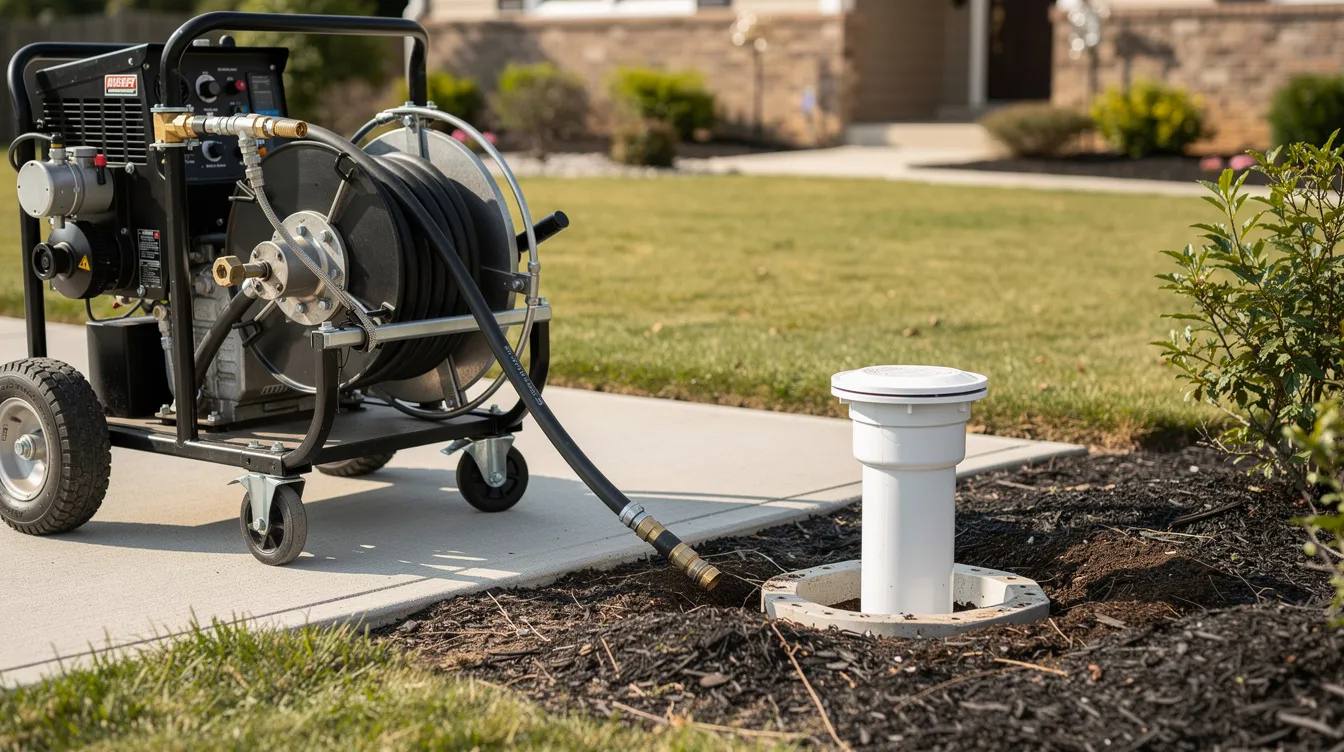
Hydro jetting uses highly pressurized water to clean the interior of sewer pipes and prevent blockages in cast iron pipes. Hydro jetting is an effective method for cleaning cast iron sewer pipes and preventing blockages, but it should follow a camera inspection so the plumber can confirm the existing pipe walls are strong enough.
In Bellevue, a hydro jet clean may be recommended for grease, stubborn blockages, frequent kitchen backups, or roots seen on camera. It is recommended to have your main sewer line cleaned every 18–24 months as preventative maintenance. Hydro jetting should be scheduled every one to two years for most residential sewer systems to prevent clogs; older sewer systems with cast iron pipes may require hydro jetting every six to twelve months due to susceptibility to cracking and root intrusion.
For fragile pipes, gentler snaking or spot repair may be safer. Regular hydro jetting can help maintain older sewer systems made of cast iron and prevent serious issues when the pipe is documented as stable.
Repair, Relining, or Replacement: What Inspections Can Reveal
The value of regular inspections is knowing when simple regular maintenance is enough and when a lasting solution is needed. Regular inspections of cast iron pipes are crucial for identifying potential issues before they escalate into costly repairs, and regular maintenance and inspections can help prevent critical damage to cast iron sewer pipes.
Light scaling, small roots, or minor offsets may only need cleaning and monitoring. Maintaining cast iron sewer pipes involves addressing blockages and buildup to prevent deterioration and extend their lifespan.
Sewer relining, pipe lining, epoxy, or epoxy lining can create a pipe-within-a-pipe when the existing pipe is still structurally sound and water tight. Trenchless sewer repair is a less invasive approach to replacing cast iron pipes, and sewer relining is a less invasive alternative to full replacement that can extend the life of cast iron pipes.
Full pipe replacement is usually better when the entire pipe has major cracking, repeated sewage leaks, severe channeling, or collapse risk. Replacing cast iron pipes with PVC can be a cost-effective solution for homeowners, and PVC piping is a favored choice over traditional cast iron due to its lighter weight and smooth interior. In Bellevue, many homeowners end up with a hybrid: partial pipe replacement with PVC plus maintained or relined cast iron.
Local Considerations for Bellevue & Greater Seattle Homes
Bellevue neighborhoods such as Lake Hills, Eastgate, and Newport Hills include many 1960s–1970s homes with original cast iron sewer lines now 50–60+ years old. Frequent rainfall, high groundwater, clay-heavy areas, and fill soils can speed external corrosion and movement around buried pipes.
Evergreens, maples, and willows are beautiful, but their roots follow moisture. If those trees are near the sewer line, increase inspection frequency. Local permit rules, main depth, and access can also affect whether trenchless repair, traditional pipe replacement, or excavation makes sense.
Practical Maintenance Tips Between Inspections
Good habits reduce stress on your plumbing system between professional inspections. Avoid pouring grease or fats into kitchen drains, flushing wipes, using harsh chemicals, or planting new trees over the route.
Use gentle cleaning before major blockages develop. Keep records of every inspection, hydro jet clean, repair, and recommendation. Ask for video files so you can compare whether cast iron plumbing is staying in optimal condition or getting worse. Homeowners should be proactive in scheduling inspections to identify issues with cast iron sewer pipes early.
Professional video camera inspections typically cost between $100 and $500, though Bellevue access, length, and reporting can raise the price. Ask whether locating, video, and a written summary are included.
FAQ
How do I know if my home even has cast iron sewer pipes?
Homes built before about 1980 in the Bellevue–Seattle region are likely candidates for cast iron sewer. Look for dark, heavy, metallic pipe in basements, crawlspaces, or cleanouts, check records, or ask a plumber. A camera inspection confirms both pipe materials and condition.
Is epoxy relining a good alternative to replacing cast iron sewer pipes?
Yes, sometimes. Epoxy relining can work when the existing pipe still has enough structure and outside soil is stable. It slightly reduces the inner diameter, but usually not enough to affect 3–4 inch residential lines. Always compare relining versus full replacement using camera evidence.
Can I skip inspections if my drains seem to be working fine?
We wouldn’t recommend it for older cast iron. Cast iron can thin from the inside before backups appear. Routine inspections of cast iron sewer systems are recommended every 1 to 3 years to proactively prevent issues, and the frequency of inspections may need to increase for older sewer systems made of cast iron.
Will hydro jetting damage my old cast iron sewer pipe?
Properly performed hydro jetting at the right pressure is typically safe, but cracked or severely corroded pipe can be at risk. Using professional services for hydro jetting and inspections can help ensure the longevity of cast iron sewer pipes.
How much does a cast iron sewer inspection usually cost in the Bellevue area?
A stand-alone camera inspection often falls around $100–$500, with complex Bellevue sewer routes costing more. Some companies apply that fee toward cleaning or repair. Ask what is included before scheduling.
Share this post:


