


Understanding Getting Pipes Cleaned
This comprehensive guide covers everything you need to know about keeping your pipes clean, including both DIY and professional pipe cleaning methods, as well as essential maintenance tips. Whether you are a homeowner, property manager, or business owner, understanding how to maintain your plumbing system is crucial. Clean pipes help prevent clogs, protect water quality, and save money on costly repairs by reducing the risk of leaks, corrosion, and water damage. By following the advice in this guide, you can ensure your plumbing system remains efficient, reliable, and free from unpleasant surprises.
Key Takeaways
- Keeping pipes cleaned helps prevent clogs, protect water quality, and extend pipe lifespan by removing buildup that can cause corrosion or cracks over time.
- Homeowners can use safe DIY options like baking soda, vinegar, hot water, and a wire brush for light maintenance.
- Professional pipe cleaning services use mechanical cleaning, camera inspection, and hydro jetting for stubborn clogs, sewer lines, and older systems.
- Routine maintenance every 1–2 years helps reduce slow drainage, recurring clogs, emergency plumbing calls, and costly repairs.
- Clean pipes support an efficient plumbing system, steady water flow, and fewer surprises in homes, businesses, and industrial buildings.
Why Pipe Cleaning Matters in 2026
Plumbing troubles aren’t fun-we get it. Modern homes and businesses rely on free-flowing drain lines and water pipes every day, from the kitchen sink to showers, toilets, faucets, and the main sewer connection.
Over time, hair, grease, food, soap, mineral deposits, and other debris cling to pipe walls. Slow drains can indicate a buildup of debris or clogs in the pipes, and restoring water flow by clearing blockages ensures wastewater leaves the home rapidly. In hard-water cities like Phoenix, Las Vegas, and San Diego, mineral buildup and scale are common reasons to schedule regular drain cleaning; the USGS notes that hard water leaves lime scale inside plumbing.
Dirty pipes can also affect the water supply. Discolored water, such as brown or rusty hues, can indicate corrosion or sediment buildup in the pipes. Preventing catastrophic clogs and leaks can save money on emergency plumbing repairs and property damage.
Common Signs Your Pipes Need to Be Cleaned
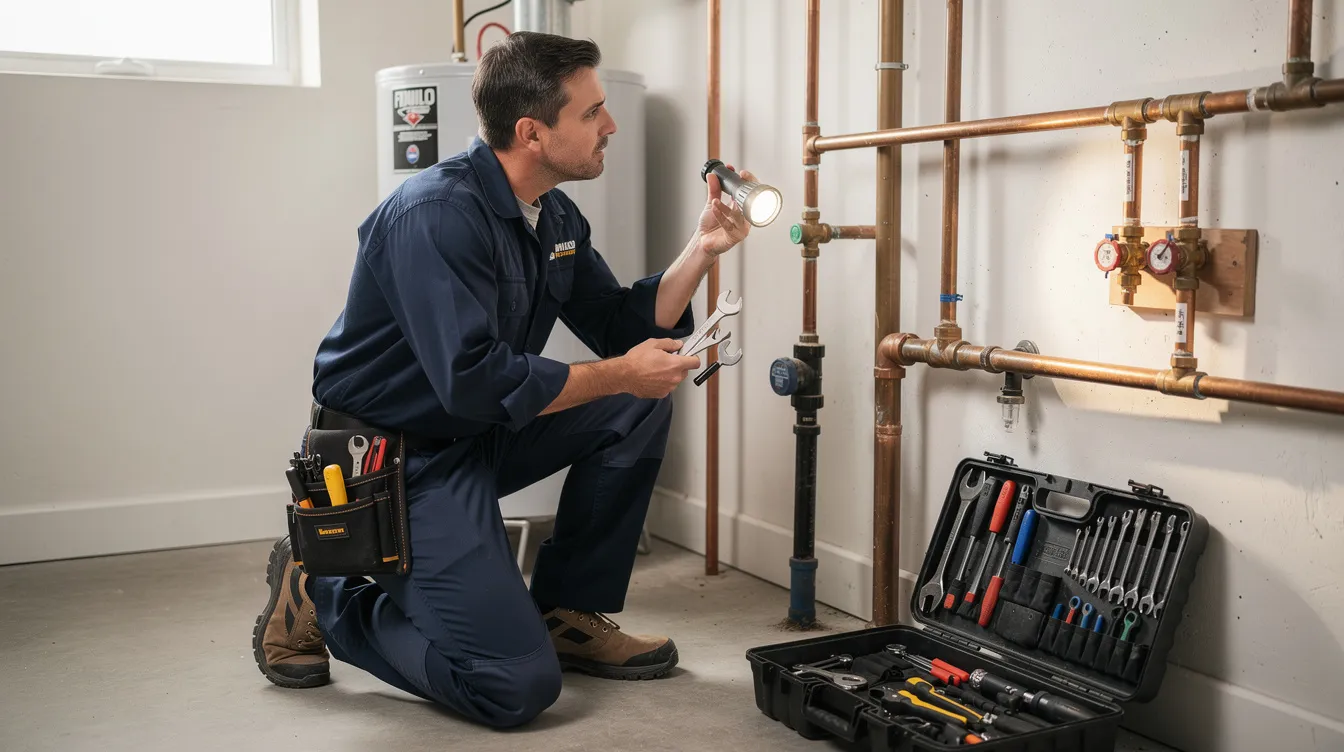
Your plumbing system usually gives warnings before a major backup. Watch for slow-draining sinks and tubs, water pooling near a shower drain, multiple backups, and strange sounds.
Gurgling sounds from drains may suggest that air is trapped in the pipes due to blockages. Foul odors emanating from drains can be a sign of bacterial growth or decaying matter within the pipes, while foul smells near floor drains, basement areas, or a sink may point to dirty sewer lines. Clearing lodged food, grease, and bacteria eliminates foul-smelling gases from plumbing systems.
Also look for reduced pressure at multiple fixtures, cloudy water, rusty flakes, or frequent plunging. Regular maintenance of plumbing systems can prevent issues such as reduced water pressure, discolored water, and unpleasant odors, which indicate the need for cleaning.
DIY Drain and Pipe Cleaning at Home
Minor clogs and preventive maintenance can often be handled safely before calling a plumber. Start with low-risk tools and avoid mixing harsh chemicals. Wear gloves and goggles, and keep a bucket nearby for trap cleaning.
DIY is best for accessible pipes in the kitchen, bathroom, or laundry-not deep sewer lines. If flow does not improve, stop and schedule professional pipe cleaning services to protect the system.
Baking Soda and Vinegar Method
A common DIY method for cleaning plumbing pipes involves using a mixture of baking soda and vinegar, which can help to dislodge buildup and odors.
Step-by-Step: Baking Soda and Vinegar Pipe Cleaning
- Pour boiling water into the drain to melt soap scum and thin layers of grease.
- Add half a cup of baking soda.
- Mix one cup of vinegar with one cup of hot water, then pour it in.
- Cover the drain and let it sit for about 10 minutes.
- Flush with more boiling water.
For extra deodorizing, a few tablespoons of baking soda can also sit in the drain before a rinse. This is maintenance, not a fix for severe blockages.
Wire Brush and Simple Tools
A long wire brush can scrub removable traps, shower openings, and tub drains. Remove visible hair and debris, then run hot water for several minutes to flush loosened material.
A hand snake or auger can break up soft clogs near the fixture. Mechanical cleaning methods, such as using a plumbing snake or auger, can effectively remove stubborn clogs by breaking through debris and buildup in the pipes. Do not force mechanical tools into old pipes, and avoid using a pipe wrench unless you know how to loosen fittings without cracking them.
Using Store-Bought Drain Cleaners Safely
Enzyme-based cleaners can digest hair, grease, and scum without corroding pipes. They are usually safer for routine maintenance than caustic or acid-based products.
Follow the label, ventilate the room, and keep every cleaning solution away from children and pets. Caustic chemical drain cleaners can damage pipe joints and metal over time when overused, especially in copper or galvanized lines. Never combine products, and do not use chemicals right before professional drain cleaning.
Professional Pipe Cleaning Services and Methods
Professional pipe cleaning services use advanced tools and techniques, such as hydro jetting and mechanical cleaning, to ensure effective removal of debris and buildup. Crews can clean branch drains inside the home, exterior runs, and main sewer lines.
A reputable provider often starts with inspection, sometimes using a camera inspection to locate roots, cracks, corrosion, or heavy scale. Professional teams also protect fixtures, minimize flooding risk, and dispose of debris properly. After thorough cleaning, a report can help plan future maintenance or repairs.
Mechanical Cleaning (Snaking and Descaling)
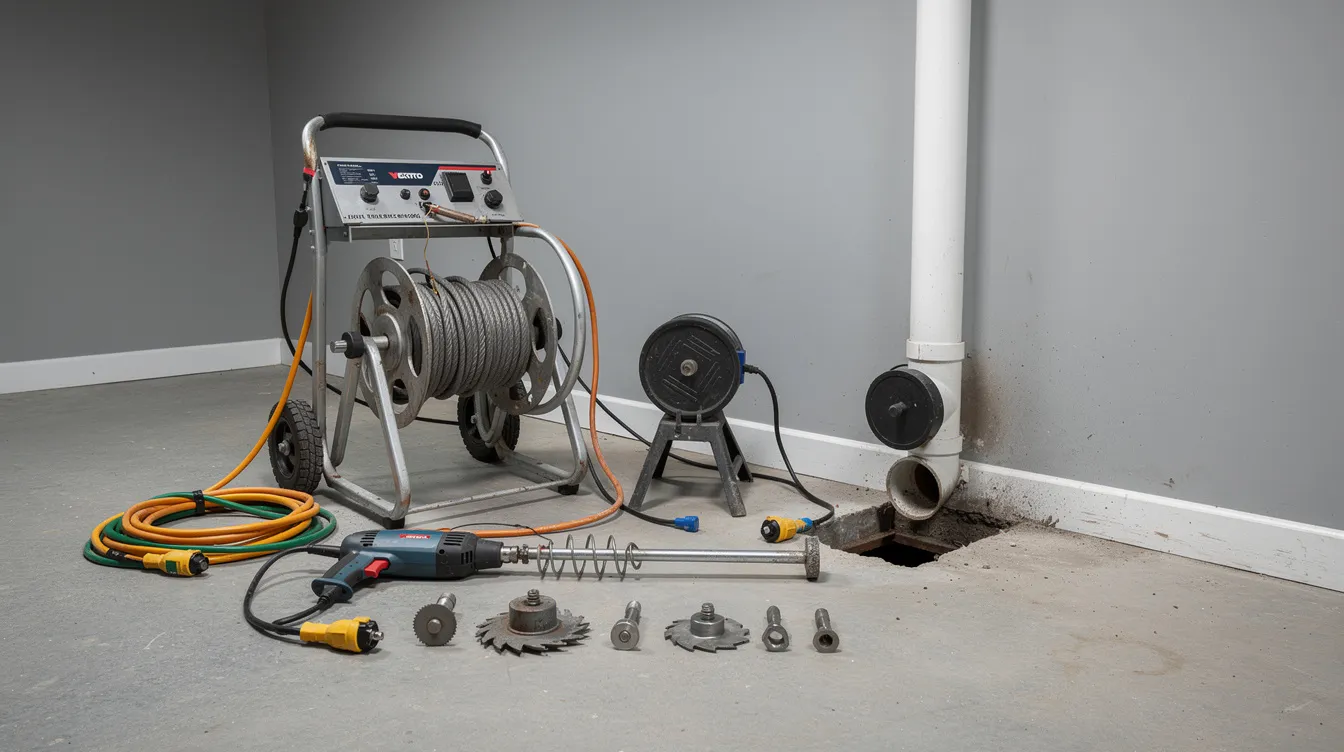
Mechanical cleaning uses powered cables, rotating heads, and other mechanical tools to cut through blockages. In older cast iron lines, technicians may descale with rotating brushes to remove hardened material without taking away too much pipe.
This method is useful in older systems where high-pressure water could stress weak joints. A trained plumber adjusts the tool size and speed for PVC, clay, cast iron, copper, and other materials, then flushes the line to verify restored flow.
Hydro Jetting for Deep, Stubborn Blockages
Hydro jetting uses high-pressure water jets, often between 2,000 and 4,000 PSI, to scour the inside of pipes clean. Hydro jetting is an effective pipe cleaning method that uses high-pressure water to remove grease, debris, and mineral buildup from pipes without the use of harsh chemicals.
The nozzle moves through a drain or cleanout, blasting sludge, small roots, and residue from pipe walls. It works well for restaurant grease lines, busy residential sewer lines, long commercial runs, and industrial buildings. Fragile or very old pipes should be inspected first so pre-existing cracks are not made worse.
Cleaning and Flushing Water Pipes and Water Supply Lines
Water supply pipes need different care than wastewater lines. Scale, sediment buildup, and corrosion can collect inside water pipes, especially with hard water or older galvanized lines.
Whole-house flushing may involve shutting off the main valve, draining the system, then refilling and flushing each fixture. Some professionals use food-grade descaling agents to improve taste, clarity, and flow. A water softener or filtration system can help keep water quality higher after cleaning.
Safe Home Flushing Steps
Step-by-Step: Safe Home Flushing
- Turn off the main water supply.
- Open all faucets and hose bibs so the system can drain.
- Fill a bucket if needed to catch water from low fixtures.
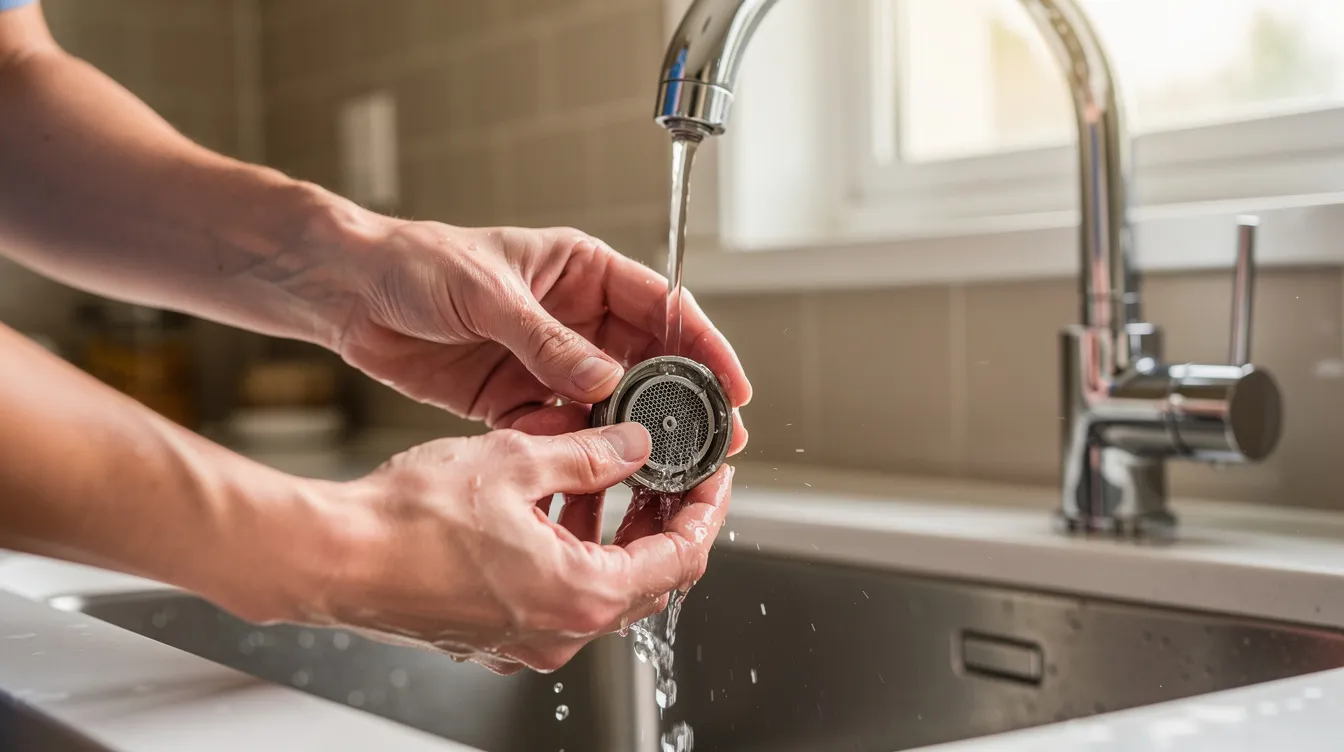
- Remove aerators and showerheads.
- Soak them in a vinegar and water solution, then use a small brush to scrub and rinse.
- Reopen the main valve and flush each tap until water runs clear.
Learning to clean faucet aerators helps maintain pressure. If water remains metallic, cloudy, or rusty after a thorough flush, schedule a professional inspection of the water pipes.
Preventive Maintenance to Keep Pipes Clean
The cheapest pipe cleaning is prevention. Maintaining clear plumbing pipes relies on a combination of daily habits, safe at-home treatments, and professional servicing.
Use strainers in the kitchen sink, bathroom sinks, tubs, and showers to catch hair and food particles. Do not pour fats, oils, grease, coffee grounds, paint, or construction debris into any household drain. Monthly hot water flushes and occasional baking soda treatments help prevent clogs and odors.
Routine maintenance and cleaning of pipes are recommended every 1–2 years to prevent issues such as slow drains and recurring clogs. Regular maintenance can prevent costly bursts, water damage, and severe backups in plumbing systems, helping you save money and keep a healthy plumbing system.
When to Call Professional Pipe Cleaning Services
Some problems are too persistent or risky for DIY. Call for services if you have repeated clogs in the same drain, sewage backing into tubs or floor drains, multiple fixtures clogged at once, or backups after heavy rain.
Tree roots, heavy scale, old pipes, and main sewer issues usually require professional tools. Consulting a licensed professional is recommended for severe plumbing issues to avoid damage to the system. Choose licensed, insured providers who document pipe condition before and after service.
FAQ
These quick answers cover common timing, safety, and cost questions homeowners ask about pipe cleaning.
How often should I have my pipes professionally cleaned?
Most residential drain systems benefit from professional cleaning every 1–2 years. Restaurants, multi-family properties, and high-use buildings may need service every 6–12 months, especially where grease or heavy use is common.
Is hydro jetting safe for old or fragile pipes?
Hydro jetting is generally safe when trained technicians inspect the line first. Severely cracked, brittle, or corroded pipes may need mechanical cleaning, repair, relining, or replacement instead.
Can I use baking soda and vinegar instead of hiring a professional?
Yes, for light odor control and minor buildup. Baking soda and vinegar will not remove deep roots, thick scale, or heavy grease in a main sewer line.
Will mechanical cleaning or snaking damage my pipes?
When done correctly, mechanical cleaning should not damage pipes. Risk increases when oversized cables are forced into fragile lines, so leave heavy equipment to professionals.
What should I do before a professional pipe cleaning appointment?
Clear access to drains, clean around floor drains, move stored items near cleanouts, and write down symptoms. Avoid using chemical cleaners right before the appointment for safety.
Share this post:


