


Key Takeaways
- Professional plumbing services protect homes from water damage—which affects over 1.2 million U.S. homes annually—and save money long term through preventive repairs that extend system life. Most nearby locations now offer 24/7 emergency availability, with many plumbing services available around the clock to handle emergency situations, ensuring that help is accessible at any time, including nights and weekends.
- Common repairs like faucet repair, clogged drains, and garbage disposals can often be fixed the same day by a licensed technician, with typical service calls lasting 30–90 minutes depending on complexity.
- Choosing insured, background-checked home service pros for both plumbing and electrical services reduces liability risks by up to 70%, according to industry analysis. A plumber who offers a warranty or guarantee is more likely to cover the cost of repairs if the job is not done correctly, providing added peace of mind.
- Regular inspections of pipes, valves, and water heaters in 2026 can prevent 85% of major emergencies and costly insurance claims—annual pipe scans cost $300–$500 but avert claims averaging $10,000.
- Below, you’ll find practical checklists, realistic cost ranges, and clear guidance on when to call a pro versus handling repairs yourself.
Introduction to Plumbing and Home Repairs
Modern homes depend on plumbing systems that deliver 50–100 gallons of clean water per person daily while safely managing wastewater. When these systems fail, the consequences escalate fast. Water damage costs U.S. homeowners $15 billion yearly according to FEMA data, and mold growth can start within 24–48 hours of an unchecked leak. It is essential to address plumbing emergencies promptly to avoid more severe and costly damage to your home or business.
What homeowners face in 2026: If you live in Austin, you’re dealing with limestone-induced hard water (15+ grains per gallon) that corrodes pipes twice as fast as average. Dallas homeowners in pre-1980 houses often encounter failing cast-iron sewer lines. Denver’s high altitude stresses water heaters differently than sea-level cities, and Chicago’s freeze-thaw cycles burst approximately 10% of uninsulated pipes each winter.
This article focuses on practical, real-world plumbing repairs—from fixing leaky faucets to replacing aging water heaters. You’ll learn how to choose a reliable service in your nearby location and understand when plumbing and electrical services need to work together for modern installations.
Common Plumbing Repairs Every Homeowner Encounters
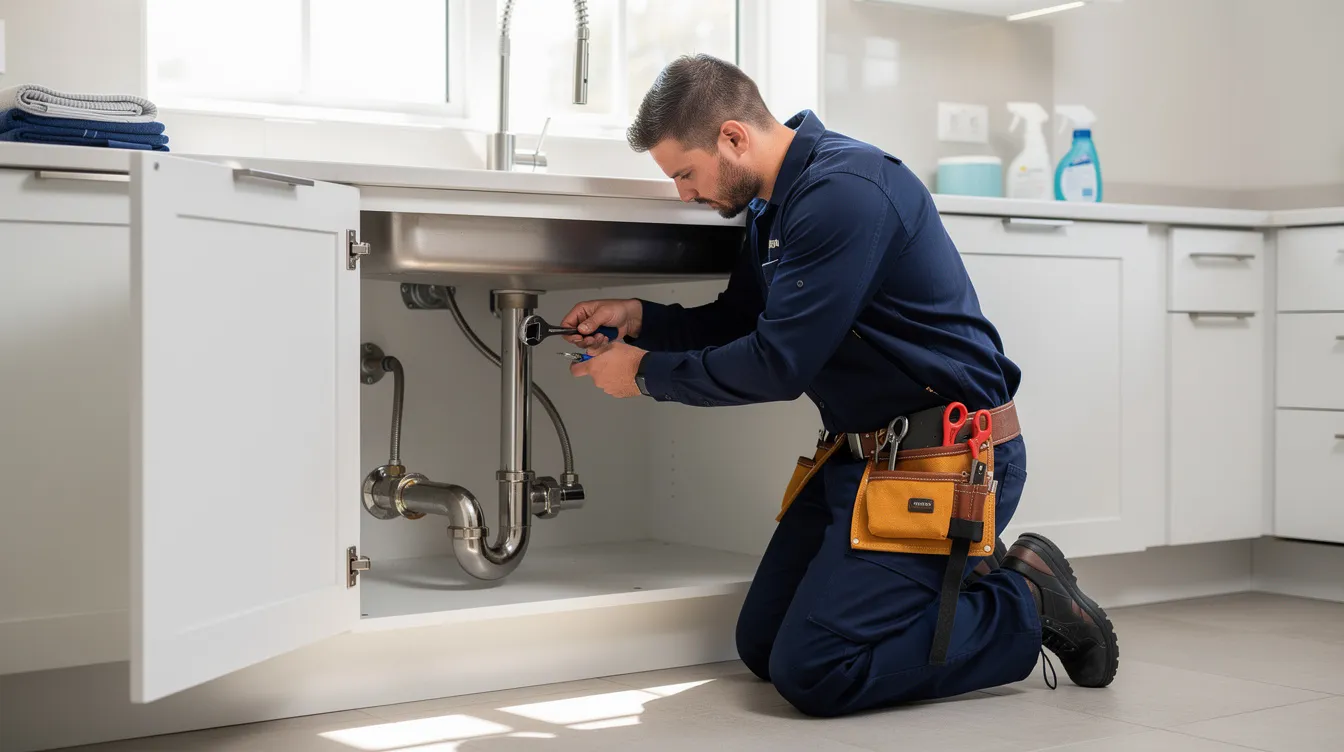
Most service calls between 2024–2026 fall into predictable categories: 60% involve leaks and clogs, 20% fixture failures, and 20% appliance issues. Common plumbing issues include clogged drains, leaky faucets, running toilets, and low water pressure. Understanding these patterns helps you diagnose problems faster and communicate clearly with your plumber.
Dripping faucets waste up to 10,000 gallons of water per year per household according to the EPA. Leaky faucets are usually caused by worn-out washers, O-rings, or cartridges—cartridges typically fail within 2–5 years due to mineral buildup. Faucet repair usually takes 30–90 minutes, with costs ranging from $150–$350 depending on faucet type and accessibility.
Toilet problems account for roughly 25% of calls. Running toilets are typically due to a faulty flapper valve, fill valve, or float arm, losing up to 200 gallons per day. Weak flushes often stem from clogged jets or low tank fill levels. Wax ring failures (which occur every 20–30 years) cause the toilet to rock—replacement at $300 is typically cheaper than repair attempts that risk flange damage.
Sink and tub issues commonly involve slow drains from hair and soap scum buildup. Clogged drains are often caused by hair, grease, or food buildup, and professional drain cleaning with a 25-foot snake runs approximately $200. Cracked porcelain basins develop leaks through porous surfaces and require full replacement at $400–$800.
Garbage disposals have 12–15 year lifespans but jam frequently on fibrous waste. Tripped reset buttons indicate thermal overload, while leaks from failed sink flanges often mean you need a new unit ($250–$500) rather than repeated repairs.
Water heater troubles present as no hot water, fluctuating temperatures, or tank leaks. Standard tank models (40–50 gallons) last 8–12 years; tankless units can exceed 20 years. No hot water often results from a tripped high-limit switch—sediment buildup insulates the heating element, raising temperatures 20–50°F beyond normal. Tank leaks typically indicate anode rod depletion.
Persistent clogs may indicate deeper plumbing issues that require professional evaluation. A quick plunge for a minor clog is safe DIY territory, but stop and call a licensed plumber if you encounter multiple slow drains, sewage odors, or water pressure affecting the whole house.
Types of Professional Plumbing Services Available
Not all plumbers offer the same services. Matching your problem to the right type of expert saves time and prevents misdiagnoses. Plumbing services encompass a wide range of tasks including leak detection, drain cleaning, pipe insulation, and fixture repair or replacement.
General residential plumbing covers leak detection via acoustic sensors (capable of detecting 1 gallon per hour at 50 feet) or thermal imaging ($250–$500), pipe repair using epoxy lining that extends pipe life 50 years without excavation, fixture installation ($300–$800), and maintenance plans for single-family homes and condos.
Emergency plumbing service provides 24/7 availability with response windows typically between 60–120 minutes in metro areas. Emergency plumbing issues can include problems such as burst pipes, severe leaks, and clogged drains that require immediate attention to prevent further damage. Companies like Roto-Rooter guarantee 90-minute response times in urban zones through GPS-dispatched fleets.
Kitchen-focused services include:
- Dishwasher hookups with proper air gaps to prevent backflow
- Ice-maker line installation (1/4-inch copper, approximately $150)
- Garbage disposal installation and replacement
- Modern pull-down faucet installation
Bathroom services address shower valve replacement (pressure-balance valves prevent scalding per ASSE 1016 standards), low-pressure diagnostics, tub and shower pan leak repairs, and accessibility upgrades like comfort-height toilets (17–19 inches, ADA compliant).
Light commercial plumbing serves small offices, restaurants, and retail spaces needing grease trap maintenance (quarterly pumping), restroom fixture repair, and regular drain cleaning with high-flow jetting at 4,000 PSI.
Professional plumbers use specialized tools and techniques to address plumbing issues, ensuring repairs are done safely and effectively. Many home service companies now bundle plumbing services with basic electrical services—essential for wiring tankless water heaters, sump pumps, or smart leak detectors.
Plumbing Repairs You Can DIY vs. When to Call a Pro
Safe DIY tasks can save 50–70% on minor repairs, but complex jobs in 2026 are often faster and cheaper long term when handled by a licensed professional who carries $1M+ liability insurance.
Safe DIY repairs:
- Replacing faucet aerators (unscrew, soak in CLR, restore flow)
- Unclogging simple drains with a plunger (creating 2:1 seal ratio)
- Tightening visible slip nuts under sinks
- Swapping showerheads (most flow-restrictors are removable)
Gray-area tasks: Installing a new faucet or garbage disposal following 2024–2026 manufacturer instructions is feasible, but code requirements and warranty rules may require professional installation. Low water pressure is often isolated to a single fixture due to mineral buildup in aerators or showerheads—a DIY fix—but whole-house pressure loss requires a pro.
Call a pro immediately when you encounter:
- Sudden loss of water pressure throughout the house
- Water stains appearing on ceilings (indicating upstairs leaks)
- Gas odors near a water heater (mercaptan additive signals danger)
- Sewer smells indoors (H2S gas becomes toxic at 800 ppm)
Any plumbing work near electrical panels, outlets, or hard-wired equipment like electric water heaters and well pumps should involve both plumbing and electrical services for safety. Pipes can burst at 150 PSI per ASME standards—well above the safe operating range of 45–80 PSI.
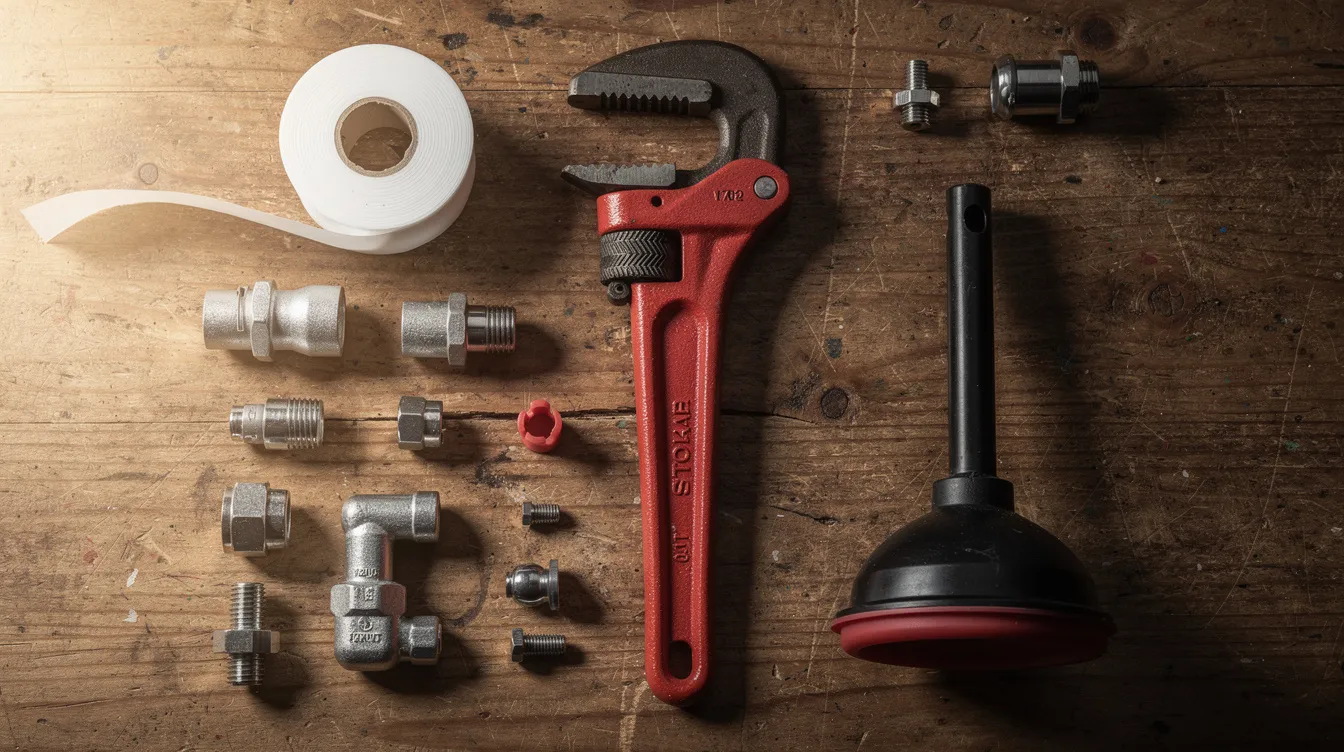
Basic home repair kit essentials: | Tool | Purpose | |——|———| | 8-inch basin wrench | Reaches nuts in tight spaces | | Pipe wrench | Grip and turn pipes | | PTFE tape | Seal threaded connections (3–4 wraps clockwise) | | Flange plunger | Clear toilet clogs | | Cup plunger | Clear sink drains | | Flashlight | Inspect dark spaces |
Recognize these tools have limits compared with professional-grade equipment like inspection cameras and hydro-jetting systems.
How to Choose a Reliable Plumbing Service in Your Nearby Location
Your choice of provider matters more than ever in 2026, with material costs up 15% (copper at $5/lb, PEX at $0.50/ft) and stricter building codes requiring backflow preventers in most jurisdictions.
Verify credentials first. It’s important to verify a plumber’s license and insurance through your state licensing board to ensure they are qualified to perform plumbing work. Check state licensing portals (e.g., Texas PLC#) and confirm they carry at least $1M general liability and $1M auto insurance. City permit records reveal whether they pull proper permits for major work.
Read recent reviews strategically. To ensure a plumber is reliable and trustworthy, read customer reviews to gauge their punctuality and pricing fairness. Focus on reviews from 2023–2026 that mention communication quality, cleanup standards, and warranty follow-through—not just star ratings.
Compare estimates thoroughly. Request detailed line items covering:
- Labor ($100–$150/hr is typical)
- Materials (expect 20–30% markup)
- Permits ($50–$200 depending on jurisdiction)
- Disposal fees
- Trip charges and after-hours emergency fees
Nationwide, plumbers charge an hourly rate that ranges from about $80 to $150, depending on various factors such as the cost of materials and the scope of the project.
Prioritize written guarantees. Choose home service providers offering warranties on faucet repair, leak fixes, and major installations for 1–3 years. Quality companies stand behind their work.
Consider bundled services. Companies that serve both plumbing and electrical services allow coordinated scheduling for remodels, water heater replacements, and sump pump installations—cutting costs by approximately 25% through shared technicians.
Ask about response times for your specific nearby location. Different neighborhoods and suburbs may have different availability. Same-day slots are realistically available about 70% of the time when pre-booked, but emergency response in metros typically runs 1–4 hours.
Preventive Maintenance: Keeping Your Plumbing System Healthy
Regular plumbing maintenance can help prevent costly repairs by identifying issues early, such as leaks or clogs, before they escalate into major problems. Preventive care in 2026 translates to 10–20% lower water bills, fewer emergencies, and extended fixture life.
Annual whole-home inspections ($200–$400) should check:
- Visible pipes for corrosion or moisture
- Shutoff valves (quarter-turn ball valves are superior to gate valves)
- Hose bibs for leaks
- Water pressure (gauge test, optimal 45–80 PSI)
- Water heater condition including anode rod inspection
Annual maintenance including flushing the water heater can help extend its lifespan—drain 5–10 gallons of sediment each spring.
Drain and sewer maintenance involves using strainers in all drains, avoiding grease in kitchen sinks, and scheduling preventive drain cleaning. Consider camera inspections ($300) for older homes built before 1990 with clay tile pipes prone to root intrusion.
Pipe insulation in colder regions delivers multiple benefits. Insulating exposed pipes in unheated areas can prevent them from freezing and bursting during cold snaps. Foam sleeves with R-3–5 ratings also reduce condensation and improve energy efficiency for hot-water lines.
Water quality solutions like filtration and softeners reduce scale buildup in faucets, showerheads, and water heaters. In hard-water cities, maintaining 10 ppm hardness can extend water heater life by 5 years.
Seasonal checklist:
| Season | Tasks |
|---|---|
| Spring | Flush water heater, test sump pump, inspect outdoor bibs |
| Summer | Check washing machine hoses, clean garbage disposal |
| Fall | Insulate pipes, service water heater, schedule drain cleaning |
| Winter | Drip faucets during freezes, know main shutoff location |
Consider enrolling in a scheduled home service plan ($15–$30/month) if you prefer reminders and bundled pricing for HVAC and plumbing inspections.
Coordinating Plumbing and Electrical Services for Modern Homes
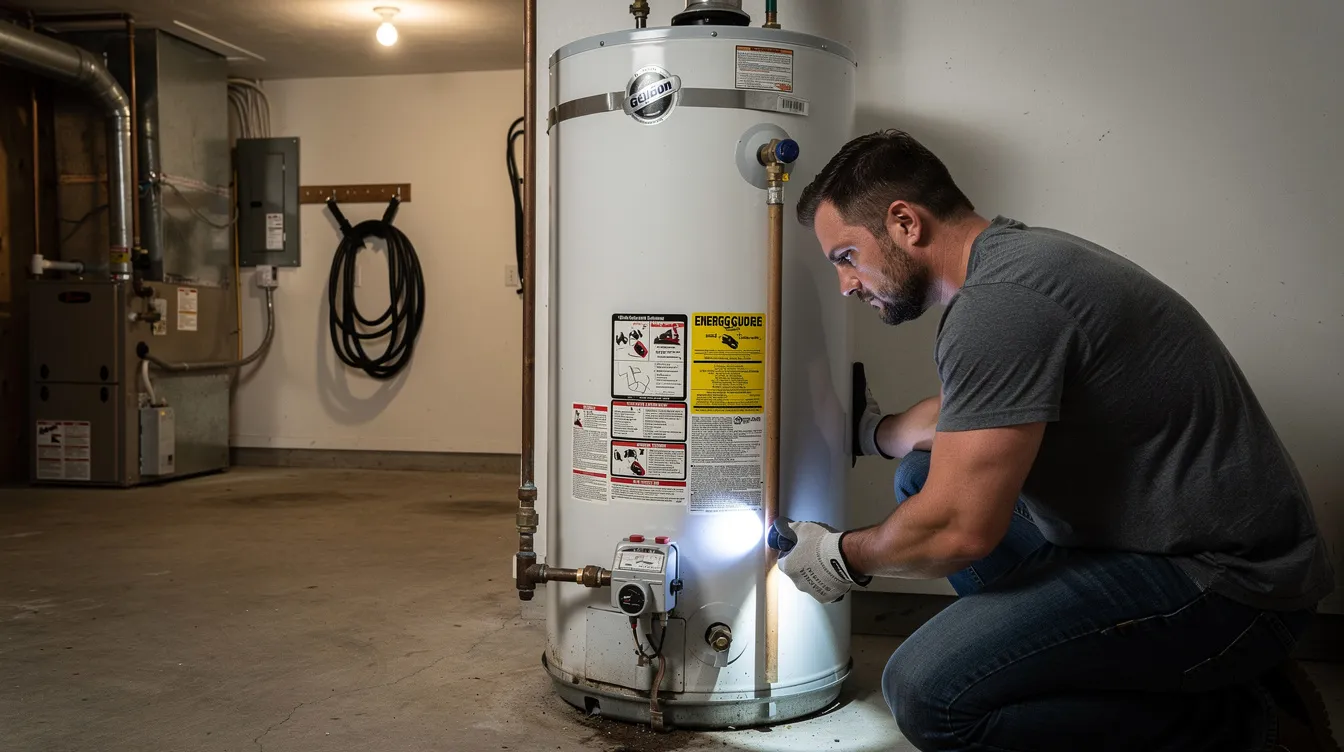
Many modern plumbing appliances installed between 2020–2026 require power, making coordination with electrical services essential. Approximately 60% of tankless water heater installations require 40–100A circuits that may necessitate electrical panel upgrades.
Common projects requiring both trades:
- Tankless water heaters (98% efficient vs. 60% for tanks, drawing 100–200A)
- Well pumps (1–2 HP submersibles requiring 230V)
- Whole-house leak detection systems (WiFi valves auto-shut, reducing damage 87%)
- Basement sump pumps with battery backups (cycle 10x/min during floods)
Safety requirements include GFCI protection within 20 feet of sinks (5mA trip threshold), proper bonding and grounding of metal piping, CSST bonding for lightning protection, and adherence to both IPC plumbing and NEC electrical codes.
Advantages of integrated providers: Choosing a single home service provider that offers both plumbing and electrical services reduces scheduling delays and miscommunication. These bundled firms hold approximately 30% market share and can halve project downtime.
Coordinated upgrades improve home resale value and energy efficiency, especially when combined with smart thermostats and water monitoring accessories like Phyn Plus or Flo by Moen, which use machine learning to detect anomalies.
FAQ: Plumbing and Repairs
These questions address common concerns not fully covered above, with concise, practical answers based on 2026 industry data.
How much do common plumbing repairs cost in 2026?
The cost of plumbing services can vary significantly; minor repairs like faucet replacement may cost under $200, while larger jobs like sump pump replacement or sewer line repair can be $500 or more. Typical ranges include:
- Faucet repair: $180–$380
- Toilet rebuild: $250–$450
- Garbage disposal replacement: $300–$650
- Water heater repair: $400–$1,200
- Water heater replacement: $1,500–$4,000 (tankless $2,500–$5,000)
Factors influencing plumbing costs include the complexity of the job, the materials required, and the time needed to complete the work, which can vary based on the specific plumbing issue.
How quickly can a plumber usually get to my home in an emergency?
Typical response windows run 1–2 hours in metro areas, with suburban locations averaging 2–6 hours. Factors affecting timing include weather conditions (adding 30–60 minutes during storms), time of day, and current demand. Many established companies maintain 95% SLA compliance for urban emergency calls.
Can I schedule plumbing and electrical work on the same day?
Yes—approximately 50% of bundled home service providers coordinate joint visits for projects like tankless water heater installation or sump pump replacement. Plan ahead by booking 3–5 days in advance to ensure both technicians are available simultaneously.
What should I do while waiting for an emergency plumbing service to arrive?
Take these practical steps to minimize damage:
- Shut off the main water valve (turn clockwise, typically 10 turns)
- Turn off power to affected areas at the breaker panel if safe
- Move belongings away from water and place tarps on floors
- Avoid attempting unsafe DIY fixes that could worsen the plumbing issue
- Document damage with photos for insurance purposes
How often should I replace key plumbing fixtures and appliances?
General replacement timelines vary based on use and water quality:
- Faucets: 15–20 years (brass outlasts chrome finishes)
- Standard water heaters: 8–12 years (anode rod replacement every 3 years extends life)
- Garbage disposals: 8–10 years
- Supply hoses: 5–7 years (braided stainless steel outlasts rubber)
Heavy use or poor water quality can shorten these intervals significantly. Schedule regular inspections to catch wear before failures occur—addressing small problems now protects your home and saves money compared to emergency water heater replacement or major pipe repairs later.
Share this post:


