


Your plumbing system works behind the scenes every single day. When it fails, the consequences hit fast: flooded rooms, destroyed flooring, and repair bills that climb into the thousands. The good news is that most plumbing disasters are preventable. Plumbing maintenance refers to the regular inspection and care of your home’s pipes, fixtures, and appliances to prevent costly repairs and water damage. This guide breaks down exactly what to do—daily, weekly, monthly, and seasonally—to keep your home’s plumbing in solid shape through 2026 and beyond.
Summary
Consistent plumbing maintenance in 2026 prevents costly repairs, water damage, and emergency repairs in any home. Catching a small plumbing leak early is far cheaper than dealing with a burst pipe, mold remediation, or flooded rooms. Regular plumbing maintenance helps prevent costly repairs and water damage, and routine checks prevent small issues from escalating into major problems.
Here’s what you need to know at a glance:
- A simple maintenance schedule covering daily, weekly, monthly, and seasonal tasks keeps drains clear, protects major appliances, and extends the life of your home’s plumbing.
- Regular plumbing checks can save hundreds to thousands of dollars compared to the cost of emergency repairs following a burst pipe or sewage backup.
- Small leaks can waste up to 34 gallons per year, and even one drip per minute adds up fast—making early detection essential.
- Professional plumbing inspections once a year uncover hidden plumbing issues like pipe corrosion and slab leaks before they become disasters.
- Ready to get ahead of problems? Schedule an inspection with a trusted local plumber. If you need professional plumbing services, don’t wait until something breaks.
Why Regular Plumbing Maintenance Matters
A typical American home built between 1980 and 2020 contains a mix of pipe materials—copper, galvanized steel, PEX, or CPVC—each with its own lifespan and failure modes. Regular plumbing maintenance catches wear and tear before it turns into a flooded kitchen or a compromised foundation. Regular maintenance extends the lifespan of plumbing components and keeps your entire plumbing system running reliably for decades.
The consequences of neglect are severe. Unnoticed plumbing leaks behind walls warp hardwood floors, ruin drywall, and trigger mold growth that can appear within 24 to 48 hours of a leak. Visible mold isn’t just cosmetic—it’s a health concern and an expensive remediation project. EPA data shows household leaks can waste thousands of gallons per year, driving up both water usage and energy bills. Regular inspections can catch leaks before they escalate, especially during extreme weather like hard freezes or summer heat waves.
The rest of this article is organized by task frequency so you can build a maintenance schedule that fits your life: daily, weekly, monthly, seasonal, and annual professional plumbing inspections.
Daily and Weekly Plumbing Maintenance Habits
Quick daily and weekly plumbing maintenance checks take less than 10 minutes but dramatically reduce the risk of sudden plumbing issues. A small drip can waste up to 20 gallons of water a day, and 4,000 drips equal one liter of water wasted—numbers that compound into real money fast.
Daily habits: Glance under kitchen and bathroom sinks to check for leaks, listen for running toilets, and notice slow drains before they clog completely. Keeping drains clear daily by scraping plates into the trash and using strainers in sinks and showers can prevent clogs from hair and other debris.
Weekly plumbing maintenance tasks: Test faucets and showers for consistent water pressure, quickly inspect exposed pipes in basements or utility rooms, and sniff for musty odors that might indicate hidden leaks or hidden moisture. Any sudden change in water flow, noise, or odor should trigger a more thorough visual inspection or a call to a professional plumber.
In the Kitchen
Kitchen plumbing sees heavy daily use and is one of the most common sources of plumbing repair calls. Proper maintenance here prevents the majority of clogged drain emergencies.
- Never pour grease, oils, or fat from cooking down the sink. Cool them and dispose of in the trash.
- Run cold water for 10–15 seconds before and after using the garbage disposal to keep the line clear and flush human waste and food particles through.
- Wipe plates and pans into the trash or compost before rinsing to prevent food buildup.
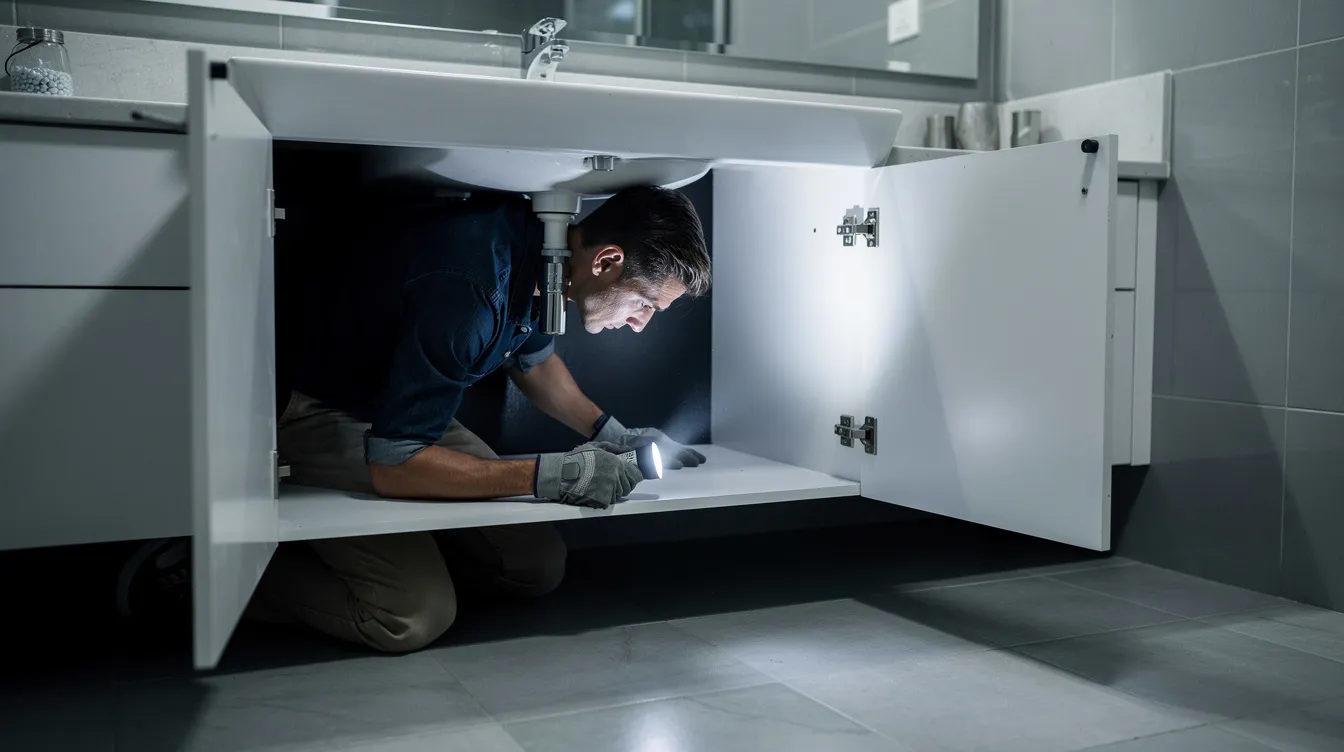
- Check under the kitchen sink weekly for damp cabinet floors, warped wood, or white mineral deposits around shutoff valves—all signs of a small plumbing leak.
In the Bathroom
Bathrooms account for most water use in the home and are prone to clogs, leaks, and sewer gas leak risks from dry traps. Using strainers in showers prevents hair and soap scum from building up in your drain lines.
- Install and clean hair catchers in showers and tubs weekly to keep drains clear.
- Never flush wipes labeled “flushable,” cotton swabs, dental floss, or feminine products. Stick to toilet paper only—these items cause stubborn toilet and sewer line clogs.
- Check weekly for loose toilet bases, water around toilets, and continuously running tanks. Toilet dye tests can detect hidden leaks in toilet tanks that waste hundreds of gallons.
- Discolored grout, peeling caulk, or soft flooring around tubs and showers may indicate ongoing hidden plumbing leaks.
Monthly Plumbing Checks to Prevent Costly Repairs
A monthly walkthrough of your home’s plumbing takes 30–45 minutes and often catches early signs of pipe corrosion, pinhole leaks, or failing connections. Cleaning faucet aerators monthly prevents clogs and maintains water flow throughout your home.
Monthly Plumbing Checklist
- Inspect exposed piping in basements, garages, crawl spaces, and under sinks for rust, flaking, green or white corrosion, or water stains on nearby surfaces.
- Run all rarely used fixtures (extra bathroom sinks, basement showers) to keep traps filled with water and prevent sewer gas odors from entering the home through the venting system.
Checking Shutoff Valves
- Test all shutoff valves by gently turning them off and on. Confirm shutoff valves are functioning to control water supply in emergencies—seized valves are a major problem when you need to stop water fast.
Testing for Hidden Leaks
- Check your water meter with all fixtures off to detect hidden leaks.
Inspect for Pipe Corrosion and Leaks
Pipe corrosion often starts subtly, especially in older galvanized or copper systems, and can lead to sudden failures. Corroded pipes are one of the leading causes of major problems in homes over 30 years old.
- What corrosion looks like: Green or blue stains on copper, orange rust on steel, and chalky white mineral buildup or mineral deposits on joints and fittings.
- Check ceilings under bathrooms and kitchens for new stains or bubbling paint—classic signs of a slow plumbing leak above.
- Note areas with recurring moisture or rust so you can track whether the issue is worsening over several months.
- Any visible bulging, severe rust, or active dripping should prompt an immediate call to a licensed plumber rather than a DIY attempt.
Water pressure should be maintained between 40 and 60 psi to prevent leaks. High water pressure above 80 psi can cause leaks because it stresses pipe joints and valves throughout the plumbing system. A pressure regulator can help keep things in a safe range.
Keep Drains Clear and Flowing
Slow drains are an early warning sign and should never be ignored. Clogs can shorten the lifespan of waste pipes by creating persistent pressure and corrosion points.
- Pour hot (not boiling) water down bathroom and kitchen sinks monthly to help dissolve soap and grease buildup.
- Use a simple drain snake or plastic drain cleaning tool for hair clogs instead of harsh chemical cleaners that can do more harm than good to pipes over time.
- Gurgling sounds in sinks or tubs can indicate partial blockages or venting system issues and warrant further investigation.
- Recurring clogs in the same drain may signal deeper problems in the branch line or main sewer that require professional equipment to clear. A baking soda and vinegar flush works for mild maintenance but won’t fix a serious blockage.
Seasonal Plumbing Maintenance by Time of Year
Your plumbing system responds differently to seasonal changes, especially in regions with freezing winters or heavy spring rains. Aligning seasonal tasks with other home chores—like HVAC filter changes—makes it easier to build a consistent maintenance schedule. Skipping winterization in cold climates is one of the most common causes of catastrophic plumbing repair bills.
Spring and Summer Plumbing Maintenance
Spring is ideal for inspecting damage from winter freezes and preparing for higher warm-weather water usage. The environmental impact of undetected leaks multiplies during summer when water demand peaks.
- Walk the yard after snowmelt or heavy spring rains to check for soggy spots that might signal underground leaks in your water supply or broken sprinkler lines.
- Clean gutters and downspouts so fresh water flows away from the foundation and doesn’t overwhelm your sump pump. Inspecting your sump pump monthly ensures it functions during heavy rains.
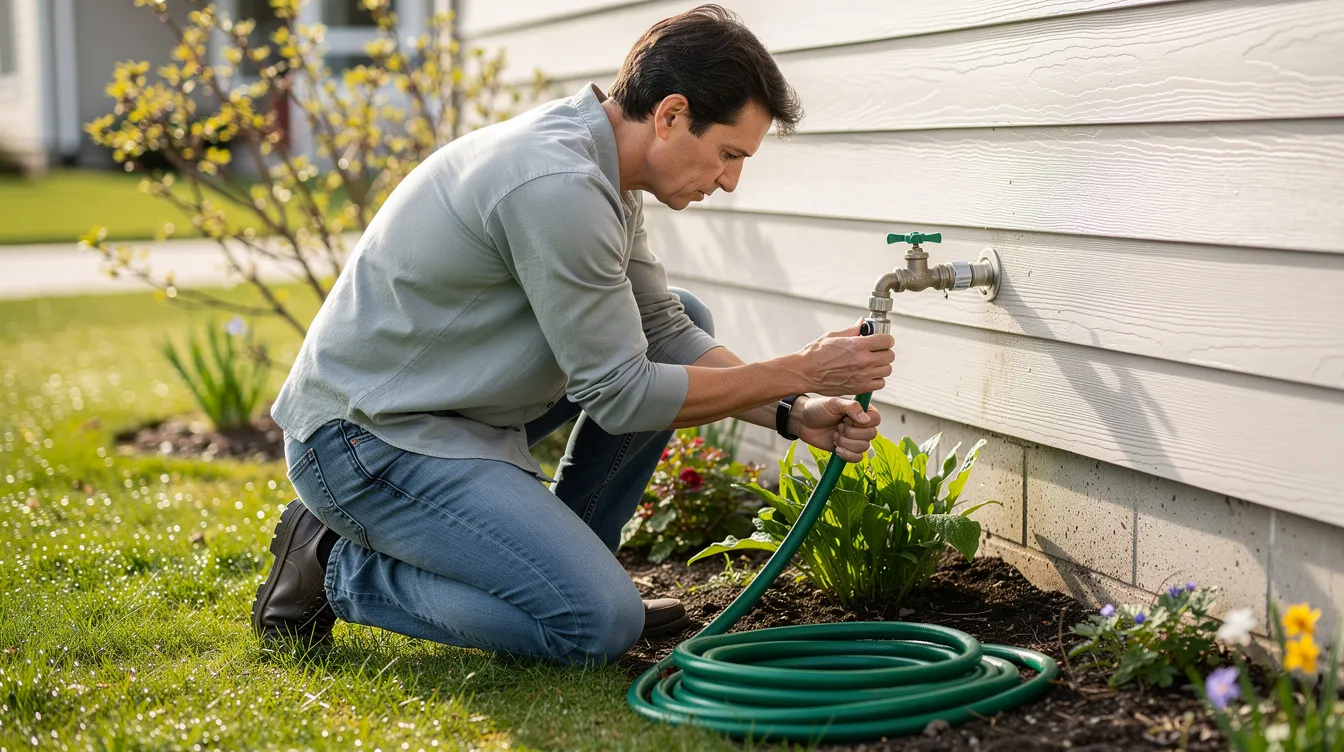
- Inspect each outdoor faucet and hose bibs in early spring for drips or wet areas in the wall that indicate freeze damage from the previous winter.
- Check and adjust irrigation systems and outdoor hoses in late spring to prevent unnoticed leaks that inflate water bills. This is also a good time to conserve water by fixing sprinkler heads and adjusting schedules.
Fall and Winter Plumbing Maintenance
Fall is the time to prepare plumbing for winter freezes, especially in areas where temperatures drop below 32°F. Frozen pipes can burst and cause significant damage—sometimes thousands of dollars in a single event.
- Disconnect and drain garden hoses. Shut off and drain exterior spigots where possible before the first hard freeze. Inspect outdoor spigots before winter to prevent damage.
- Insulate pipes in unheated areas like crawl spaces, garages, and attics with foam pipe sleeves or heat tape. Winterize plumbing to prevent pipes from freezing throughout the cold months.
- Set home thermostats no lower than around 55°F when away in winter to protect plumbing from freezing.
- Clean gutters to prevent water damage during winter thaw. Check sump pumps before winter to ensure functionality.
- If pipes freeze: Locate and shut off the main water valve, gently warm accessible sections with a hair dryer (never open flames), and call a plumber if a plumbing leak or burst pipe is suspected. Frozen pipes can wreak havoc on your home if not addressed quickly.
Protecting and Maintaining Major Plumbing Appliances
Major appliances connected to your home’s plumbing—water heaters, washing machines, dishwashers, refrigerators with ice makers—need regular care. Simple maintenance like hose replacement and sediment flushing can extend appliance life by years and help you save money by avoiding water damage. Many manufacturers require yearly maintenance in their manuals, and skipping it can void warranties. Water using appliances located on second floors pose higher risk for expensive damage if a plumbing leak occurs.
Water Heater Care
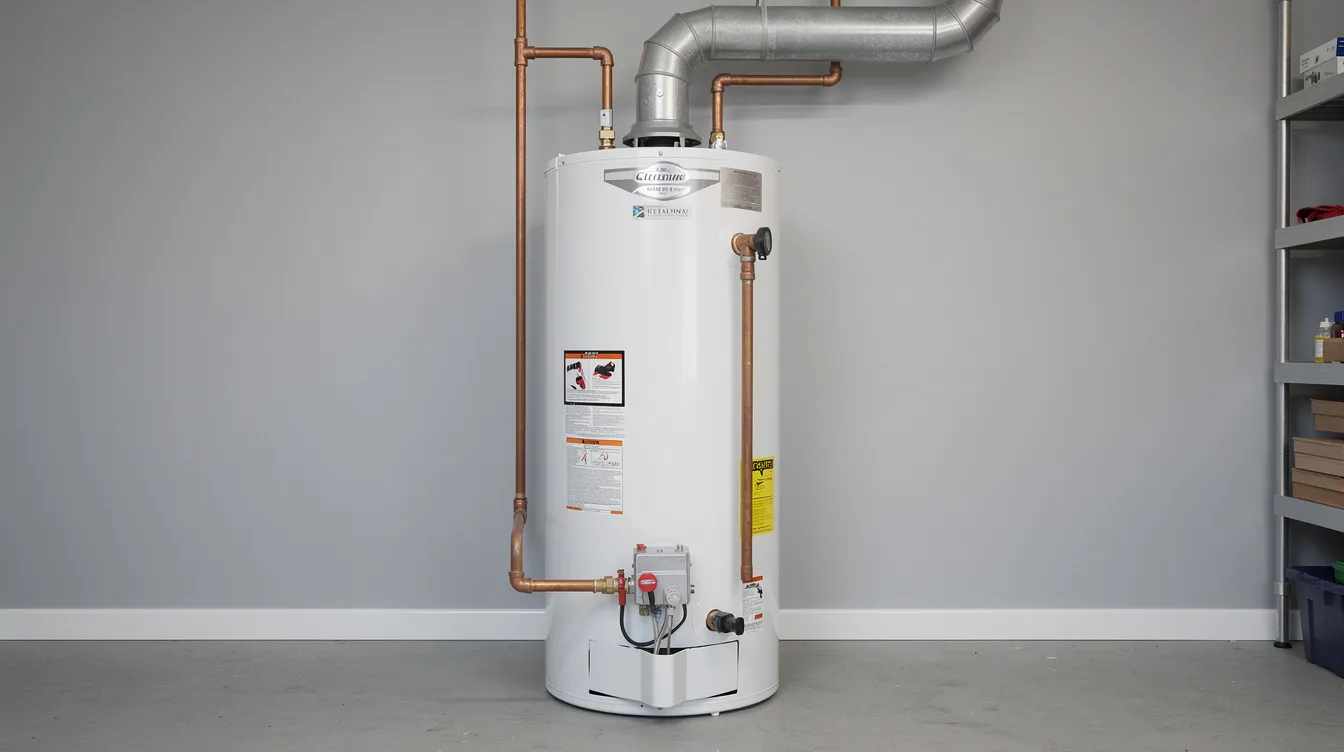
- Check the water heater area monthly for rust streaks, moisture around the base, or hissing sounds.
- Inspect water heaters annually for sediment buildup. Flushing your water heater annually improves efficiency and prevents damage. Sediment buildup in water heaters can decrease efficiency and lifespan, so use the drain valve to remove sediment every 6–12 months, especially if you have hard water with heavy mineral buildup.
- Set thermostats to around 120°F for hot water that balances scald protection, energy efficiency, and appliance longevity.
- Most tank water heaters last about 8–12 years. Consider proactive replacement before a catastrophic leak in an older unit.
Washing Machines, Dishwashers, and Other Appliances
- Replacing appliance supply hoses every five to seven years can prevent leaks. Swap rubber hoses for braided stainless-steel versions—they’re far more durable.
- Inspect dishwasher connections under the sink for dampness or mineral deposits that suggest a slow plumbing leak.
- Use drip trays under second-floor washers or water heaters to contain minor leaks and provide early visual warning.
- Shut off water to washing machines when leaving for long trips to reduce the risk of an unattended plumbing failure. This single step can prevent thousands in water damage.
When to Call a Professional for Plumbing Inspections and Repairs
While many maintenance tasks are DIY-friendly, certain plumbing issues require professional tools and expertise for safe, lasting plumbing repair. Emergency plumber rates can run $100–$500 per hour, with after-hours premiums of 1.5× to 2× or more. Proactive plumbing inspections cost a fraction of that and catch problems early.
Clear triggers to call a licensed plumber:
- Recurring clogs that don’t respond to basic clearing
- Visible pipe corrosion or corroded pipes
- Sudden water pressure changes
- Unexplained water stains on ceilings or walls
- Any suspected slab leak or septic system issue
A professional annual plumbing inspection typically includes checking supply and drain lines, testing water pressure, inspecting toilets and faucets, and evaluating your water heater condition. A proactive approach to scheduling these inspections costs far less than emergency repairs following a burst pipe or sewage backup. If your home has plumbing needs beyond basic DIY, reach out to a trusted local provider for professional plumbing services.
What to Expect During a Professional Plumbing Inspection
During a scheduled visit, the plumber will walk the property, check exposed piping, inspect under sinks, test fixtures, and look for signs of leaks or pipe corrosion. They may use tools like pressure gauges, moisture meters, or cameras for sewer line inspections if deeper issues are suspected.
The plumber should provide a written summary outlining current conditions, recommended plumbing repair services, and optional upgrades such as leak detectors or a pressure regulator. Ask questions about prioritizing repairs, estimated lifespans of key components, and a suggested maintenance schedule going forward. This check up is an investment that regularly saves homeowners from the kind of costly repairs that can run into the thousands.
Frequently Asked Questions About Plumbing Maintenance
How often should I schedule a professional plumbing inspection?
Most homes benefit from a full professional inspection at least once per year. Older homes or properties with trees growing over sewer lines may need checks every 6–12 months. Additional inspections are wise after major renovations, foundation work, or if recurring plumbing issues appear. Combining plumbing inspections with other annual tasks like HVAC service makes it easier to stay on your maintenance schedule.
What are early warning signs of a hidden plumbing leak?
Subtle clues include unexplained higher water bills, musty odors, warm spots on floors, persistent damp carpet, or faint hissing sounds when no fixtures are running. One drip per minute can waste about 34 gallons of water per year—small leaks add up. Try turning off all water fixtures, then check your water meter to see if it still moves. If it does, you likely have a leak. Call a plumber promptly to avoid structural damage and mold growth.
Is it safe to use chemical drain cleaners on slow drains?
Frequent use of harsh chemical drain cleaners can damage older pipes, soften PVC, and corrode metal plumbing over time. Mechanical methods like plungers and hand snakes are safer. For minor clogs, a mixture of baking soda and vinegar followed by hot water is an efficient plumbing system-friendly alternative. Call a professional if clogs recur or multiple drains in the home are slow, as this may indicate a deeper blockage in the sewer line.
How can I tell if my home’s water pressure is too high?
Purchase an inexpensive pressure gauge and attach it to an outdoor faucet to check static pressure with all fixtures off. Water pressure should be between 40 and 60 psi to prevent leaks. Anything consistently above about 80 psi can cause plumbing leaks and damage fixtures over time. Have a plumber install or adjust a pressure-reducing valve if pressure is too high.
What should I do before going on vacation to protect my plumbing?
Turn off the main water supply—or at least water to washing machines and ice makers—before trips longer than a few days. Run garbage disposals, clear drains, and check for leaks a day or two before leaving. In winter, keep the thermostat at 55°F or higher to prevent frozen pipes while the home is unoccupied. These simple steps protect your efficient plumbing system and prevent the kind of water damage that can wreak havoc on an empty home.
Share this post:


