


Every rainy season in Bellevue brings the same question for homeowners: is your basement actually protected? Between clay-heavy soils, high groundwater, and storms that seem to arrive in waves, a properly functioning sump pump isn’t a luxury on the Eastside – it’s a necessity. This guide covers everything you need to know about choosing a sump pump installer, understanding how these systems work, and keeping your home safe and dry through every season.
Key Takeaways
- Professional sump pump installation is one of the most effective ways to protect Bellevue homes from heavy rain, groundwater, and basement flooding. A complete system should include a properly sized pump, a well-positioned sump pit, a reliable discharge line, and a battery backup to handle power outages.
- Homeowners should watch for warning signs like unusual noises, constant running, or foul odors that indicate they need sump pump repair or replacement before the next storm hits.
- Annual sump pump service and simple maintenance tips – like cleaning the pit and testing the float switch – help keep the system working properly when it matters most.
- Not all sump pumps are created equal. Submersible, pedestal, and combination systems each serve different needs, and professional sump pump services help you compare options based on your property’s specific conditions.
- Ready Rooter serves Bellevue and surrounding areas with professional sump pump services, including installation, repair, and emergency pump services for homeowners who need fast, reliable help.
How a Sump Pump Protects Bellevue Homes
Frequent rain, seasonal snowmelt, and rising groundwater make sump pumps essential for basements and crawl spaces across Bellevue and nearby Eastside neighborhoods. Without one, even a moderate storm can send water pooling under your home.
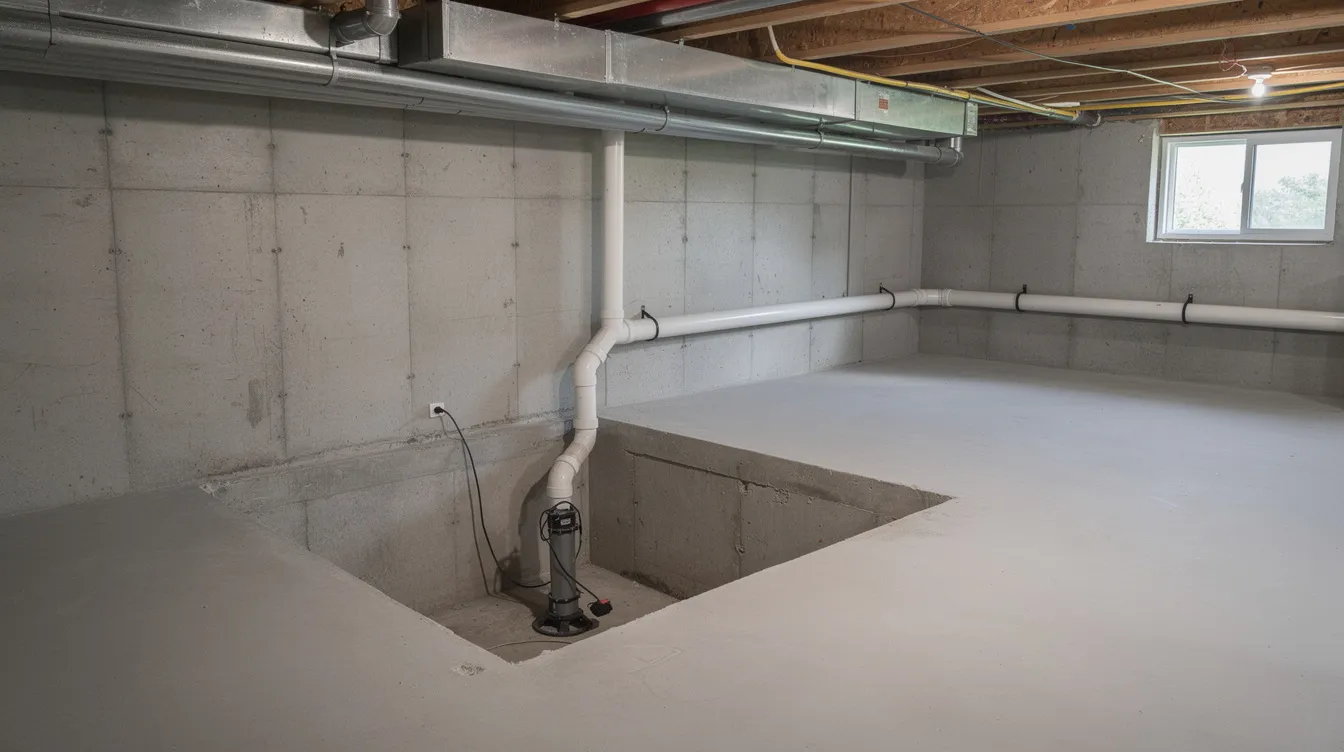
Here’s how a sump pump system works in practice: water seeps through soil and enters a sump pit, which is installed at the lowest point of a basement or crawl space. When water reaches a certain level, a float switch activates the motor. The pump then pushes excess water through a discharge pipe and routes it away from the home’s foundation, preventing it from collecting where it can cause damage.
Sump pumps prevent basement flooding and water damage by removing excess groundwater from basements and crawl spaces before it has a chance to rise. Without a working system, the risks for King County homes are real and expensive:
- A flooded basement after a single storm event
- Foundation cracks from sustained hydrostatic pressure
- Mold growth on walls, joists, and stored belongings
- Ruined flooring, drywall, and mechanical equipment
A sump pump can protect against mold and structural issues that cost thousands to remediate. The difference between reacting to water damage after a storm and investing in proactive professional sump pump installation is often the difference between a dry home and a five-figure repair bill. Acting before the rainy season starts gives homeowners the upper hand.
Do You Need a Sump Pump Installer? Common Situations in Bellevue
Not every home needs a sump pump, but many Bellevue and Eastside properties do because of soil conditions, sloped lots, and older foundations that weren’t designed to manage modern drainage loads. Sump pumps are essential in areas with heavy rainfall – and Bellevue qualifies.
Here are concrete situations where a homeowner should call a sump pump installer:
- Standing water in the basement after storms, even small ones
- A damp or musty crawl space that never fully dries out
- White “efflorescence” stains on foundation walls (mineral deposits left by evaporating water)
- A history of flooding in the neighborhood or on the street
- Homes near Lake Washington, Kelsey Creek, or lower-lying areas where groundwater can rise quickly
Proper drainage design is essential to avoid water intrusion in basements, and a professional installer evaluates your drainage, foundation walls, and existing plumbing before recommending a sump pump solution or alternative approach. This assessment matters – the best sump pump solution for a hillside home in Somerset differs significantly from what a property in Wilburton might need.
Real estate buyers in wet years like 2025–2026 have increasingly asked for sump pumps as part of home inspections, especially after atmospheric rivers brought heavier-than-usual rainfall to the region.
Types of Sump Pumps and Backup Options
Choosing the right sump pump is just as important as installing it correctly. Professional sump pump services help homeowners compare options so they invest in the system that actually fits their property, rather than grabbing whatever is on the shelf.
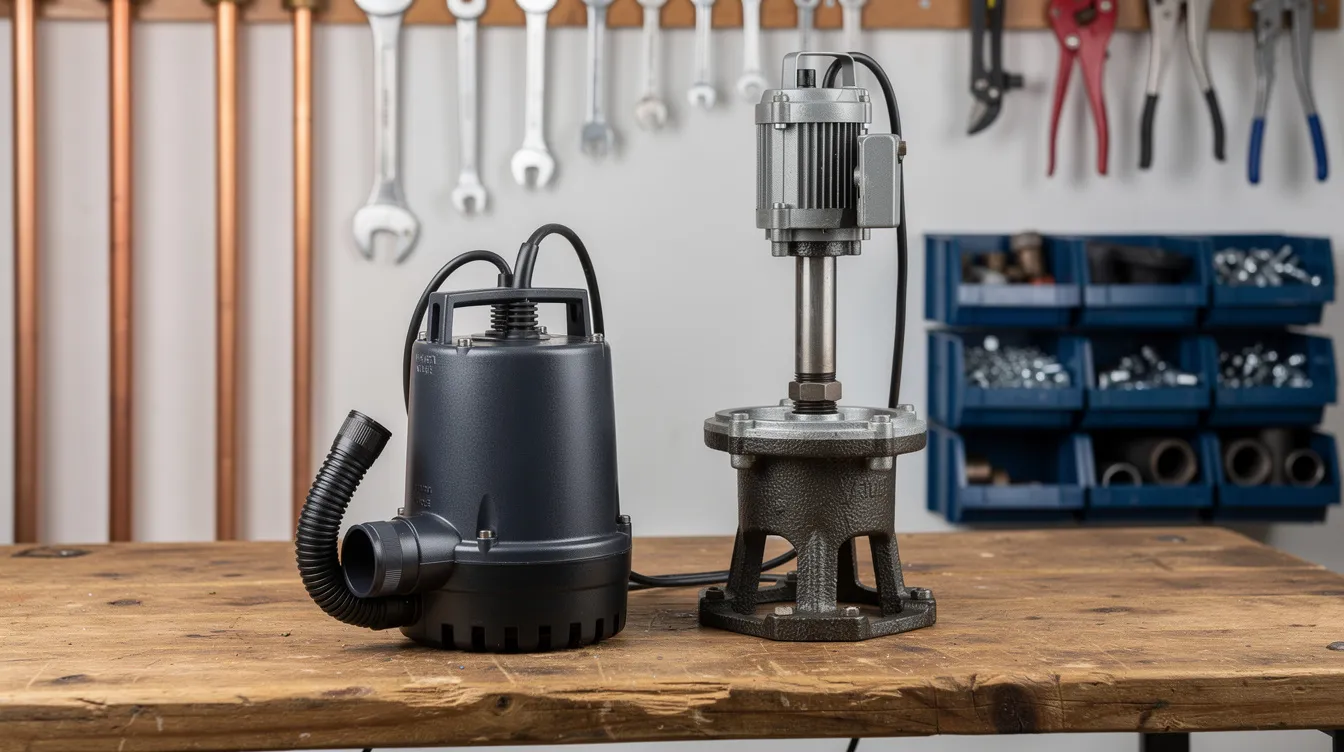
Submersible vs. Pedestal
| Feature | Submersible Pump | Pedestal Pump |
|---|---|---|
| Position | Installed underwater in a sump pit | Mounted above the sump pit |
| Noise level | Quieter (water dampens sound) | Louder (motor exposed) |
| Typical lifespan | 7–12 years in PNW conditions | 15–25 years with good maintenance |
| Best for | Finished basements, deep pits | Tight crawl spaces, easy-access needs |
Not all sump pumps serve the same purpose. Submersible pumps are installed underwater in a sump pit and handle larger water volumes, making them a strong choice for homes with high groundwater. Pedestal pumps are mounted above the sump pit, making them easier to service but noisier during operation.
Backup Systems
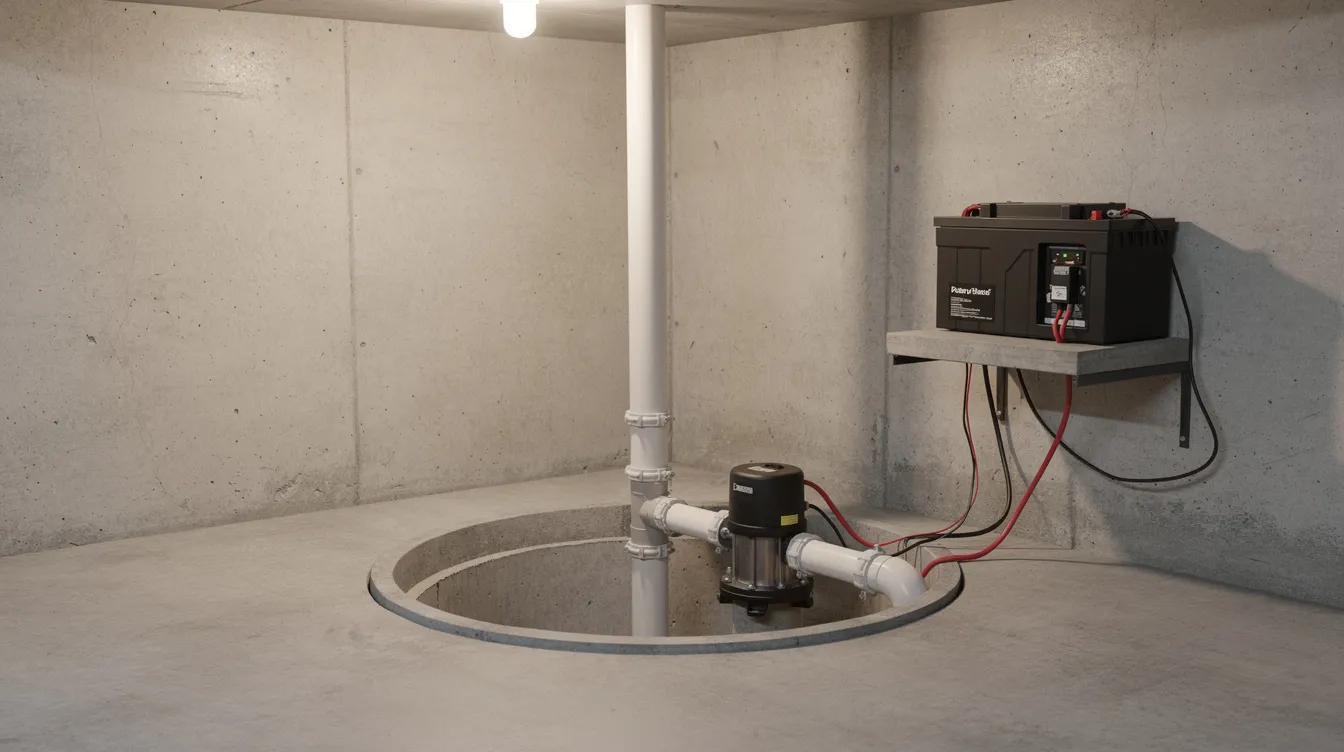
Battery backup systems keep pumps operational during power outages – a critical feature during Pacific Northwest storms when wind and rain often hit simultaneously. Water-powered pumps use municipal water pressure for operation, requiring no electricity at all, though they produce lower flow rates and aren’t suitable for homes on well water.
Installers should provide proper sizing of the sump pump based on water inflow. An installer may also recommend a combination primary pump and battery backup unit housed in a single basin, or dual-pump systems for properties with very high groundwater. Professional sump pump installation includes sizing the pump correctly – horsepower, gallons per hour, and vertical lift – rather than relying on a one-size-fits-all approach. Battery backup options should be provided for sump pumps to protect during outages regardless of configuration.
Our Sump Pump Installation Process (Step-by-Step)
A professional sump pump installer follows a structured process to keep the project clean, code-compliant, and reliable from day one. Sump pump installation involves plumbing and electrical work, so each phase matters.
Assessment
The process starts with inspecting the basement or crawl space, locating the lowest point where water naturally collects, identifying utilities, and planning where the sump pit and discharge line will go. Sump pumps are installed at the lowest point of a basement or crawl space to ensure water flows into the pit by gravity.
Pit Preparation
The sump pit is cut, dug, and lined according to specifications. A sump pump should be installed in a pit at least 18 inches wide and 24 inches deep to accommodate the pump, float, and adequate water volume. A durable basin – plastic, polymer, or concrete – is set depending on soil type and water chemistry. Dust and debris are controlled, and finished surfaces are protected.
Pump and Discharge Installation
The pump is placed in the pit, and a check valve is installed on the discharge line. A check valve is necessary to prevent water from flowing back into the sump basin and causing rapid cycling. The discharge pipe is routed to daylight, a storm drain (where legal), or a dry well positioned several feet from the foundation. Installation should ensure the discharge pipe routes water away from the foundation – never back toward it.
Electrical Work
A dedicated outlet with GFCI protection (where required) is set up, with proper cable routing. Professional sump pump installation may require obtaining municipal permits for both plumbing and electrical components, especially in Bellevue where code standards are specific.
Testing and Cleanup
The pit is filled with water to verify pump activation and shut off, the discharge line is checked for leaks, and battery backup operation is confirmed. The work area is left clean and debris-free.
Sump Pump Repair and Troubleshooting
Sump pump repair is often more urgent than new sump pump installation because it usually follows a failure or a warning sign right before a storm. When your primary pump fails, time matters.
During sump pump service, a technician inspects the core components:
- Float switch or pressure switch
- Impeller and intake screen
- Discharge line and check valve
- Power supply, circuit breakers, and GFCI outlets
- Control panel or alarm (if present)
Common sump pump issues include clogged discharge pipes and stuck float switches, which are often the first things a technician checks. Other repair situations include:
- Pump runs but doesn’t remove water (blocked impeller or failed check valve)
- Motor hums but doesn’t start (seized bearings or capacitor failure)
- Tripped breakers during wet weather (overloaded circuits)
- Frequent cycling that wears components prematurely
A professional can distinguish between a simple clog and deeper issues like motor failure, an incorrectly sized pump, or a poorly sloped discharge line that freezes or causes backflow. Many repairs can be completed in a single visit if the technician’s truck is stocked with common sump pumps, valves, and fittings. More complex cases may call for full replacement of the primary sump pump.
Warning Signs Your Sump Pump Needs Service
Sump pumps often show symptoms days or weeks before a complete failure, giving homeowners a window to schedule a professional service call. Sump pumps typically last 2 to 5 years depending on usage, and knowing the signs of wear can save you from unexpected water events.
Sounds and Smells
- Banging or grinding noises during operation
- Burnt or electrical smells near the pump or outlet
- Foul or musty odors from standing water in the pit
Functional Red Flags
- Water standing in the pit after a rainstorm, even though the pump appears to run
- The float getting stuck against the basin wall
- The pump failing to turn on unless tapped or jiggled
- Visible rust on the pump housing or discharge piping
Electrical and Backup Warnings
- Frequent tripping of GFCI outlets
- Backup battery alarms sounding
- Backup pumps that have never been tested since install
If you notice any of these signs, schedule sump pump repair or inspection promptly. Waiting for the next atmospheric river or multi-day rain event is a gamble that rarely pays off.
Common Causes of Sump Pump Problems
Most sump pump failures can be traced to a handful of common issues that a professional sump pump installer or technician can identify quickly.
Debris Buildup
Silt, small rocks, or construction debris in the pit can jam the impeller, clog the intake screen, or block the check valve. Debris buildup is especially common after home renovations or in crawl spaces with exposed dirt floors.
Wear and Tear
Pumps older than 7–10 years develop worn seals, brittle plastic components, and floats that no longer activate reliably after thousands of cycles. In Bellevue’s wet climate, pumps cycle more frequently than in drier regions, accelerating this wear.
Power and Wiring Issues
Relying on a single circuit that also feeds other appliances is a common setup mistake. Extension cords not rated for permanent use, or power surges during storms, can damage the pump’s motor or trip breakers at the worst possible time.
Improper Installation
Undersized pumps, discharge lines that slope back toward the house, or pumps installed without a check valve all lead to short-cycling, backflow, and premature failure. These problems trace directly back to cutting corners during the original installation.
Periodic professional sump pump service catches these issues long before the system is needed most – saving homeowners from costly repairs and significant damage.
Battery Backup and Redundancy for Storm Power Outages
Pacific Northwest storms often bring both heavy rain and high winds, making power outages a major risk for any electric sump pump. Approximately 60% of basement floods in sump-pit-equipped homes are tied to power failures rather than mechanical issues – backup systems aren’t optional, they’re essential.
How Battery Backup Works
A battery backup system uses a separate pump (or a shared housing) with its own float switch. When the primary pump fails or power drops, the system automatically switches to DC power from a deep-cycle battery. A properly functioning sump pump is crucial during power outages, and a battery backup can keep your sump pump operational when the grid goes down.
What Homeowners Should Know
- Typical battery runtime depends on battery size (amp-hours) and pump load
- Batteries last roughly 3–5 years before needing replacement
- Periodic testing is non-negotiable – most failures are discovered only when the backup is actually needed
- A battery backup keeps your pump running even during extended outages
Alternative Redundancy
Some homeowners opt for dual primary pumps on separate circuits, Wi-Fi or cellular sump alarms that send alerts when water levels rise, or combination systems that integrate everything into one basin. A professional sump pump installer can design a backup setup tailored to your home’s flood risk and local outage history rather than using a generic kit.
Simple Maintenance Tips to Keep Your Sump Pump Working Properly
While professional sump pump service is important, homeowners can perform basic routine maintenance between visits to extend pump life and avoid failures. Regular maintenance helps prevent sump pump failures during heavy rain.
Easy Tasks You Can Do Quarterly
- Visually inspect the sump pit and remove loose debris
- Confirm the float switch moves freely and isn’t pressed against the basin wall
- Walk outside and verify the discharge line outlet is clear and not blocked by dirt, leaves, or ice
- Check for unusual noises or vibrations when the pump activates
How to Test Your Pump
Slowly pour a bucket of water into the basin. Watch for the pump to turn on at the expected level, remove water efficiently, and shut off cleanly. If anything seems off – delayed activation, weak flow, or the pump doesn’t shut off – schedule service.
Battery Backup Care
- Check indicator lights monthly
- Test backup operation by temporarily unplugging the primary pump (safely, during dry weather)
- Replace the battery on the manufacturer’s recommended schedule, typically every 3–5 years
Annual Professional Checkup
Schedule a professional annual or pre-rainy-season inspection, especially if your home has experienced flooding, you’ve finished your basement, or you rely on the pump to protect valuable equipment. Pump regularly tested systems rarely fail when it counts. Regular maintenance is one of the best defenses against water damage.
Why Hire a Professional Sump Pump Installer in Bellevue?
A sump pump is a critical safety device for the home, and cutting corners on proper installation can lead to costly repairs down the road. Professional installation ensures proper setup, drainage, and code compliance – which matters especially in Bellevue.
Professional sump pump installers understand local codes, utility rules, and drainage requirements in Bellevue and nearby cities like Redmond, Kirkland, and Issaquah. Most states require plumbers to be licensed for sump pump installations, and qualified sump pump installers should be licensed, bonded, and insured.
Professional vs. DIY
| Professional Installation | DIY Risks |
|---|---|
| Correct pump sizing for the property | Undersized or oversized pump |
| Leak-free discharge connections | Improper slope causing backflow |
| Secure electrical supply on dedicated circuit | Extension cords or shared circuits |
| Warranty protection on pump and labor | Voided manufacturer warranty |
| Code-compliant discharge routing | Illegal discharge into sanitary sewer |
Local reviews can verify the reputations of sump pump installers in your area, and obtaining multiple written estimates can help compare costs before committing. Think long-term: a reliable, properly installed sump pump system costs far less over its lifetime than repeated water damage, mold remediation, or foundation repair. Licensed plumbers with local experience are your trusted partner in keeping your home dry.
Our Sump Pump Services in Bellevue and Surrounding Areas
Ready Rooter is a local sump pump installer and plumbing expert serving Bellevue and the broader Eastside community. Whether you need a brand new system or your existing pump is showing its age, we handle all sump pump needs with the same attention to detail and reliability.
What We Offer
- New sump pump installation for basements and crawl spaces
- Replacement of failing or aging pumps, including submersible and pedestal models
- Sump pump repair for float switch issues, discharge line problems, and motor failures
- Ongoing maintenance visits to keep your system in peak operation
- Battery backup installation and testing
Where We Work
Service coverage includes Bellevue plus surrounding areas: Redmond, Kirkland, Mercer Island, Issaquah, Newcastle, and nearby Eastside neighborhoods. We’re available for urgent or emergency pump services during or after major storms, with a focus on quick response to minimize damage when pumps stop working properly.
Protect Your Home Before the Next Storm
Whether you need to install, replace, repair, or inspect a sump pump system, our team provides maximum protection for your home. Don’t wait for the next heavy rain to discover your basement isn’t protected – contact Ready Rooter to schedule professional sump pump installation or inspection and keep your home safe and dry year-round.
FAQ: Professional Sump Pump Installation and Service
Below are common questions homeowners ask their sump pump installer that aren’t fully covered in the sections above.
How long does a typical sump pump installation take?
Most standard installations in an unfinished basement or accessible crawl space can be completed in a single day, often within 4–8 hours. More complex jobs – such as cutting through rocky slabs, running long discharge lines, or coordinating electrical permits – may require additional time. Your plumber should give you a clear timeline before work begins.
How often should a sump pump be replaced?
Sump pumps typically last 2 to 5 years depending on usage, though well-maintained submersible models in moderate conditions can last longer. Homes with frequent groundwater issues or constant cycling may need replacement sooner. If your pump is older than a decade or has started showing performance issues, schedule an inspection rather than waiting for a failure.
Can a sump pump discharge into my home’s sewer line?
In most jurisdictions, including much of King County, it is not legal or recommended to discharge sump water into a sanitary sewer because it overloads treatment systems. A professional installer should route water to a storm drain, daylight location, or approved drainage solution that moves excess water safely away from your foundation.
Will installing a sump pump reduce my basement humidity and mold risk?
A properly functioning sump pump system helps remove standing water and reduce moisture, which lowers the risk of mold growth. However, combining a sump pump with good exterior grading, functional gutters, and a dehumidifier provides the best long-term results for keeping your basement dry.
Do I still need a sump pump if my basement has never flooded?
Many homeowners install a sump pump proactively – when finishing a basement, after nearby properties experience flooding, or when inspection reveals moisture and minor seepage. Waiting for a first major flood often proves far more expensive than preventive installation. If you live in a heavy rainfall area like Bellevue, a proactive sump pump system is one of the best investments you can make in your home.
Share this post:


