


Key Takeaways
- Sewer repairs prevent leaks, sewage backups, and property damage; homeowners are typically responsible for the lateral line running from their house to the property line or municipal connection.
- Modern trenchless sewer repair methods like pipe relining and pipe bursting can often be completed in 1–2 days with minimal yard or driveway disruption compared to traditional excavation.
- Warning signs such as multiple slow drains, gurgling toilets, sewage smells, or unexplained wet spots in the yard indicate a professional sewer inspection should be scheduled immediately; extensive damage may require replacement services.
- Sewer line repair methods include both trenchless (minimally invasive) and traditional excavation techniques, with traditional excavation generally reserved for severe or extensive damage when trenchless methods are not viable.
- Typical sewer repair costs range from a few hundred dollars for minor clogs and cleaning to several thousand dollars for full sewer line replacement, depending on length, depth, and repair method.
- Choose licensed, insured sewer repair companies that offer camera inspections, clear written estimates, upfront pricing, and 24/7 emergency availability.
The Importance of Professional Sewer Repairs
Sewer repairs protect your family’s health, prevent structural damage to your home, and keep your property compliant with local plumbing codes. When sewer systems fail, the consequences extend far beyond inconvenience—they can create genuine hazards that affect your household and neighbors.
Damaged sewer lines can lead to raw sewage backing up into your basement, contaminating soil around your foundation, and causing costly landscaping and structural repairs if not addressed promptly. A broken sewer pipe is often the source of these problems and requires prompt professional attention to prevent further sewer issues. According to the American Society of Civil Engineers’ 2021 Report Card, U.S. wastewater infrastructure scores a C-, with 880,000 miles of sewer lines averaging 43 years old. This aging infrastructure means many homes are operating on borrowed time.
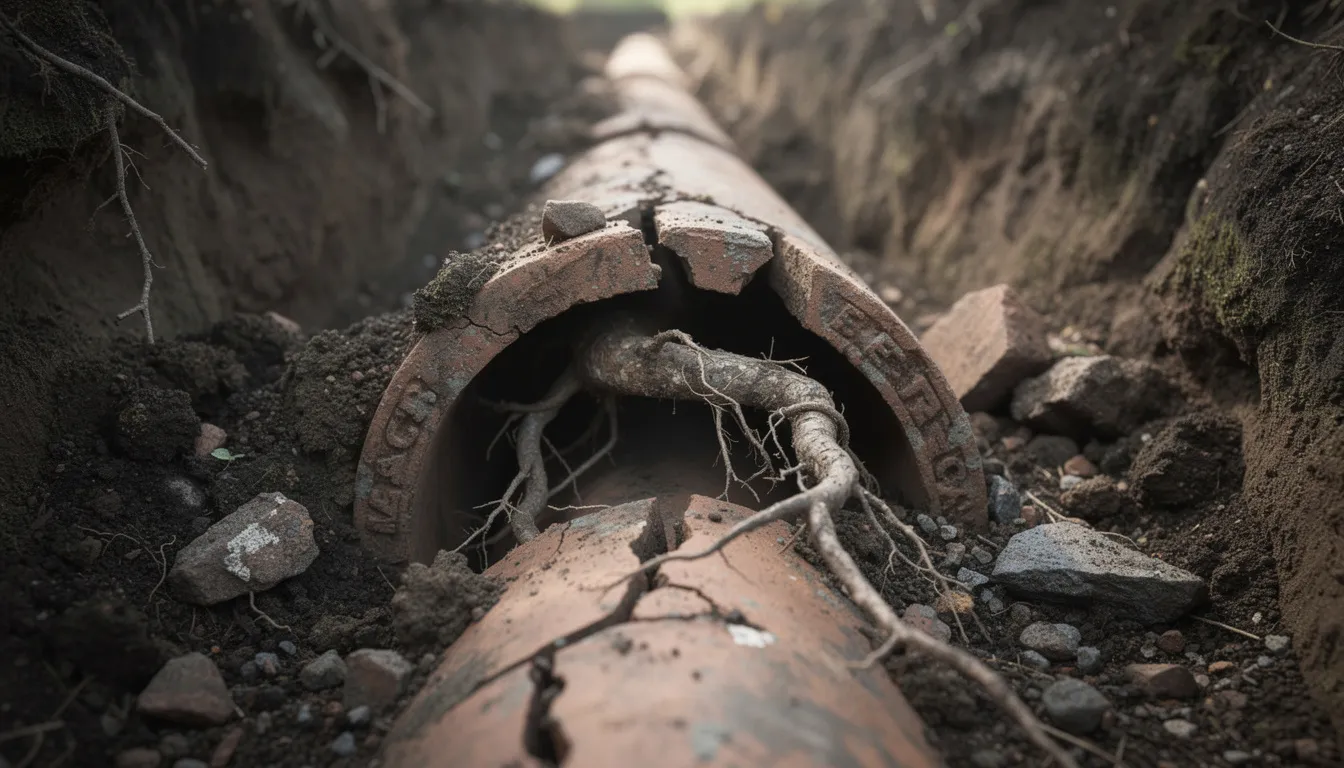
Materials commonly installed between the 1940s and 1970s—including clay pipes, Orangeburg (a tar-paper composite), and early cast iron—are especially prone to failure from tree roots, corrosion, and ground movement. These outdated materials simply weren’t designed to last as long as modern alternatives.
Professional plumbers use specialized diagnostic tools, follow city permit rules, and understand the techniques required for lasting repairs that DIY attempts cannot match for safety or long-term reliability. Many municipalities across the U.S. and Canada require licensed contractors and inspections for any major sewer repair or replacement work, making professional service not just advisable but often legally necessary. Early detection and professional intervention in sewer issues can prevent extensive property damage and health hazards.
Common Sewer Line Problems We Repair
Understanding what causes sewer line issues helps you recognize problems early and communicate effectively with your service technician. Recognizing these signs is crucial in determining when your sewer line needs repair or replacement. Here are the most frequent issues that require professional sewer line repair services:
- Root intrusion stands as the leading cause of sewer blockages. Tree roots naturally seek moisture and nutrients, entering through small gaps at pipe joints. Once inside, they expand and can completely obstruct or break the pipe. Properties with large, mature trees near the main sewer line are particularly vulnerable.
- Pipe corrosion, collapse, and sagging affect older homes, especially those built between 1940 and 1980 with cast iron or clay sewer pipes. These materials deteriorate over decades, developing large cracks, separating at joints, or creating low spots called “bellies” where waste accumulates.
- Chronic grease buildup, wipes, and foreign objects solidify inside the main line over time. Despite “flushable” labels, wipes don’t break down like toilet paper. Combined with cooking grease poured down drain pipes, these create stubborn blockages that cause repeated sewer clogs.
- Ground movement and environmental factors including heavy vehicle traffic over buried lines, freeze-thaw cycles (particularly problematic in northern climates like Minnesota), and soil settling cause cracks, misaligned joints, and leaks that worsen each season.
- Hidden leak indicators often appear before you notice a backup. Sewer odors inside the home, unusually lush green patches in the yard, and unexplained wet or sunken areas frequently signal underground sewer line damage that requires immediate attention.
Warning signs that your sewer line needs attention include widespread slow drains, frequent backups, persistent odors, gurgling noises from drains, lush or soggy patches in your yard, and increased activity from pests.
Inspection & Diagnostics for Sewer Repairs
Accurate diagnosis is essential before choosing between repair vs. replacement and before any contractor can provide a reliable price quote. Guessing at the problem often leads to incomplete fixes, wasted money, and recurring issues. Proper inspection is crucial for identifying issues such as a broken sewer pipe, which can require specialized repair methods, and for planning comprehensive drain and sewer services in Bellevue that match your home’s specific needs.
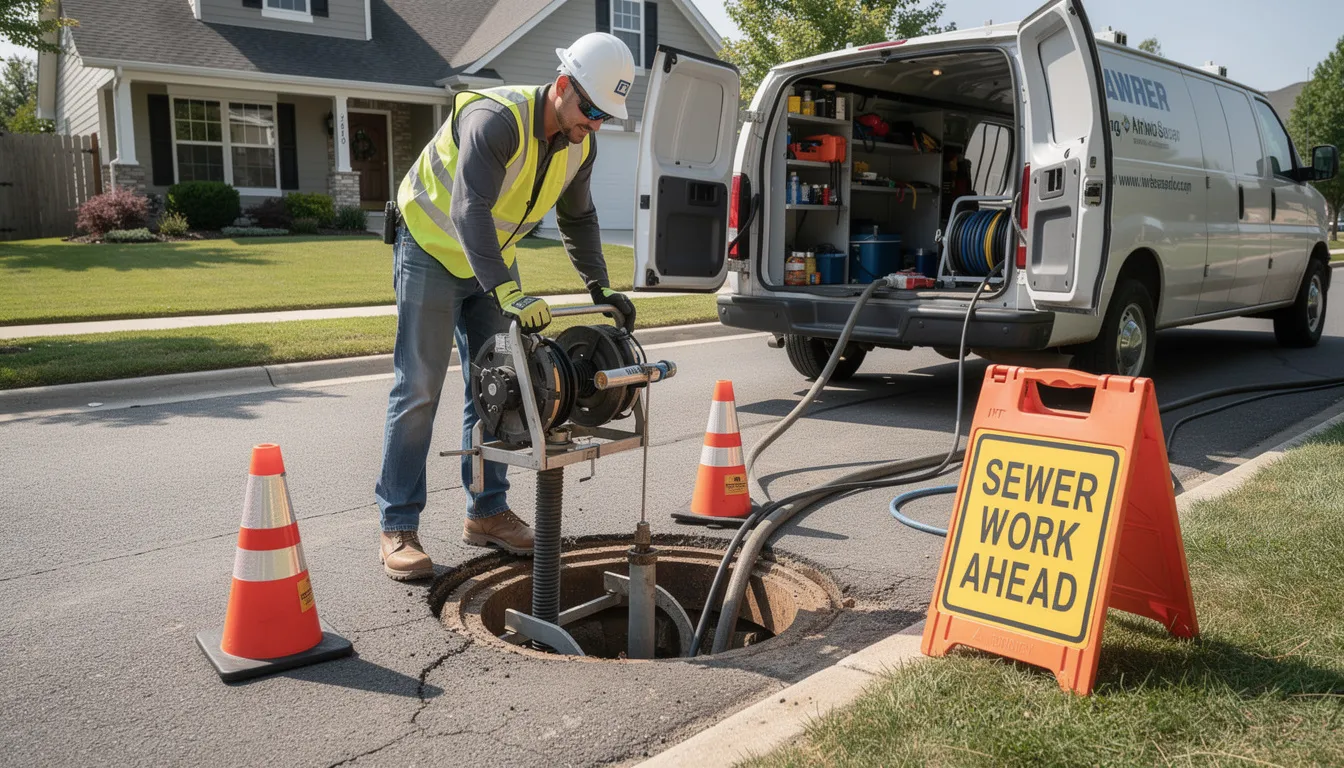
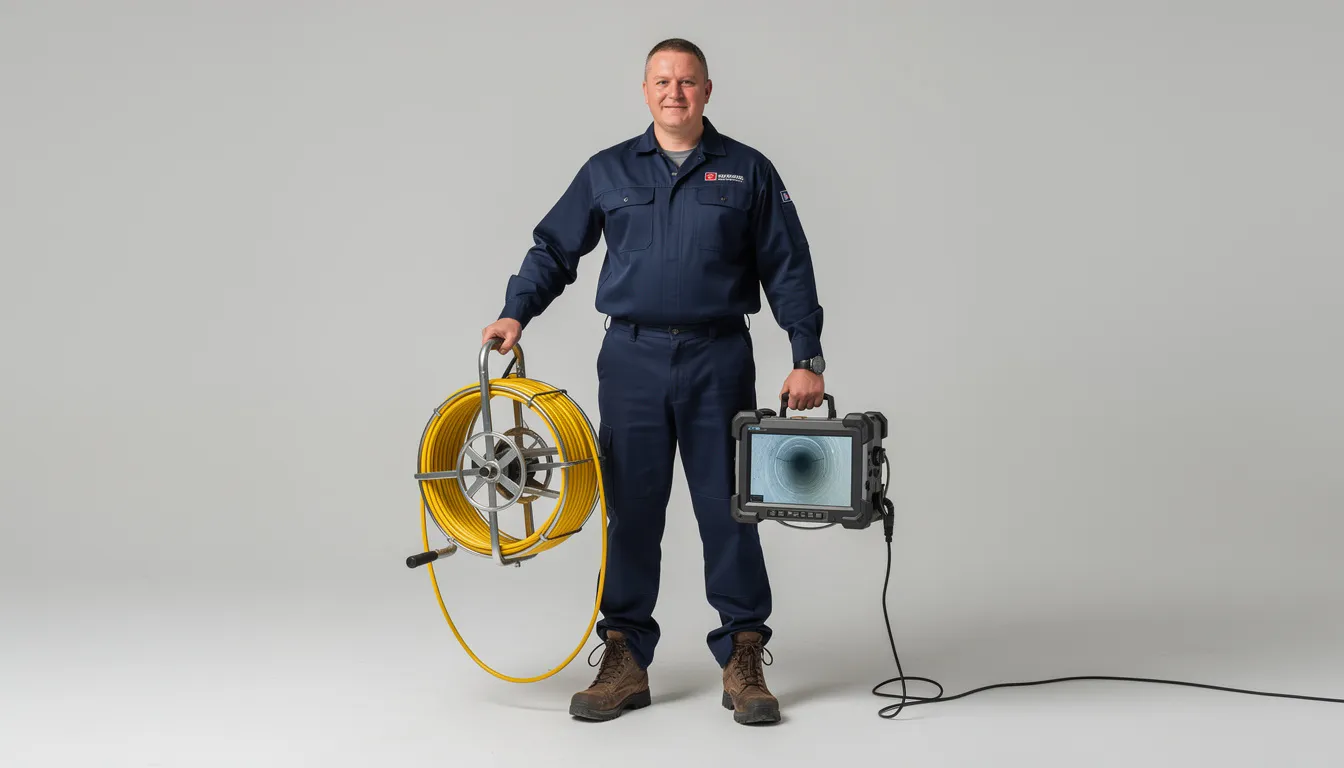
High-resolution video camera inspection has become the industry standard for diagnosing sewer line issues. A service technician inserts a specialized camera through a cleanout to view the full length of the line, capturing footage of roots, breaks, bellies, and blockages. This non-invasive method reveals exactly what’s happening inside your sewer pipes without any digging.
Electronic locating and line mapping uses transmitters and receivers to track the pipe path and depth from the surface. Technicians can pinpoint the exact location of damage, identify where the sewer line runs relative to structures and landscaping, and plan access points before any work begins.
Leak detection techniques identify where sewage is escaping—whether at a single joint, along a cracked section, or throughout the entire line. This information determines whether a spot repair, partial replacement, or full sewer line replacement is the most cost-effective solution.
Repeated backups in older neighborhoods or houses purchased before 1990 often justify a full sewer line inspection before making any major repair decision. The small investment in diagnosis prevents much larger expenses from choosing the wrong repair approach.
Homeowners should always request a copy of the inspection video or report. This documentation proves invaluable for insurance claims, permit applications, and getting second opinions from other sewer repair companies.
Sewer Cleaning, Maintenance, and Minor Repairs
Not every sewer problem requires full replacement. Many issues can be resolved with professional cleaning or sectional repair, saving homeowners significant expense while extending the life of existing pipe.
Mechanical drain cleaning uses steel cable machines equipped with cutting heads to remove tree roots, scale, and debris from the main sewer line. This method physically cuts through obstructions and scrapes buildup from pipe walls, restoring flow without chemicals.
Hydro jetting employs high-pressure water jets to clear grease, sludge, sand, and stubborn accumulation. The force of the water (typically 3,000-4,000 PSI) scours pipe interiors clean and can remove blockages that cable machines cannot. This technique is particularly effective for commercial properties, multi-family buildings, and lines with heavy grease deposits, making it a cornerstone of professional drain cleaning and clearing services.
Spot repairs address localized issues where a single cracked or offset joint can be excavated and replaced without replacing the entire sewer run. When camera inspection reveals that only damaged sections need attention, this targeted approach minimizes cost and disruption.
Periodic preventive cleaning every 12–24 months is recommended for properties with known root issues or older clay or cast iron lines. Regular maintenance catches developing problems before they cause emergency sewer line replacement situations.
To extend your sewer’s life expectancy, avoid flushing wipes, paper towels, and feminine products. Never pour cooking grease down drains—it solidifies inside pipes and creates blockages that require professional drain cleaning to remove.
Trenchless Sewer Repair & Replacement Options
Trenchless sewer repair has transformed the industry since its broader adoption in recent decades. Unlike traditional open-trench excavation that requires digging up your entire yard, driveway, or landscaping, trenchless methods work through small access pits, preserving your property while fixing your sewer line. For homeowners seeking minimally invasive solutions, trenchless sewer line repair services in Bellevue are available to address damaged or broken sewer lines without major disruption.
Trenchless sewer line repair is typically suitable when pipes are accessible, retain enough structural integrity, and when local regulations permit in-place rehabilitation. A thorough camera inspection determines whether your sewer is a good candidate for these methods.
Pipe relining (also called CIPP or cured-in-place pipe) creates a new pipe inside the old one using epoxy-saturated felt liners. This method essentially builds a seamless, jointless, corrosion resistant pipe within your existing sewer line.
Pipe bursting takes a different approach—it breaks the old pipe outward while simultaneously pulling new HDPE or PVC pipe through the existing path. This method is ideal for replacing old, damaged sewer pipes and fully replaces the line rather than rehabilitating it.
Trenchless sewer line repair typically requires only small access pits near the building and property boundary rather than excavating the entire lawn or driveway. Many jobs complete in less than an hour of actual installation time, with total project duration often under a single day.
When consulting contractors, ask which trenchless methods they offer, what warranties they provide on liners or new pipe, and whether your yard features (driveways, patios, large trees) make your property a good candidate for these approaches.
Common sewer line repair methods include trenchless pipe lining (CIPP), pipe bursting, traditional trenching, sectional spot repairs, slip-lining, and hydro-jetting.
Pipe Relining (CIPP) for Sewer Repairs
The pipe relining process follows a structured sequence: technicians first clean the old pipes thoroughly using mechanical or hydro-jetting methods, then insert a flexible, resin-saturated liner through a small access point. The liner is inflated to conform to the inner walls and cured using heat, steam, air, or water pressure.
Once cured, the liner forms a seamless, jointless pipe within the existing sewer that resists tree roots and corrosion. This “pipe within a pipe” approach does slightly reduce the internal diameter—typically by 10-20%—but modern flow calculations account for this, and the smoother interior often compensates for the reduced size.
Typical residential applications include relining 4-inch or 6-inch clay or cast iron laterals running from the house to the street connection. CIPP dominates approximately 60% of trenchless projects due to its versatility and effectiveness across various pipe conditions.
Relining is often completed in a single day under normal conditions, with verification successful within a few hours of the cure completing. Minimal disruption to landscaping and hardscape makes this method popular among many homeowners concerned about property restoration costs.
Important limitations exist: relining cannot fix severely collapsed sections where the liner cannot pass, and sharp turns or very short runs may require alternative methods. Your contractor should identify these constraints during the initial camera inspection.
Pipe Bursting for Sewer Replacement
Pipe bursting uses a conical bursting head pulled through the existing pipe to fracture it outward into the surrounding soil while simultaneously installing a new continuous HDPE pipe. The old pipe essentially makes way for the new one in a single operation.
Only two small pits are typically needed: one near the foundation and one near the property boundary or connection point. This dramatically reduces the disruption compared to traditional excavation, which might require trenching across your entire yard.
Pipe bursting allows upsizing the pipe diameter in many cases—going from a 4-inch to a 6-inch line, for example—improving flow capacity and reducing future clog potential. This upgrade capability makes bursting particularly attractive for older homes with undersized lines.
This method is often chosen when the existing pipe is badly broken, undersized, or made of Orangeburg or severely deteriorated clay. Properties in regions like Minnesota that experience harsh freeze-thaw cycles benefit from pipe bursting’s ability to install durable, cold-resistant HDPE replacement pipe.
Before work begins, ensure the contractor performs utility locating to avoid damaging gas, water, or electrical lines during bursting operations. Reputable contractors include this step as standard practice.
Traditional Excavation Sewer Repairs
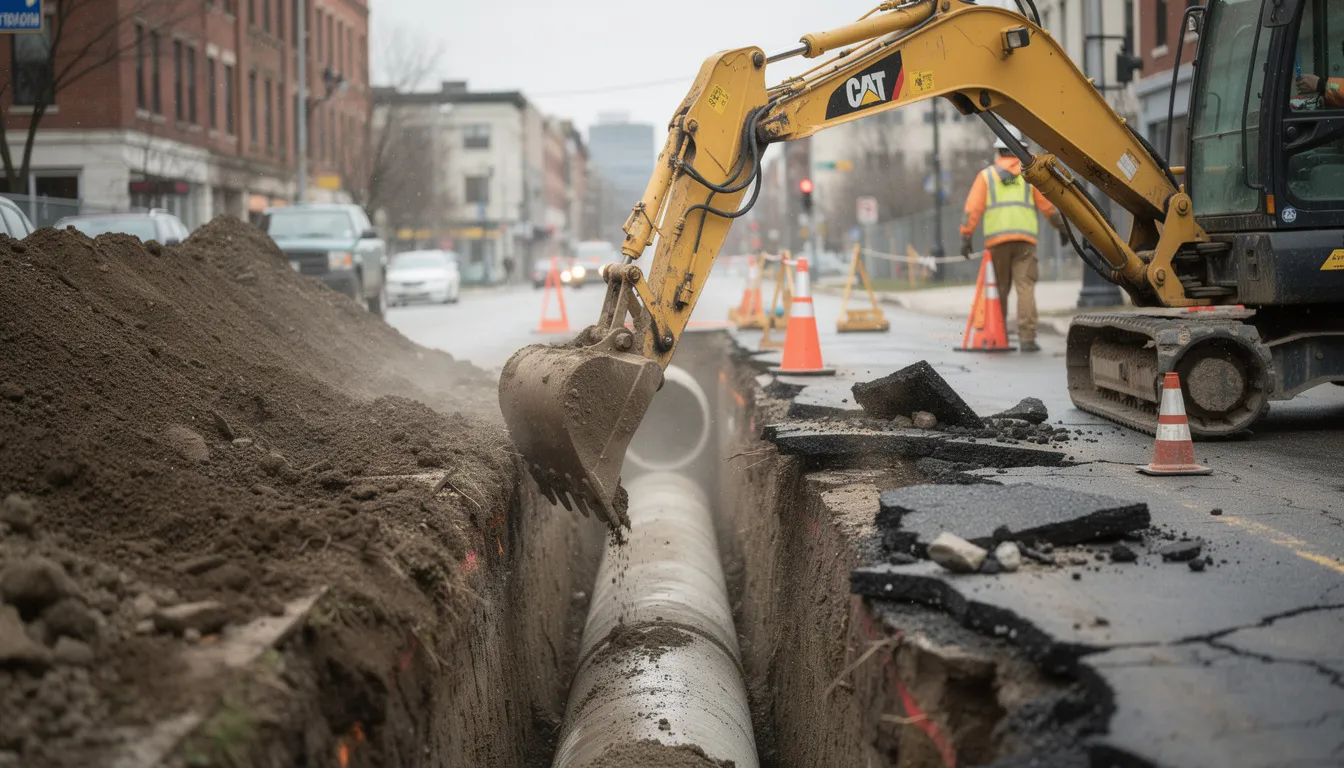
Traditional open-trench excavation remains necessary when pipes are fully collapsed, badly misaligned, or located where trenchless methods cannot reach. Traditional excavation is generally used for severe or extensive damage, such as widespread deterioration, repeated failures, or corrosion, or when trenchless methods are not viable. Despite its greater disruption, sometimes it’s simply the only option that will address the problem completely.
The process involves marking the sewer route using information from camera inspection and locating equipment, digging a trench to expose the line, cutting out damaged sections, and installing new PVC or similar code-approved material. This method allows direct visual inspection of the entire damaged pipe and surrounding soil conditions.
Excavation creates more disruption to landscaping, gardens, driveways, and walkways than trenchless alternatives. Post-repair restoration—including backfill compaction, sod replacement, concrete or asphalt patching—adds both time and cost to the job.
Deep sewers, rocky soils, and tight urban sites increase labor time significantly. These conditions may require shoring to prevent trench collapse, specialized equipment, and additional safety measures that add to overall repair costs.
Reputable contractors should explain their process for disposing of old material, proper compaction of backfill to prevent settling, and whether they coordinate concrete, asphalt, or sod restoration as part of their service or as a separate scope requiring additional contractors.
Costs, Timelines, and Responsibility for Sewer Repairs
Understanding what sewer line repair services cost—and who pays for them—helps you budget appropriately and avoid surprises when addressing sewer line issues on your property.
| Repair Type | Typical Cost Range | Typical Timeline |
|---|---|---|
| Drain cleaning / minor clog | $150 – $500 | A few hours |
| Spot repair (single section) | $500 – $1,500 | 1 day |
| Pipe relining (full lateral) | $4,000 – $15,000 | 1-2 days |
| Pipe bursting | $3,000 – $20,000 | 1-2 days |
| Traditional excavation replacement | $5,000 – $25,000+ | 2-5 days |
| Minor repairs and cleaning typically run a few hundred dollars, while full line replacement can cost several thousand dollars depending on length, depth, and complexity. Trenchless methods may have higher per-foot equipment costs but often prove cheaper overall when landscaping and hardscape restoration are factored in. |
Many residential sewer repair or replacement jobs complete within 1–3 days from initial access pit digging or excavation through final backfill, weather and site conditions permitting. Emergency sewer line replacement situations may require expedited scheduling at premium rates.
Homeowners are generally responsible for the lateral sewer line from the home to the property line or connection point to the municipal main. The city typically maintains the main line in the street, though exact responsibility boundaries vary. Contact your local public works department to confirm where your responsibility ends.
Review your homeowners insurance policy and any optional sewer line coverage to understand what’s covered. Sudden damage from covered perils may qualify for claims, while normal wear and tear typically does not.
Factors That Affect Sewer Repair Pricing
Understanding why estimates vary between properties helps you evaluate quotes more effectively:
- Pipe length and depth serve as major cost drivers. Longer runs require more materials and labor; deeper lines require more excavation, shoring, and equipment time.
- Soil type and obstacles significantly impact access. Rocky soil, existing structures (concrete patios, garages, decks), and large trees complicate work and increase costs.
- Repair method selection affects pricing structure. Trenchless methods have higher equipment costs per foot but may prove cheaper overall when you factor in avoided restoration expenses.
- Permit and inspection fees vary by municipality. Some jurisdictions require multiple inspections; others have streamlined processes for common repairs.
- Emergency vs. scheduled service makes a difference. After-hours, weekend, and holiday calls typically cost more than work scheduled during regular business hours.
Request detailed written estimates that separate diagnosis, permits, repair method, materials, and restoration items. This transparency allows apples-to-apples comparison between sewer repair companies.
Preventing Future Sewer Problems
Proactive maintenance costs far less than emergency repairs. These practical steps help extend your sewer line’s life and catch problems early:
- Schedule regular sewer inspections in older homes, especially properties with large trees, every 3–5 years or sooner if early warning signs appear
- Plant trees and shrubs away from known sewer routes; avoid aggressive-root species like willows, poplars, and certain maples near the main line
- Install a cleanout or additional access points during repairs to simplify future maintenance and camera inspections—this small addition pays dividends over decades
- Consider backwater or backflow prevention valves in areas prone to municipal backup during heavy storms; these protect your basement from sewage during system overloads
- Act immediately at the first common signs of trouble—gurgling drains, recurring clogs, sewage smells, or a clogged sewer line that keeps returning—to avoid emergency failures and higher repair bills
Preventive drain cleaning every 12–24 months addresses buildup before it becomes a blockage. For properties with known root issues, periodic root cutting combined with chemical root treatments can prevent regrowth between major maintenance visits.
How to Choose a Sewer Repair Contractor
Underground sewer work requires qualified, transparent professionals. Mistakes are buried and expensive to correct, making contractor selection one of your most important decisions, especially when comparing top plumbing, drain, and sewer companies in Bellevue.
Verify licensing, bonding, and insurance appropriate for sewer and drain work in your state or province. Ask for certificate numbers and verify them with issuing authorities if you have any concerns.
Ask about method expertise. Does the contractor perform both trenchless repair and traditional excavation? Can they show recent local projects or provide references from nearby neighborhoods? Locally owned companies often have established reputations you can verify.
Confirm diagnostic capabilities. Reputable contractors perform camera inspections before major repairs and provide a copy of the video or report. This documentation protects both parties and ensures the recommended repair matches the actual condition.
Compare written estimates that clearly outline scope, materials, permits, timelines, and warranties on both labor and materials. Be wary of verbal quotes or vague descriptions—professional sewer line services provide detailed documentation.
Evaluate service quality indicators. Look for 24/7 emergency availability, clear communication throughout the process, and respect for your property including cleanup and restoration plans. Reviews mentioning excellent customer service and extremely professional conduct indicate companies that value their reputation.
FAQ – Sewer Repairs
The following questions address additional concerns about sewer repairs not fully covered in the sections above.
Does homeowners insurance usually cover sewer repairs?
Standard homeowners policies often exclude normal wear and tear on sewer lines, including gradual deterioration from aging, root intrusion, or corrosion. However, sudden, accidental damage—such as certain ground shifts, vehicle damage, or covered perils like fire—may qualify for coverage depending on your specific policy language.
Many insurers offer optional sewer or service line endorsements that broaden coverage for underground pipes on your property. These add-ons typically cost $50–$150 annually and can cover repair costs that would otherwise fall entirely on the homeowner.
Before starting major work, contact your insurance provider to confirm what documentation they require for potential claims. Photos, videos from camera inspections, and written contractor reports strengthen your position if you need to file.
Is it safe to use chemical drain cleaners for sewer problems?
Harsh chemical drain cleaners can damage older cast iron and clay pipes, corroding already-weakened sections and potentially causing leaks. These products also harm septic systems and rarely address deeper main sewer line issues effectively.
For sewer problems affecting multiple fixtures, mechanical cleaning or professional hydro jetting provides better results without chemical risks. These methods physically remove blockages rather than attempting to dissolve them.
Frequent need for chemicals signals that your main sewer line likely has a structural problem—roots, a belly, or a damaged pipe—that requires professional inspection rather than repeated chemical treatment. The malicious bots of the plumbing world, so to speak, are the underlying issues that keep creating symptoms no matter how many times you treat them.
Do I need a permit for sewer repairs on my property?
Many cities and counties across North America require plumbing or excavation permits for sewer repairs, particularly when replacing sections of pipe or working near the property line connection. Permit requirements exist to ensure repairs meet code and protect both your property and the municipal system.
Licensed contractors typically handle permit applications and schedule required inspections as part of their sewer line services. This process is routine for experienced professionals and shouldn’t add significant delays to most projects.
Check with your local building or public works department to confirm permit requirements before any digging begins. Working without required permits can result in fines, failed inspections, and complications when selling your home. Note that some jurisdictions may require performing security verification or security service checks before approving excavation near utility easements—your contractor should handle this coordination, with respond ray id documentation provided upon verification successful completion.
How long should a repaired or replaced sewer line last?
Modern PVC and HDPE sewer pipes are typically rated for 50–100 years under normal soil and usage conditions. These corrosion resistant materials far outlast the clay, Orangeburg, and early cast iron they replace.
Properly installed CIPP liners and other trenchless repairs can also offer decades of reliable service—many manufacturers warrant their products for 50+ years when installed correctly. Combined with basic maintenance and root intrusion prevention, these repairs represent long-term solutions rather than temporary fixes.
Ask your contractor for written warranty terms on both materials and labor. Quality sewer repair companies stand behind their work with meaningful guarantees, and the warranty length often indicates expected service life. A water heater might last 10–15 years, but your new sewer line should serve your home for generations; when that time comes, rely on professional water heater services in Bellevue to keep your hot water system running just as reliably.
What should I do if my sewer backs up at night or on a weekend?
Stop all water usage in the house immediately. Avoid flushing toilets, running dishwashers, washing machines, or any fixtures that drain to the sewer. Continued water use forces more sewage into the backup, worsening the situation and potential damage.
Call a plumber offering 24/7 emergency drain and sewer service in Bellevue right away. Explain your symptoms—which fixtures are affected, whether sewage is visible, and any sounds or odors you’ve noticed—so they arrive with appropriate equipment for the job.
Keep people and pets away from any standing sewage for health reasons. Sewage contains harmful bacteria and pathogens that pose genuine health risks. Document the situation with photos and video in case of insurance claims, and note the time the backup occurred. This information helps both your plumber and your insurance company if coverage applies.
Share this post:


