


If you own a home or manage a property in the Greater Seattle area, your sewer and drain system is one of those things you never think about – until something goes wrong. A backed-up basement, a gurgling toilet, or a foul smell drifting up from a floor drain can turn a normal Tuesday into an expensive headache. This guide covers everything Puget Sound property owners need to know about how their sewer and drain systems work, what causes failures, and how to get problems fixed the right way.
Key Takeaways
Slow drains, sewer backups, or sewage smells in Bellevue, Redmond, Renton, Kent, and surrounding areas almost always point to a clogged sewer line or a failing sewer drain that needs fast, professional attention. Sewer and drainage issues are often revealed by slow drains, odors, and backups long before a full failure happens. Sewage backups require immediate emergency plumbing assistance – don’t wait for things to get worse. Emergency plumbing services are available 24/7 through Ready Rooter Washington.
If you notice any of these signs, the first steps are simple: stop using water in the house, check whether you have an accessible clean out, and call Ready Rooter Washington around the clock for emergency sewer cleaning services and a camera inspection. The sooner a professional gets eyes on the problem, the less damage you’ll face.
We handle the full range of work – from basic drain cleaning and hydro jetting to trenchless sewer line repair, full sewer replacement, septic tank-related drain issues, and scheduled preventive maintenance. Modern solutions like video camera inspections, trenchless repair methods, and whole house repiping can often solve problems with less digging, less property damage, and better long-term results.
Ready Rooter Washington is a local Bellevue-based team providing comprehensive drain and sewer services in Bellevue and Greater Seattle for residential and commercial property owners across Greater Seattle. Book service by phone or online at readyrooter4you.com – we’re ready when you need us.
How Your Sewer Drain System Works in a Typical Puget Sound Home
In a typical Puget Sound home – whether it’s a 1970s Bellevue rambler or a 1990s Redmond two-story – wastewater flows through a network of pipes that starts at every fixture in your house. Water from sinks, toilets, showers, laundry machines, and the garbage disposal drains into individual branch lines (also called fixture drains). These branch lines feed into larger horizontal and vertical pipes, eventually merging into the main house drain. That main drain exits through your foundation and connects to either the city sewer main or your private sewer lateral.
Here’s how the key components break down:
- Branch lines and drain lines: small-diameter pipes running from individual fixtures to the main drain system.
- Main house drain: the primary horizontal pipe collecting all wastewater inside the building.
- Main sewer line (lateral): the pipe running from your house to the municipal sewer system or septic tank, typically buried 3–8 feet underground.
- Floor drains: lowest-level drains in basements, garages, or laundry rooms – the first place backups appear.
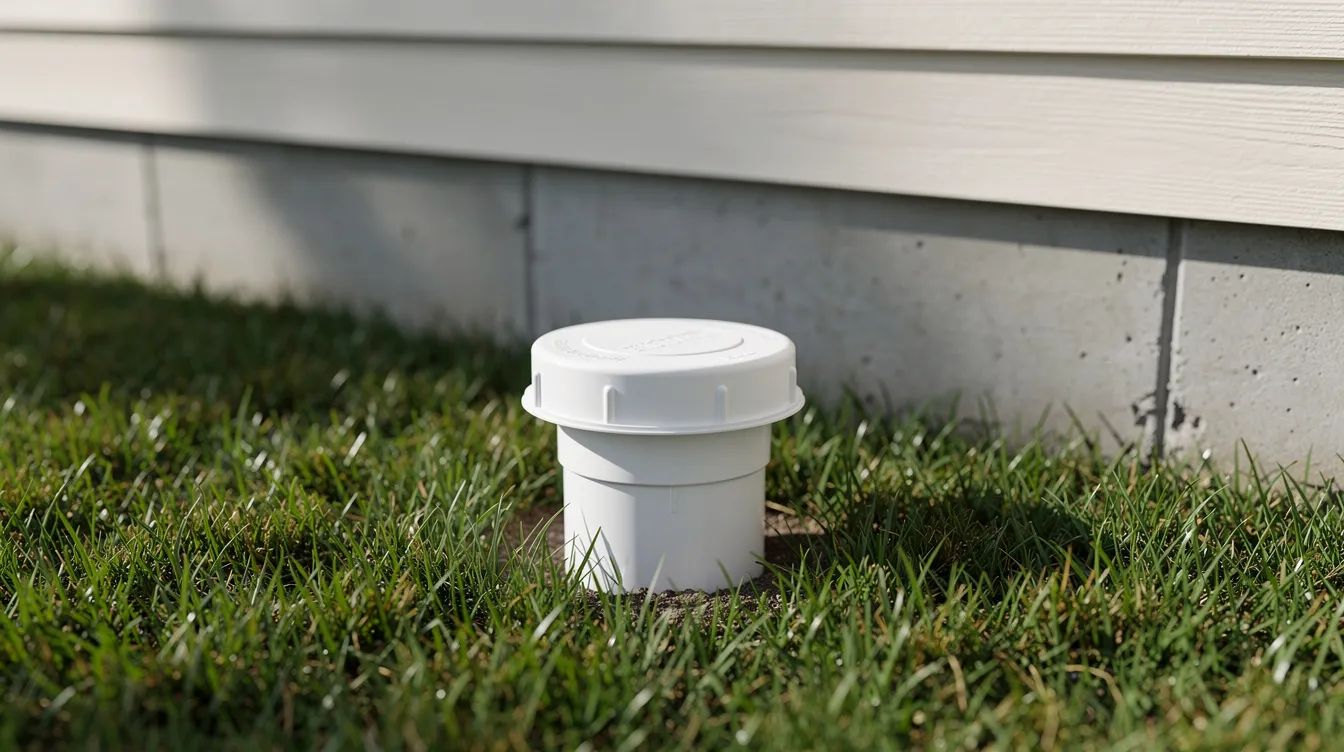
- Clean outs: capped access points (often outside the home or in the basement) that allow technicians to reach into the sewer line with cameras or cleaning equipment.
Sewer systems use gravity and pumps to maintain flow. In most residential setups, wastewater moves by gravity from your fixtures, through the house drain, and out to the street. Sewer systems collect and transport wastewater from these various sources to treatment plants, where it’s processed before discharge. Sewer lines can last for decades with proper installation, but pipe corrosion and aging can eventually lead to structural failure in sewer and drainage systems – particularly in homes built with clay, cast iron, or Orangeburg materials.
In the Puget Sound region, your wastewater goes to one of two places. If your home connects to the municipal sewer system in Bellevue or another city, your lateral feeds into the city’s network of mains and pump stations. If you’re in a rural or semi-rural area – parts of Snoqualmie, Maple Valley, or unincorporated King County – your wastewater likely flows to a private septic tank and drain field. Knowing which system you’re on matters because it affects diagnosis, repair options, and who’s responsible when something breaks.
Older homes may also have a house trap – a U-shaped fitting just before the pipe exits the foundation, designed to block sewer gas from entering the home. Over time, house traps can deteriorate or become clogged themselves. Our techs always look for the house trap and any clean out access points before starting sewer line repair or cleaning, because knowing your system’s layout saves time and prevents unnecessary work.
Common Warning Signs of Sewer and Drain Trouble
Sewer systems are essential for public health by preventing waterborne diseases, but when your system starts failing, the warning signs are hard to miss. Here’s what property owners in Bellevue, Kirkland, Issaquah, and surrounding areas commonly notice before a full failure:
- Slow drains in multiple fixtures – when more than one sink, tub, or shower takes longer than usual to empty
- Gurgling toilets when another fixture runs (the shower, washing machine, or kitchen sink)
- Sewage smells indoors – in the basement, near floor drains, or around bathroom fixtures
- Sewage smells outdoors – particularly near the path of the sewer line
- Water pooling around floor drains or backing up into the lowest fixtures
- Frequent need for a plunger on toilets or tubs that used to drain fine
When backups happen simultaneously – say the basement tub, the main-floor toilet, and the kitchen sink are all slow or backing up – that pattern typically points to a clogged sewer line rather than a single clogged drain. A lone sluggish sink is usually a branch-line issue. Multiple fixtures affected at once means the blockage is farther downstream.
Watch for exterior clues, too. Lush green patches in the lawn directly over the sewer line, sunken areas in the yard, or wet spots between the house and the street can all signal a leak or broken main sewer line underground.
Call Ready Rooter Washington when these signs first appear or reach out through our 24/7 drain and sewer contact line in Bellevue. Catching a developing problem early can prevent raw sewage from flooding your home and turn what would have been a costly emergency into a manageable repair.
Is My Sewer Drain Clogged? Quick Home Checks Before You Call
Before a technician arrives, there are a few safe checks you can do to help narrow down what’s happening – and more importantly, to avoid making things worse.
Start at the bottom. Check the lowest-level drains in your house first: the basement floor drain, a first-floor bathtub, or the laundry room drain. If water is standing there or sewage is visible, the problem is almost certainly in the main sewer drain, not in a single fixture.
Work your way up. Flush a main-floor toilet. Run water briefly in the kitchen sink. If doing either causes water to rise in a lower-level drain, that confirms a downstream blockage affecting multiple fixtures.
How to tell the difference: A single blocked sink or toilet that drains slowly while everything else works fine is likely a localized clog – soap scum, hair, or debris in that fixture’s branch line. But when multiple fixtures are affected, you’re dealing with a main sewer line problem that needs professional diagnosis.
Safe immediate steps:
- Stop flushing toilets
- Don’t run dishwashers or washing machines
- Look for visible clean out caps outside the home or in the basement/garage – if the cap is leaking or saturated, that’s a strong indicator
If sewage is visible in tubs or floor drains, stop all water use and call Ready Rooter Washington immediately for professional drain cleaning and sewer line diagnosis. Emergency plumbing can prevent further damage to your property.
Top Causes of Clogged Sewer Lines in the Greater Seattle Area
Our region’s mix of older homes, heavily treed neighborhoods, and extended rainy seasons makes certain sewer line problems especially common. Here are the causes we see most often:
- Flushing the wrong things: flushable wipes, baby wipes, feminine hygiene products, cotton swabs, dental floss, and heavy paper products like paper towels. Even wipes labeled flushable don’t break down like toilet paper.
- Grease buildup: cooking oil, bacon fat, and sauces poured down kitchen drains. Grease can solidify in pipes, causing tough blockages – especially in cooler pipe sections or where the line has low slope.
- Garbage disposal misuse: fibrous scraps, coffee grounds, and large food pieces that accumulate and restrict flow.
- Foreign objects: kids’ toys, rags, or items accidentally dropped into toilets.
Clogs in sewer systems can result from various materials including grease and hair – and in the Greater Seattle area, those are just the beginning.
Region-specific causes include:
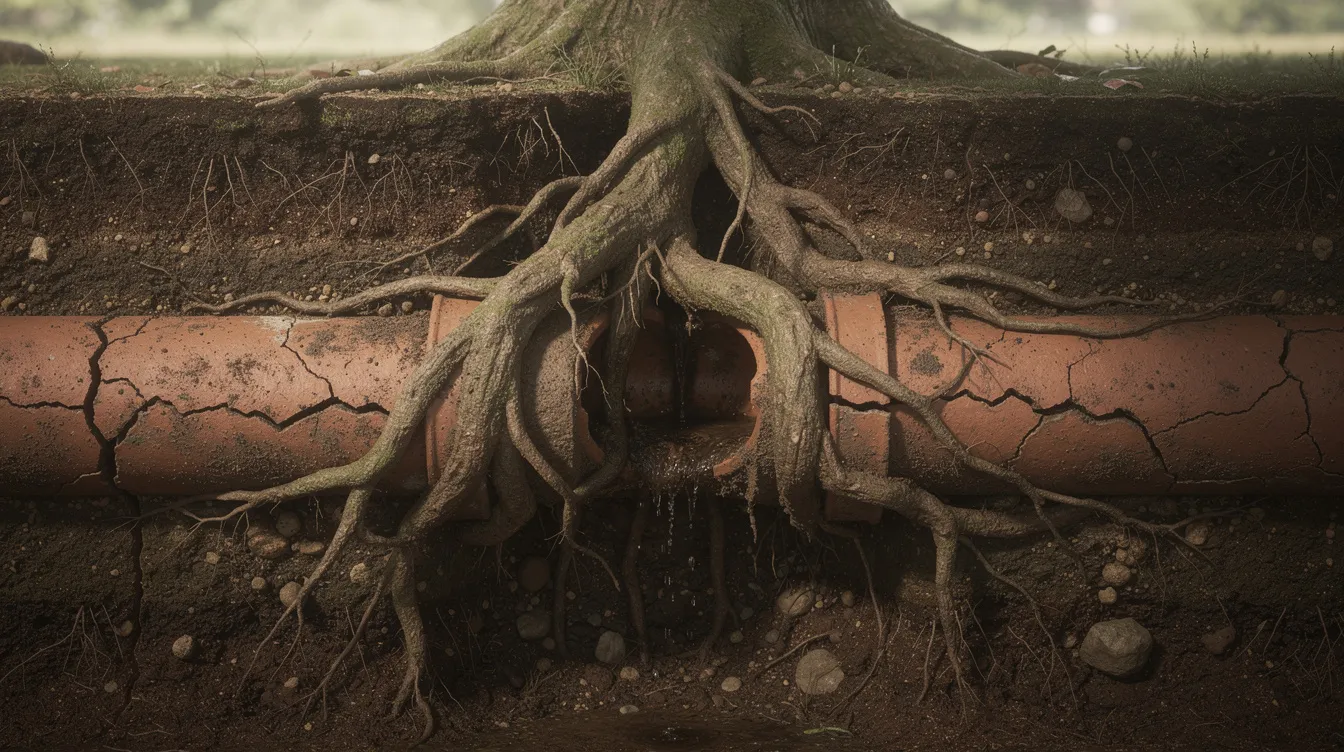
- Tree root intrusion from large firs, cedars, and maples that seek out moisture from tiny joint separations in clay, concrete, or aging cast iron sewer pipes.
- Ground movement on hillsides, from seasonal soil expansion, and from nearby construction activity that shifts or sags buried lines.
- Aging pipe materials in pre-1970 properties: clay, cast iron, and Orangeburg (a compressed wood-fiber pipe that degrades and collapses over time).
Limescale buildup can also block sewer lines over time, especially in hard-water pockets around Puget Sound. Mineral deposits gradually narrow the internal diameter of the pipe until flow slows and debris catches, forming a stubborn clog.
Ready Rooter Washington uses camera inspections to verify the exact cause before recommending sewer cleaning services or sewer line repair – because the right fix depends entirely on what’s actually happening inside the pipe.
Flushing, Grease, and Garbage Disposal Habits That Create Sewer Problems
Your daily habits have a direct impact on how often you’ll need drain cleaning and sewer maintenance. Most property owners don’t realize how quickly the wrong items can accumulate inside a sewer drain.
What should never go into toilets:
- Baby wipes and “flushable” wipes
- Paper towels and facial tissues
- Feminine hygiene products
- Cotton swabs and dental floss
- Any product that doesn’t dissolve like single-ply toilet paper
Despite marketing claims, flushable wipes do not break down in sewer pipes the way toilet paper does. They snag on rough joints, roots, and scale, building up until the line is completely blocked.
Kitchen drains are the other major culprit. Pouring cooking oil, bacon grease, and sauces down the sink – even with hot water running – leads to problems. The grease cools and solidifies inside the sewer line, especially where it meets roughened pipe walls or where the pipe has partial obstructions. Over time, these deposits harden into something resembling concrete.
Garbage disposal habits matter too. Overloading the disposal with fibrous foods (celery, onion skins, artichoke leaves), coffee grounds, eggshells, and large food scraps pushes material into the drain system that doesn’t break down easily. This debris settles in low spots and combines with grease to form persistent clogs.
Simple habit changes that make a difference:
- Scrape plates into the trash before washing
- Use sink strainers to catch food particles
- Wipe greasy pans with a paper towel before rinsing
- Schedule periodic professional drain cleaning for busy households, rentals, or properties with heavy kitchen use
Tree Roots, Ground Movement, and Other Underground Sewer Line Threats
Many clogged sewer line calls in older Bellevue and Seattle neighborhoods trace back to tree roots and shifting soil – not just what went down the drain.
Tree roots can damage sewer lines by splitting pipes. Roots naturally seek moisture, and even a hairline crack or a slightly separated joint in a clay or concrete pipe is enough of an invitation. Once roots enter the sewer line, they grow rapidly, trapping debris, grease, and other material. Tree roots can damage sewer lines 100% of the time if left unchecked – they don’t stop growing. Eventually, roots can fracture pipes completely, requiring excavation or replacement.
Ground movement is the other major underground threat. Seasonal freeze-thaw cycles, hillside settling, and nearby construction can shift the soil around buried sewer pipes. This causes “bellies” (sagging sections where water pools), joint separations, and in severe cases, pipe collapses. Puget Sound’s wet winters saturate soils, increasing pressure on aging lines and making ground movement worse.
Ready Rooter Washington uses camera inspections to confirm root intrusion, then removes roots with motorized augers or hydro jetting depending on severity and pipe condition. After clearing, we recommend long-term repair options if the pipe is damaged beyond cleaning.
When the same section of sewer line clogs repeatedly – even after thorough cleaning – a full sewer line replacement or trenchless sewer line repair often becomes more cost-effective than paying for repeated service visits.
When the Problem Is Beyond Your Property: City Sewer and Shared Lines
Your private sewer lateral connects to the city sewer main – typically located under the street or alley. The lateral is the section between your home and that connection point, and in most jurisdictions, it’s the property owner’s responsibility to maintain.
Sometimes the problem isn’t on your property at all. If several houses on the same block in Bellevue or Renton experience simultaneous sewer backups, that typically points to a blockage or failure in the municipal sewer system rather than any one homeowner’s lateral. Bellevue’s wastewater network includes more than 520 miles of mainline sewer pipes and over 13,000 manholes, and even well-maintained city systems can experience problems.
Where does your responsibility end and the city’s begin? It varies by jurisdiction. In Bellevue, the city’s Wastewater Division handles maintenance and repairs of city-owned main sewer lines, including service connections within rights-of-way and easements. The private side sewer – from your house to the public main – is generally your responsibility. Confirm with your local public works department if you’re unsure.
Ready Rooter Washington can help document and confirm suspected city main problems with video evidence, giving you the documentation you need when contacting the local utility or public works department. We advise contacting both your plumber and the city when widespread or street-level issues are suspected.
Septic Tanks, Full Systems, and How They Affect House Drains
Many properties in Snoqualmie, Maple Valley, and parts of unincorporated King County rely on private septic systems rather than municipal sewer connections. If you’re on septic, your drain issues may have a completely different root cause than homes connected to city sewer.
A septic tank collects solids from your wastewater. Liquid effluent drains from the tank into a drain field (leach field), where it’s absorbed into the soil. When the tank is full, the drain field is saturated from heavy rainfall, or the system is overloaded by high household water use, the system can’t process wastewater fast enough. The result inside your home can mimic a clogged main sewer line: slow drains throughout the house, backups in lowest-level fixtures, and sewage odors.
Warning signs of septic problems specifically:
- Sewage odors in the yard, particularly near the tank or drain field
- Very green, soggy patches above the drain field or tank area
- Slow drains throughout the home (not just one fixture)
- Gurgling or bubbling in toilets and sinks
Ready Rooter Washington can diagnose whether the problem is inside your house plumbing, in the main sewer line between the house and the septic tank, or whether the issue requires septic pumping or upgrades by a septic specialist. We work with the septic to sewer conversion process when homeowners are ready to make the switch.
King County requires gravity septic system inspections every three years, while more complex systems (pressure distribution, mound, ATUs) need inspections every six months. Most septic tanks in King County need pumping every 3 to 5 years depending on household size, the volume of the tank, and whether a garbage disposal is in use. Don’t attempt to dig around septic components yourself – leave that to licensed professionals.
DIY Steps for Minor Drain Issues (and When to Stop)
Minor sink or tub clogs can sometimes be handled by homeowners, but sewer backups or any sign of raw sewage should always involve a professional. Your safety comes first.
Safe DIY options for minor, single-fixture clogs:
- Plunging: Use a cup plunger for sinks, a flange plunger for toilets. A few firm pumps can dislodge simple blockages.
- Plastic hair snake: A cheap barbed strip pulled through a bathroom sink or shower drain can remove hair and soap scum clogs effectively.
- Hot water flush: Boiling water can help clear food and grease clogs in metal kitchen pipes. Pour slowly in two or three stages. (Avoid boiling water on PVC – very hot tap water is safer.)
- Baking soda and vinegar: Baking soda and vinegar can clear simple sink drain clogs. Pour half a cup of baking soda followed by half a cup of vinegar, wait 30 minutes, then flush with hot water.
What to avoid: Harsh chemical drain cleaners are risky, especially in older metal or fragile pipes. They can corrode pipe walls, weaken joints, and create hazardous conditions for technicians who work on the line later.
Hard stop points – call a professional when you see any of these:
- Sewage visible in tubs or floor drains
- Repeated clogs in multiple fixtures
- Foul sewer smells that won’t go away
- Water rising in one drain when another fixture is used
Professional plumbers use advanced tools for emergency repairs that go far beyond what a plunger or store-bought snake can accomplish. Contact Ready Rooter Washington 24/7 rather than risking your health or causing structural damage.
Professional Drain Cleaning: How We Clear Tough Clogs
There’s a significant gap between store-bought drain solutions and professional drain cleaning. Store products address surface-level symptoms. Professional cleaning addresses the actual problem – and does it without damaging your pipes.
Our technicians use motorized augers (commonly called “drain snakes”) to mechanically break through clogs in kitchen sinks, showers, toilets, and main sewer lines. A motorized auger feeds a flexible steel cable into the pipe, with a cutting head that breaks apart or retrieves the blockage. This is effective for localized clogs like hair mats, soap scum buildup, or small root fragments.
For more stubborn or widespread problems, we move to hydro jetting – a high-pressure water method that scours the full interior circumference of the pipe, removing grease, roots, sediment, and scale. Hydro jetting is ideal for long sewer runs, commercial drain systems, and lines with years of accumulated buildup.
Ready Rooter Washington often combines augering with camera inspections before and after cleaning to verify that the sewer drain is fully clear and no structural damage is lurking behind the clog. This approach gives you an accurate answer about what caused the problem and whether your line needs further attention.
Benefits of professional cleaning over DIY:
- Faster drainage restored across all fixtures
- Fewer sewer backups in the months and years ahead
- Better long-term performance from your drain system
- Documentation of pipe condition for future reference
Hydro Jetting: Deep Cleaning for Stubborn Sewer and Drain Lines
When traditional snaking isn’t enough – when grease has coated the walls of a long sewer run, when mineral scale has narrowed the pipe by half, or when roots keep growing back – hydro jetting is the answer.
Hydro-jetting uses high-pressure water to clear clogs. A specialized jetting hose is inserted through a clean out or access point, and precisely controlled water pressure (often 3,000–4,000 PSI for residential lines) propels nozzles through the pipe, cutting through grease, roots, and scale along the full length. The debris is flushed downstream and out of your system.
Ideal use cases for hydro jetting:
- Restaurants and commercial kitchens with heavy grease loads
- Multifamily buildings with repetitive backups in shared lines
- Older residential sewer lines with years of accumulated buildup
- Lines where camera inspection has revealed significant wall coating or scale
Hydro-jetting can remove tree roots from sewer lines, and hydro-jetting is effective for stubborn drain blockages that snaking alone can’t resolve. It can restore the internal diameter of the pipe, improving flow and helping prevent flooding in low-lying areas of the home. Hydro-jetting can restore full function without damaging pipes when operated by trained technicians who match pressure settings to the pipe material.
Ready Rooter Washington technicians are trained to select safe pressures for different pipe materials – lower PSI for older cast iron or clay, higher for modern PVC – to avoid causing damage. We typically pair jetting with a camera inspection to document before-and-after results so you can see exactly what was accomplished.
Camera Inspections and Clean Outs: Seeing Inside Your Sewer Line
A camera inspection lets you see exactly what’s happening inside your sewer line without unnecessary digging. It’s one of the most helpful diagnostic tools available, and it’s the foundation of accurate sewer work.
The process is straightforward: a small, waterproof camera is fed through an existing clean out, toilet line, or roof vent. The camera transmits live video to a monitor, recording everything as it travels through the pipe. A locator (sonde) built into the camera head lets the technician map the depth and position of any problems from above ground.
What technicians look for on camera:
- Root intrusion and root mass size
- Offset joints and pipe separations
- Collapsed or crushed sections
- Standing water indicating bellies or low spots
- Foreign objects and debris accumulation
- Pipe material condition (corrosion, cracks, scale)
Camera inspections locate sewer line issues accurately, and video inspections help diagnose drain problems without excavation. Sewer camera inspections can prevent costly repairs later by catching developing problems before they become emergencies. Advanced cameras can identify root infiltration in pipes even when the roots haven’t yet caused a complete blockage.
Locating or installing an accessible clean out can simplify future sewer cleaning and repair work and often reduces overall labor costs. If your home doesn’t have an exterior clean out – common in some older construction – we can install one during a service visit.
Ready Rooter Washington provides video documentation and snapshots for property owners, property managers, and real-estate transactions. This documentation is helpful for insurance claims, sale disclosures, and planning future maintenance.
Signs Your Home Needs Sewer Line Repair Rather Than Just Cleaning
Some issues come back even after thorough cleaning. When that happens, the problem is typically structural – and the line needs sewer line repair or replacement rather than another round of clearing.
Key indicators that repair is needed:
- Recurring clogs in the same section of pipe, even after professional cleaning
- Visible cracks, separations, or offset joints on camera inspection
- Significant root intrusion that can’t be completely removed without damaging the pipe further
- Sections of pipe that have collapsed, bellied, or lost structural integrity
External signs to watch for include sinkholes in the yard, persistent soggy spots, or foundation cracks near the sewer line trench. These are especially common in homes built during the 1960s–1980s when clay and early PVC were common construction materials. Pipe corrosion and aging accelerate these failures, particularly in lines that were exposed to root damage or ground movement for decades.
Ready Rooter Washington evaluates sewer repair options based on pipe material, depth, length of damage, and accessibility. We provide clear, upfront estimates and explain every option before any work begins. We always encourage customers to request a camera inspection and written repair plan before agreeing to any major excavation.
Trenchless Sewer Line Repair and Replacement Options
Trenchless sewer line repair methods can often fix broken sewer pipes with far less disruption to your landscaping, driveways, and sidewalks than traditional digging.
Modern trenchless techniques include pipe lining and bursting:
- Pipe bursting replaces damaged pipes without extensive digging. A bursting head is pulled through the old pipe, fracturing it outward while simultaneously pulling a new pipe into place behind it.
- Pipe lining (CIPP): a resin-coated liner is inserted into the existing pipe and cured in place, creating a new pipe-within-a-pipe. Seattle Public Utilities has used this technology extensively to rehabilitate critical sewer pipes, extending their life by 50 or more years.
- Spot repairs: only the damaged section is replaced via a small, targeted excavation.
Trenchless methods minimize excavation during sewer line replacement. Trenchless sewer repair protects landscaping and driveways – a major concern for homeowners with mature gardens, expensive hardscaping, or shared driveways. In many cases, trenchless repairs can be completed in one day, getting your system back online with minimal disruption.
When trenchless methods are ideal:
- Long, straight runs under driveways or patios
- Properties with mature landscaping that would be costly to restore
- Lines where the pipe walls are deteriorated but the path is intact
It’s worth noting that trenchless methods aren’t permitted everywhere – for example, sewer liners are not permitted in New York City due to local code restrictions. Here in the Puget Sound area, trenchless sewer line repair is widely accepted, but Ready Rooter Washington always checks local Bellevue and Greater Seattle permitting requirements and coordinates inspections for code-compliant work.
Trenchless methods minimize excavation during sewer repairs overall, and when comparing them to traditional excavation, they typically involve shorter timelines, less surface restoration, and comparable or lower total costs when factoring in landscape repair.
Traditional Excavation, Construction Repairs, and House Trap Work
Sometimes traditional excavation is still the best – or only – option for severe sewer line damage. When pipes are completely collapsed, missing sections are found, or the layout prevents trenchless equipment from working, open-trench repair is necessary.
What an excavation job looks like:
- Locating buried utilities (gas, water, electrical, telecom) to prevent accidental damage
- Digging a trench along the sewer path to expose damaged sections
- Removing broken or deteriorated pipe
- Replacing with modern materials – typically schedule-40 PVC or engineered plastics
- Backfilling, compacting, and restoring the surface (lawn, driveway, walkway)
Nationally, about 10% of sewer clogs require excavation for repair. That same statistic holds for sewer drain clogs – roughly 10% of sewer drain clogs require excavation for repairs. The rest can be resolved with cleaning, jetting, or trenchless methods. But when excavation is the right call, doing the job properly with quality materials means the replacement can last decades.
Older homes with house traps or buried, inaccessible clean outs may need partial excavation to correct outdated or unsafe configurations. Replacing a deteriorated house trap or adding an accessible clean out during repair work is a smart investment that simplifies all future maintenance.
Ready Rooter Washington takes care to minimize yard disruption, protect nearby structures, and restore surfaces as agreed in advance. For very deep or complex excavations, we coordinate with specialized equipment and strictly follow safety and shoring standards required by local engineering codes.
Storm Drains, Sump Pumps, and Basement Water Issues
Storm drainage and foundation water problems often get mistaken for sewer backups, especially during heavy Puget Sound rain events. Understanding the difference matters because the fix is completely different.
Drainage systems collect and convey surface water to local water bodies without treatment. Your home’s storm drains – roof downspout drains, driveway drains, and yard catch basins – are designed to channel rainwater away from your foundation and into the municipal storm system or a daylight point on your property. Sewer systems typically transport contaminated wastewater to treatment facilities before discharge, but storm water follows a separate path.
Combined systems can handle both sewage and stormwater but can overflow in heavy rainfall, which is one reason some older neighborhoods experience backup issues during major storms. Effective stormwater management involves controlling runoff to protect water quality, and drainage systems mitigate flooding by channeling excess surface water away from urban areas. Failure of drainage systems can lead to urban flooding, road damage, and environmental hazards.
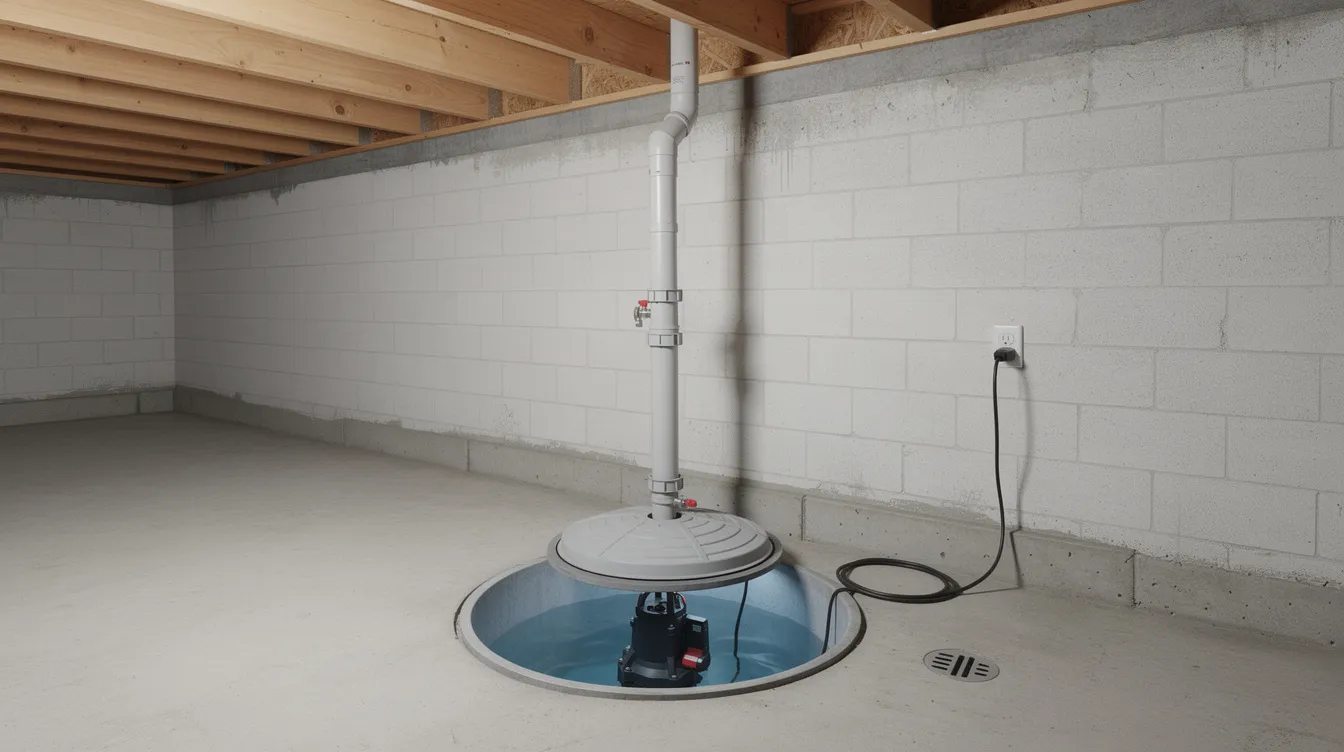
Sump pumps play a critical role in basements and crawl spaces. Sump pumps prevent basement flooding during heavy rain by collecting water that seeps in through the foundation and pumping it away from the home. A sump pump can remove up to 2,000 gallons of water per hour, making it essential flood-protection equipment. Regular sump pump maintenance can extend its lifespan significantly – testing the pump, cleaning the pit, and checking the discharge line should happen at least annually. Sump pumps are essential in flood-prone areas to protect homes from water damage.
When a sump pump fails or a storm drain line is clogged with leaves and debris, standing water or minor flooding in the basement is the result. Ready Rooter Washington services many of these related systems – clearing storm drain lines, repairing sump pump discharge piping – and can distinguish storm water issues from sewer backups so you get the right fix the first time.
We recommend cleaning exterior drains and testing sump pumps each fall before the rainy season arrives to prevent flooding before it starts.
Preventive Maintenance to Avoid Sewer Backups and Emergencies
A small investment in prevention can save thousands in emergency repairs and property damage. Most late-night sewer calls we receive could have been avoided with periodic maintenance.
Routine inspections help identify and prevent sewer and drainage problems before they escalate. Here’s a practical maintenance schedule:
| Property Type | Recommended Drain Cleaning | Camera Inspection |
|---|---|---|
| Low-occupancy home, no history | Every 2–3 years or as needed | Every 3–5 years |
| Busy household, older plumbing | Annually | Every 1–2 years |
| Rental property | Annually or biannually | Every 1–2 years |
| Restaurant / commercial kitchen | Quarterly or more | Annually |
| Home with past sewer backups | Biannually | Annually |
Household practices that reduce sewer problems:Educate family members or tenants about what not to flush (only toilet paper belongs in toilets)
- Scrape plates into the trash before washing dishes
- Never pour grease, oil, or food scraps down drains
- Use sink strainers in kitchen and bathroom sinks
Property managers should keep a log of past sewer backups, including locations, dates, and what was found. This history helps Ready Rooter Washington target chronic problem areas and recommend the right preventive plan.
We design preventive maintenance plans for multifamily, restaurant, and commercial clients across Greater Seattle. Regular service minimizes downtime, reduces emergency calls, and keeps your drain system functioning reliably year-round.
Why Property Owners in Bellevue and Greater Seattle Choose Ready Rooter Washington
Ready Rooter Washington is a local, full-service plumbing, drain, and sewer company in Bellevue, WA serving the wider Puget Sound area. We’re not a franchise call center – we’re the team that shows up, does the job, and stands behind the work.
What sets us apart:
- 24/7 emergency service – sewer backups don’t wait for business hours, and neither do we
- Experienced sewer technicians with training in camera inspection, hydro jetting, trenchless repair, and traditional excavation
- Transparent estimates – we explain what we found, what we recommend, and what it costs before starting work
- Residential and commercial service for homeowners, property managers, restaurants, and multifamily buildings
Beyond sewer and drain work, we offer a full range of plumbing services. Our water heater services in Bellevue include installation for both tank and tankless models. Traditional tank water heaters store 20 to 80 gallons of water, while tankless water heaters provide hot water on demand without a storage tank. Water heater installation can improve energy efficiency by 30%, and proper installation ensures a water heater lasts 10 to 15 years. Electric water heaters require a dedicated circuit for installation, which our team handles as part of the job.
We also provide whole house repiping for aging or corroded pipes. Whole house repiping replaces old pipes with new ones, and repiping can improve water pressure and quality throughout the home. Repiping is often necessary for aging or corroded pipes, and trenchless methods minimize yard disruption during repiping when conditions allow. Additional services include sump pump repair, main water service repair, pressure reducing valve installation, and boiler-related plumbing connections.
Customer-friendly offerings:
- Online booking through readyrooter4you.com
- Prompt arrival windows
- Veteran discounts
- Special offers like free inspections with qualifying service minimums
We take pride in delivering great service on every job – from a simple drain call to a complete sewer line replacement. Call Ready Rooter Washington or visit readyrooter4you.com today to schedule sewer cleaning, a camera inspection, or sewer line repair.
FAQs About Sewer and Drains in the Puget Sound Region
How often should I schedule professional drain cleaning for my home?
Low-occupancy homes with no history of issues may only need professional drain cleaning every few years or when problems arise. Busy households, rental properties, and homes with older plumbing in Bellevue, Seattle, or Renton benefit from annual or biannual service. Properties with frequent cooking, heavy garbage disposal use, or past sewer backups should consider more frequent cleaning and periodic camera inspections to catch developing problems before they cause backups.
What does a typical sewer camera inspection involve and how long does it take?
The process starts with locating a clean out or access point, then feeding a waterproof camera through the sewer line. The camera records video as it moves through the pipe, and the technician reviews findings in real time – pointing out roots, cracks, offsets, bellies, or debris to the property owner. Most residential inspections take 45 to 90 minutes depending on access and pipe length. Ready Rooter Washington can usually provide same-day or next-day appointments for camera work.
Can trenchless sewer line repair be done in every situation?
Trenchless methods require certain conditions to work properly: enough straight pipe length, an acceptable pipe layout without severe directional changes, and compliance with local codes and permitting rules. Severe collapses, complex routing, or completely inaccessible sections may still require traditional excavation. Ready Rooter Washington evaluates this on a case-by-case basis during the camera inspection and will always recommend the approach that gives you the best long-term result for your specific situation.
Will my homeowners insurance cover sewer line repair or replacement?
Coverage varies widely by policy and insurer. Some policies include sewer line coverage as a standard feature; others require a separate rider or endorsement. Homeowners in Washington should review their specific policy or talk to their insurance agent before an emergency happens. Ready Rooter Washington can provide detailed invoices, camera footage, and written reports to support insurance claims when coverage is available.
What should I do first if sewage is backing up into my basement or tub?
Immediately stop all water use in the home – no flushing toilets, no running showers, no laundry, no dishwashers. Every gallon of water you add to the system will make the backup worse. Keep people and pets away from contaminated areas, as raw sewage carries serious health risks. Then call Ready Rooter Washington for 24/7 emergency response. Attempting to clear a main sewer backup yourself with store-bought tools or chemicals risks making the situation worse and can create unsafe conditions.
Share this post:


