


If you own a home in Bellevue or anywhere in the Puget Sound area, understanding what a sewer camera inspection costs-and what you actually get for that money-can be the difference between a small, planned expense and a five-figure emergency dig in your front yard. This guide breaks down real pricing for 2026, explains what drives the cost up or down, and shows you how to get the most value from every dollar you spend on sewer diagnostics.
Key Takeaways
- Most sewer camera inspections in the Greater Seattle area cost between $200 and $650, with Ready Rooter Washington often crediting part or all of that fee toward drain cleaning or repairs. Sewer camera inspection cost depends on access, pipe condition, and property type.
- A simple residential sewer camera inspection of a main sewer line with easy clean out access is usually on the lower end of the range, while complex, deep, or cast iron lines with heavy buildup push pricing to the higher end. Sewer scope inspection cost can reach $900 or more for commercial properties or difficult-access scenarios.
- Camera inspection is far cheaper than sewer repair, which can run from $1,500 to $20,000 or more. Early diagnosis through sewer inspections can save money and help you avoid major emergencies that damage your home and yard.
- Ready Rooter Washington offers camera inspection, drain cleaning, and hydro jetting 24/7 across Bellevue and the Puget Sound region, often with specials like discounted or free sewer camera inspection with qualifying service.
- Homeowners can reduce costs by maintaining accessible clean outs, scheduling sewer line inspection before a home purchase, and bundling camera inspection with drain cleaning when they already have a slow drain or running toilet issue.
What Is a Sewer Camera Inspection?
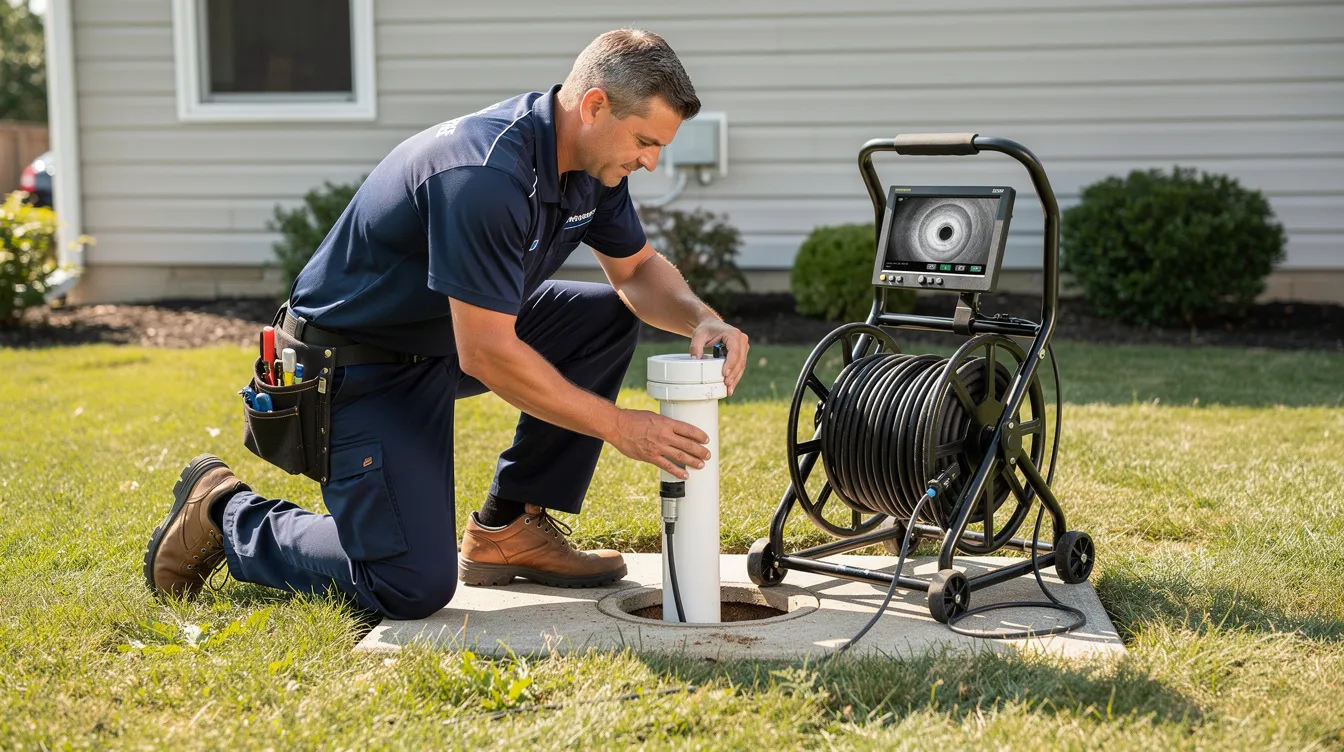
A sewer camera inspection-also called a camera inspection or sewer scope-uses a waterproof, high-resolution sewer camera fed through the main sewer line to visually inspect the inside of the pipe. A sewer camera inspection uses a waterproof camera to diagnose issues ranging from minor clogs to full structural failure, all without breaking ground.
Here’s how the process works:
- A flexible camera head on a push rod is inserted through an existing clean out, toilet opening, or roof vent to travel through the sewer pipes.
- The camera looks for cracks, root intrusion, bellies, broken cast iron sections, and heavy grease or scale buildup.
- Sewer cameras provide real-time video footage of the pipe’s condition, so the technician and homeowner can see exactly what’s happening inside the line.
The technician views live video on a monitor and may record the inspection to a USB drive or cloud link, mark depths with a distance counter, and locate problem spots from the surface using a 512 Hz sonde transmitter. Camera inspections are faster and less invasive than traditional methods like exploratory digging, making this the standard diagnostic tool for sewer issues in 2026.
Why Sewer Camera Inspections Matter for Your Home
In the Seattle–Bellevue area, recurring drain backups, slow drains in multiple fixtures, and basement floor drains overflowing during heavy rain are common complaints-especially in neighborhoods with aging infrastructure. A sewer line camera inspection is the fastest way to find the actual cause instead of guessing.
Key benefits include:
- Precise diagnosis of main sewer line issues. The camera can distinguish between a minor clog that needs snaking and a collapsed pipe that requires excavation, saving you from repeated service calls that never fix the real problem.
- Inspections help identify clogs, leaks, and structural issues. Sewer camera inspections can find tree roots, cracks, corrosion, and hidden blockages that would otherwise go undetected until they cause serious damage.
- Protection for older homes. Houses built before the 1980s in Bellevue and surrounding areas often have original cast iron or clay pipes, where hidden corrosion and joint offsets are common. Early detection of plumbing issues can prevent expensive repairs associated with pipe damage in these materials.
- Real estate and peace-of-mind uses. Home buyers can use sewer inspections to negotiate repairs or credits before closing. Pre-purchase sewer scope inspections are increasingly standard in the Puget Sound market for homes over 30 years old.
Sewer camera inspections identify clogs and leaks early, and inspections can prevent major plumbing emergencies that would otherwise cost thousands.
Average Sewer Camera Inspection Costs in 2026
Sewer camera inspections cost between $100 and $600 on average nationally, while sewer scope inspections typically range from $250 to $1,200 depending on complexity and location. For the Greater Seattle and Bellevue market, expect the following:
| Scenario | Typical Cost Range |
|---|---|
| Basic residential inspection with accessible clean out | $200–$400 |
| Residential inspection with difficult access (no clean out, toilet removal) | $375–$750 |
| Full-service inspection with HD video, depth locating, written report | $250–$500 |
| Commercial, multi-family, or long/complex lines | $500–$900+ |
| Emergency / after-hours inspection | 1.5×–2.5× standard rate |
Basic camera inspections of a straightforward residential main sewer line with an accessible clean out and no severe blockages usually fall on the low end of this range. Average costs in Bellevue tend to center around $300 for a standard residential job.
Commercial buildings, multi-family properties, or inspections involving multiple branches, long runs, or difficult access are more likely to land in the $500–$900 range or higher. These require specialized equipment and more time on site.
Some companies-including Ready Rooter Washington when promotions apply-may discount or fully credit the camera inspection fee toward sewer repair, hydro jetting, or drain cleaning if you choose to proceed with recommended work.
Main Factors That Affect Sewer Camera Inspection Cost
Inspection cost is driven by time on site, complexity of the plumbing system, and any extra services needed beyond simply running the camera. Sewer inspection costs vary based on location, pipe condition, and access difficulty-and those factors can swing your bill by hundreds of dollars.
The high-level cost drivers include:
- Length and depth of the main sewer line
- Ease of access (clean out vs. toilet removal vs. roof vent entry)
- Condition and material of the pipe (PVC vs. cast iron vs. clay)
- Property type (residential vs. commercial properties)
- Equipment quality and level of documentation provided
- Local labor costs and geographic location
- Accessibility of the sewer line, which affects inspection costs significantly
Each of these is covered in detail below.
Length and Depth of the Main Sewer Line
Most single-family homes in the Bellevue area have 50 to 120 feet of sewer line between the house and the city sewer connection, which keeps inspection time reasonable. Sewer line lengths less than 50 feet generally cost less to inspect because the technician can complete the run quickly with standard equipment. Longer sewer lines increase inspection costs proportionally.
Longer runs-common on hillside homes with long driveways or large lots-increase the time needed to run the camera and may require additional push rods or more advanced equipment, raising cost. Deeper buried lines, especially those under driveways or at steep slopes, can be harder to locate and mark from the surface, adding labor time.
If multiple branches or additional building drains need inspection beyond the primary main line, companies often charge per additional line or per extra 30 to 60 minutes of work.
Property Type: Residential vs. Commercial
Residential sewer camera inspections usually involve one main sewer line and perhaps a branch or two, keeping costs moderate and predictable for most homeowners. Commercial properties have more complex plumbing systems than residential ones, which is why their inspections cost more.
Commercial buildings, restaurants, and multi-family properties can have larger-diameter pipes, more tie-ins, and grease-heavy waste streams that make camera inspections longer and more involved. Restaurants in particular often need grease-related cleaning before the camera can even produce useful footage.
Ready Rooter Washington services both residential and commercial customers through a range of plumbing, drain, and sewer services in Bellevue. For large buildings, a custom quote based on layout, pipe diameter, and required documentation is standard because no two commercial sewer systems look alike.
Condition and Material of the Sewer Pipe
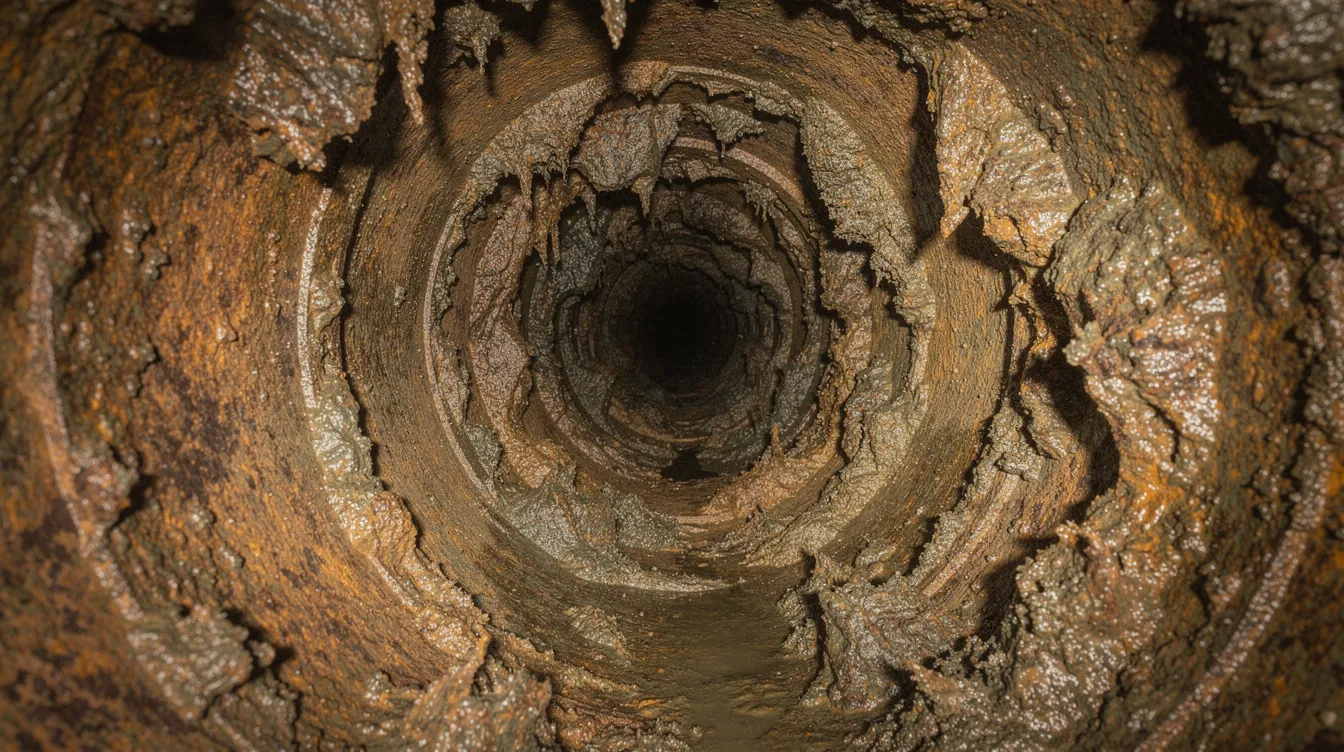
Heavily deteriorated or clogged pipes can slow the camera’s progress or even block the inspection entirely, which adds time and sometimes requires extra services before the camera can complete its run. Severely clogged lines require more time and equipment for inspection.
Common pipe materials and their inspection characteristics:
- PVC/ABS plastic – Usually smoother and easier to inspect. The camera glides through with minimal resistance.
- Cast iron – Rough interior prone to scale and corrosion. The camera head can snag, and poor visibility from buildup is common. Pipes made of materials like clay or cast iron may require more care during inspections.
- Clay pipes – Found in older Seattle-area neighborhoods. Joint separation and root intrusion at connections are frequent findings.
- Orangeburg – A fiber-based pipe that deteriorates from the inside out. Increasingly rare but still encountered in homes from the 1950s–1970s.
In older homes with cast iron lines and heavy buildup, drain cleaning or hydro jetting may be needed before a full camera inspection can be completed. If the pipe is collapsed or badly offset, the inspection may only reach that point, and additional diagnostic work or excavation may be required. Understanding key reasons to replace cast iron pipes can help you plan ahead if your inspection reveals serious deterioration.
Equipment Quality and Level of Documentation
Basic sewer camera inspections may only provide live video and verbal feedback from the technician, while higher-end inspections include HD recording, screenshots, and detailed written reports. High-definition cameras increase the cost of sewer inspections, but the added clarity makes it easier to distinguish between a hairline crack and a serious structural problem.
Higher-quality sewer camera systems-with self-leveling heads, distance counters, and locating transmitters-cost more to own and maintain, which is reflected in pricing. In 2026, many homeowners, real estate agents, and property managers expect digital video links or USB drive copies of the inspection along with formal reports. Providing these may add a modest fee of $25 to $150 depending on the contractor.
Ready Rooter Washington uses modern camera inspection equipment suitable for typical residential and commercial needs and can provide video or images on request when appropriate.
Local Labor Rates and Geographic Location
Sewer camera inspection costs are partly driven by regional labor rates, travel time, and local demand for drain cleaning and sewer repair services. Labor rates for sewer inspections range from $75 to $250 per hour nationally, and the Bellevue, Redmond, and greater Seattle area generally falls in the upper half of that range due to higher technician wages and operating costs.
Traffic, parking, and time spent traveling between jobs can affect minimum service charges in urban and suburban markets. Emergency sewer inspection requests typically incur higher fees-sometimes 1.5× to 2.5× standard rates for nights, weekends, or holidays.
Ready Rooter Washington dispatches from central Eastside locations to minimize trip time and keep pricing competitive for customers in Bellevue, Renton, Kent, and surrounding communities, and makes it easy to contact a local drain and sewer expert in Bellevue when you need service. You can learn more about local plumbing services and costs in Bellevue and Puget Sound to compare what different providers charge.
Typical Add-On and Additional Services After a Camera Inspection
While the sewer camera inspection itself is a diagnostic service, many homeowners choose to proceed immediately with additional services based on what the camera reveals. Additional services can increase total inspection costs significantly, but they also address the root cause of problems rather than just identifying them.
Common add-ons include a variety of professional drain cleaning and clearing services in Bellevue:
- Mechanical drain cleaning (snaking) of the main sewer line to clear tree roots or sludge – typically a few hundred dollars
- Hydro jetting for heavy grease, scale, or root mass – often $500 to $1,200 for a main lateral
- Spot or minor repairs at a single break point – commonly $1,500 to $4,800
- Full or partial sewer line replacement, including trenchless sewer line repair – $6,000 to $25,000+ depending on length, depth, and method
For professional drain cleaning services in Bellevue, Ready Rooter Washington often applies promotional credits or discounts when customers combine camera inspection with drain cleaning or necessary sewer repairs in a single visit.
Camera Inspection vs. Sewer Repair Costs: How Inspections Save Money
The total cost of a sewer camera inspection is a fraction of what you’d pay for emergency sewer replacement or water damage cleanup. That contrast is the single biggest argument for proactive inspection.
Consider these comparisons:
| Service | Typical Cost Range |
|---|---|
| Sewer camera inspection | $200–$650 |
| Spot sewer repair (single break, ≤12 ft) | $1,500–$4,800 |
| Trenchless sewer line replacement (40–60 ft) | $6,000–$12,000 |
| Traditional open-trench replacement | $7,000–$25,000+ |
| Emergency water damage cleanup | Varies widely, often $3,000–$10,000+ |
Sewer inspections save money by avoiding costly repairs that result from undetected problems growing worse over time. Identifying issues early with camera inspections allows for planned pipe repairs, smaller spot fixes, or targeted hydro jetting instead of full-line replacement. You can read more about how to diagnose, repair, and prevent main sewer line problems to understand the full scope of what early detection can prevent.
Avoiding repeated “blind” drain cleaning calls and unnecessary invasive digging is one of the easiest cost savings homeowners can achieve over the life of their plumbing system. A camera tells plumbers exactly where problems are, so work begins at the right spot instead of tearing up a yard on a hunch.
DIY Sewer Camera Rental vs. Hiring a Professional
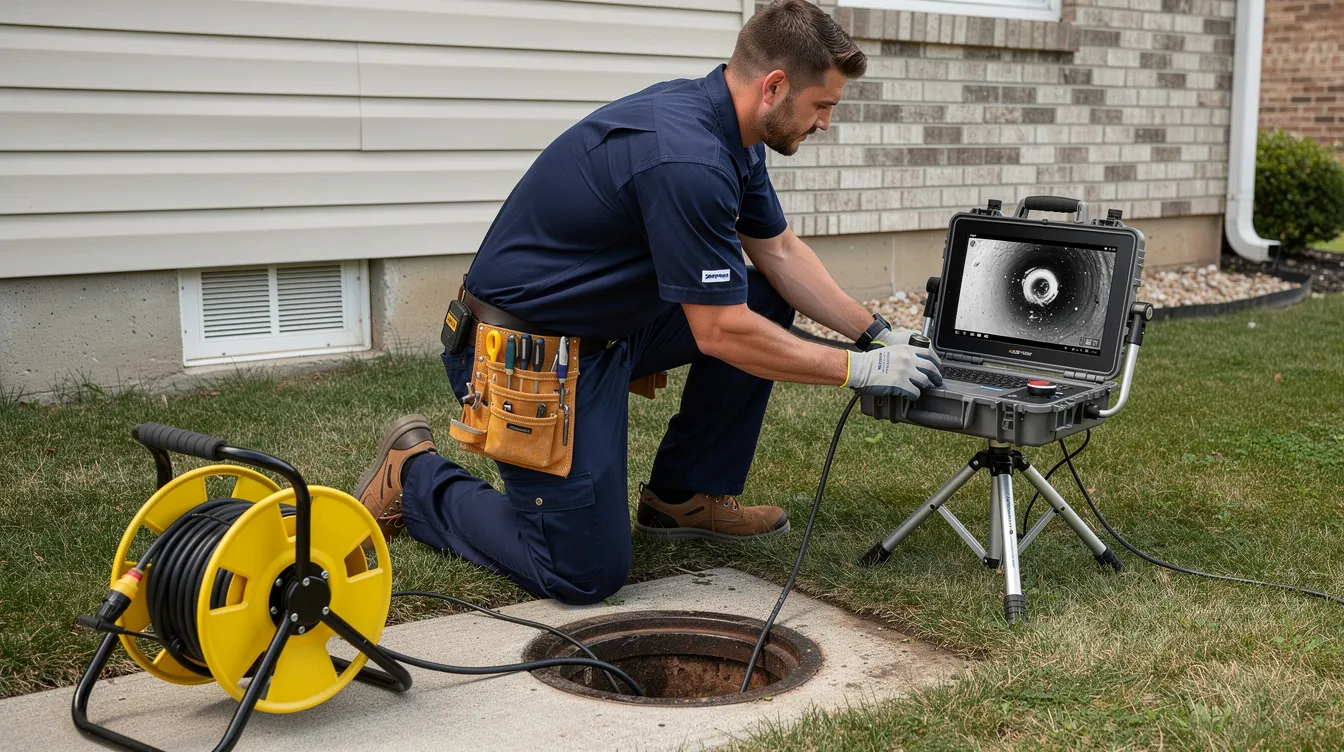
Big-box stores and rental centers sometimes offer sewer camera rentals, and for cost-conscious homeowners, the price tag can look appealing compared to a professional service call.
Typical 2026 rental costs for consumer-grade sewer cameras run $80 to $200 per day. Compare that to a professional inspection fee of $200 to $500, and the savings narrow quickly-especially when you factor in your time, learning curve, and risk of misdiagnosis.
Downsides of DIY include:
- Difficulty recognizing subtle problems like minor bellies, beginning root intrusion, or early-stage corrosion that experienced technicians catch immediately
- Risk of damaging the camera or the pipe, especially in older homes with fragile cast iron or clay pipes
- No access to professional-grade locating equipment (sonde transmitters, depth counters) to mark defect locations from the surface
- No ability to act on findings-if you spot a problem, you still need to call a professional
Ready Rooter Washington brings not only specialized equipment but also years of experience interpreting what the camera shows. Technicians can provide immediate drain cleaning, hydro jetting, or repair quotes on the spot if needed, turning a diagnostic visit into a same-day solution.
When to Schedule a Sewer Camera Inspection
The most common triggers for sewer camera inspections are recurring clogs, sewer odors, and unexplained backups in multiple fixtures. But waiting for an emergency isn’t the only-or smartest-reason to inspect.
Schedule an inspection when:
- You’re buying or selling a home, especially one older than 30 to 40 years
- You’ve had repeated main sewer line backups despite prior drain cleaning
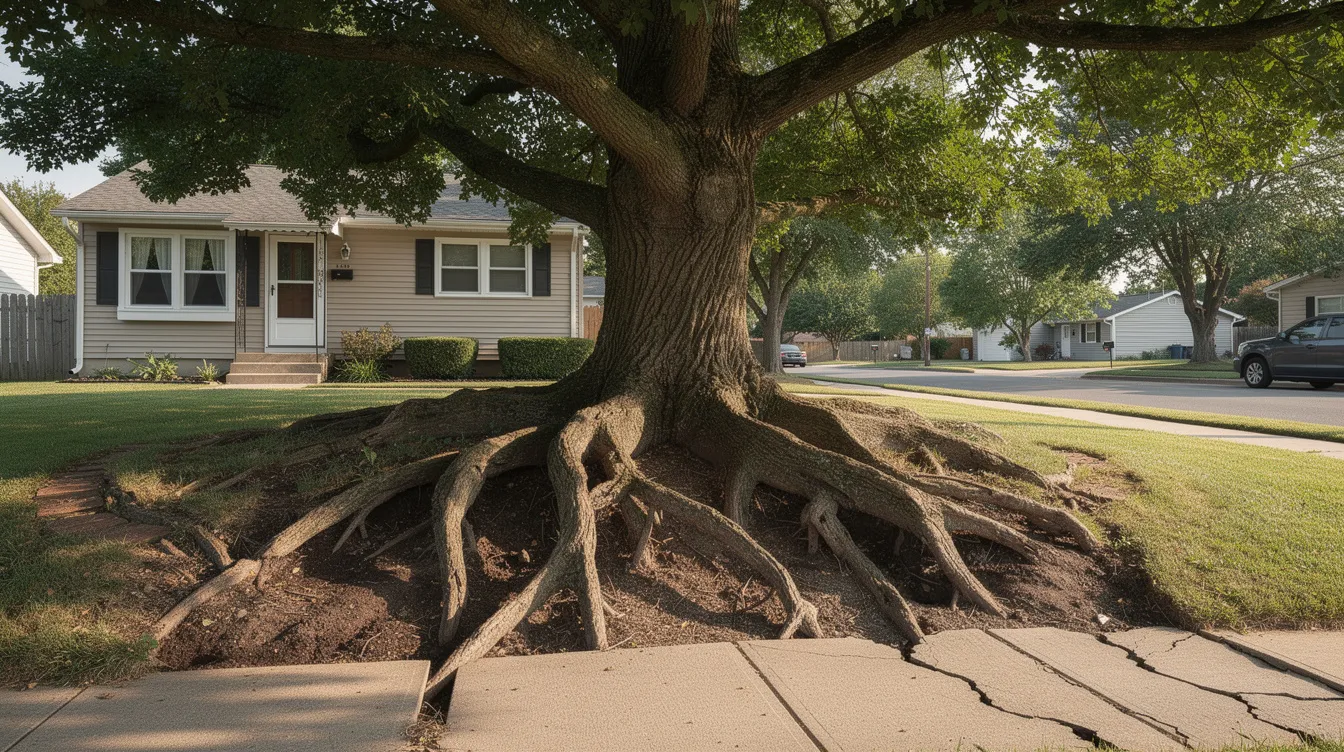
- Large trees or shrubs are planted over or near the sewer route
- You’re remodeling and adding bathrooms or plumbing fixtures
- You notice slow drains in multiple locations, not just one fixture
Plumbing symptoms that deserve immediate attention include a basement floor drain backing up, a running toilet combined with gurgling in nearby drains, or sewage appearing in the lowest-level tub or shower. These suggest a main line problem, not a fixture issue.
Most inspections take between 30 minutes and two hours to complete, depending on access and pipe condition. Regular inspections help maintain plumbing systems effectively-consider one every 3 to 5 years if your home has aging cast iron or clay sewer lines. Learn more about how often to inspect cast iron sewer lines in our Bellevue homeowner guide.
Hydro Jetting, Drain Cleaning, and How They Relate to Camera Inspections
Sewer camera inspections and drain cleaning often go hand-in-hand. When the camera reveals heavy buildup, debris, or roots, hydro jetting is a powerful next step that goes far beyond the snake.
Here’s how they differ:
- Mechanical drain cleaning (cable snake): A rotating cable with a cutting head breaks through blockages. Best for single clogs or moderate root masses. Cost-effective for straightforward stoppages.
- Hydro jetting: High-pressure water (typically 3,000–4,000 PSI) scours the pipe walls clean of grease, scale, and roots. More thorough but requires confirmation that the pipe can handle the pressure.
A camera inspection before hydro jetting helps confirm the pipe is structurally sound enough for high pressure, especially in older homes where a weakened sewer system could fail under stress. A follow-up camera inspection after jetting verifies that the line is clean end-to-end-no guesswork, no recurring backups.
While hydro jetting adds to the overall bill, combining it with camera inspections can extend the life of a cast iron or clay main sewer line and reduce the frequency of future clogs, ultimately delivering real cost savings in the long run.
How Ready Rooter Washington Prices and Performs Sewer Camera Inspections
Ready Rooter Washington is a top plumbing, drain, and sewer company in Bellevue, operating as a 24/7 plumbing and sewer contractor based in Bellevue and serving the greater Puget Sound area. When you call for a video camera inspection, here’s what to expect from the process:
- Scheduling – Book by phone or online. Same-day and emergency appointments are available.
- Arrival and walk-through – The technician reviews your symptoms, checks plumbing history, and inspects the property for accessible clean outs.
- Camera inspection – The sewer camera is fed through the cleanout (or alternate access point) while the technician explains the live footage in real time.
- Findings and next steps – You receive clear options with transparent pricing. Any additional services like drain cleaning, hydro jetting, or sewer repair are quoted separately so there are no surprises.
Pricing is discussed before work begins. Ready Rooter Washington occasionally runs promotions where the sewer camera inspection is discounted or credited when the customer authorizes qualifying sewer repair or major drain cleaning work. Ask about current offers when you call.
Tips to Save Money on Sewer Camera Inspections and Sewer Work
While homeowners can’t control pipe depth or material, there are practical steps to reduce inspection and repair costs over time through preventative maintenance and smart planning.
- Maintain and keep clean outs accessible. Don’t bury them under landscaping, decks, or patio pavers. An accessible clean out saves the technician time and you money.
- Avoid flushing wipes, grease, or non-degradable materials. These create blockages that turn a simple inspection into a multi-step cleaning and scoping project, and can also contribute to water heater problems that require professional service.
- Schedule inspections before emergencies. Proactive calls during business hours avoid premium emergency fees and give you time to plan repairs.
- Bundle camera inspection with needed drain cleaning rather than booking separate visits. Many plumbers, including Ready Rooter Washington, offer better pricing when services are combined.
- Keep your inspection footage. Having recent camera footage can speed up future repairs and reduce diagnostic time, especially if multiple contractors are providing estimates for major repairs.
Inspections can prevent major plumbing emergencies when combined with timely follow-up action. Call Ready Rooter Washington early when signs of sewer trouble appear-potential issues like recurring backups, unexplained odors, or a rising water bill are all signals worth investigating before they escalate.
Frequently Asked Questions About Sewer Camera Inspection Cost
These FAQs cover common cost-related questions from homeowners in the Bellevue and Puget Sound region, focused on what you can expect when working with Ready Rooter Washington.
Is a sewer camera inspection included with drain cleaning, or is it a separate charge?
Some companies charge separately for camera inspections, while others bundle them with main line drain cleaning at a combined rate. At Ready Rooter Washington, the camera inspection is typically a separate professional service, but the fee is often credited or discounted when you proceed with qualifying work like drain cleaning or sewer repair. If the line is severely blocked, drain cleaning may be required before a full camera inspection is even possible, which affects the total cost.
Do I need a sewer camera inspection just for a running toilet or single slow sink?
Isolated issues like a running toilet are usually fixture-level problems-often caused by a worn flapper or faulty fill valve-and don’t require a full main sewer line camera inspection. A camera inspection is more appropriate when multiple fixtures are affected, there are recurring backups, or when an older home has never had its sewer line evaluated. If you’re unsure, a quick phone consultation with a technician can help you determine whether a full sewer scope inspection is necessary.
How long does a typical sewer camera inspection take?
Inspections usually take 30 minutes to two hours to complete for most single-family homes, depending on access and pipe condition. A straightforward inspection through an accessible clean out on a short PVC line might wrap up in 30 to 45 minutes. Additional time is needed if the technician must locate buried clean outs, remove a toilet for access, or perform basic drain cleaning to clear debris before the camera can pass through multiple bends in the line.
Will my homeowner’s insurance or a home warranty cover the cost of a camera inspection?
Most standard homeowners insurance policies do not cover routine plumbing diagnostics like camera inspections. However, your insurer may contribute if the inspection is part of a covered damage claim-for example, if a sewer backup caused interior water damage. Some home warranties or real estate transaction packages in 2026 may reimburse a portion of sewer scope inspection cost, especially during a home purchase. Check with your specific insurer or warranty provider for details.
How often should I repeat a sewer camera inspection on the same property?
In the absence of problems, most homeowners with older cast iron or clay lines should consider a camera inspection every 3 to 5 years as part of preventative maintenance, or sooner if new symptoms arise. Homes with newer PVC sewer lines may only need inspections at purchase, before major remodels, or when multiple plumbing issues point to a possible main sewer line problem. If you’ve had root intrusion or major problems in the past, more frequent inspections-perhaps every 1 to 2 years-help you avoid surprises and catch issues before they require major repairs.
Share this post:


