


Most homeowners never think about their sewer line until something goes wrong. A backed-up toilet, a soggy patch in the yard, or a persistent smell near the foundation can all signal trouble brewing underground. The problem is that your sewer pipe is buried, invisible, and often decades old. Sewer camera inspection services solve this by putting eyes directly inside the line, showing you exactly what’s happening inside without tearing up your property.
Key Sewer Line Video Overview
- A sewer camera inspection lets a plumber see inside your sewer lines without digging, using a waterproof inspection camera that transmits a live feed to a monitor in real time. The process is non-invasive and typically takes about 30 minutes to an hour for most homes.
- The main benefits are accurate diagnoses, early detection of common issues like root intrusion, cracks, bellies, and blockages, and avoiding unnecessary digging. Video inspections help prevent costly plumbing emergencies by catching problems before they escalate.
- Inspections are especially valuable during recurring backups, slow drains, home purchases, and before or after major sewer repairs or trenchless work. Annual inspections are recommended to document sewer conditions over time.
- Typical residential sewer camera inspection costs range from roughly $250 to $800 in 2024–2026, depending on access and line length. That investment often prevents far more expensive repairs down the road.
- A professional sewer camera inspection provides clear explanations, a video record of your pipe’s condition, and a straightforward plan for recommended solutions and next steps.
What Is a Sewer Camera Inspection?
A sewer camera inspection is a non-invasive method for examining the interior condition of sewer lines and drain pipes. Sewer camera inspection services use high-resolution waterproof cameras to inspect plumbing pipes from the inside, eliminating the need for exploratory digging. It is one of the most reliable ways to get an accurate picture of what’s going on underground.
Here’s how it works at a basic level:
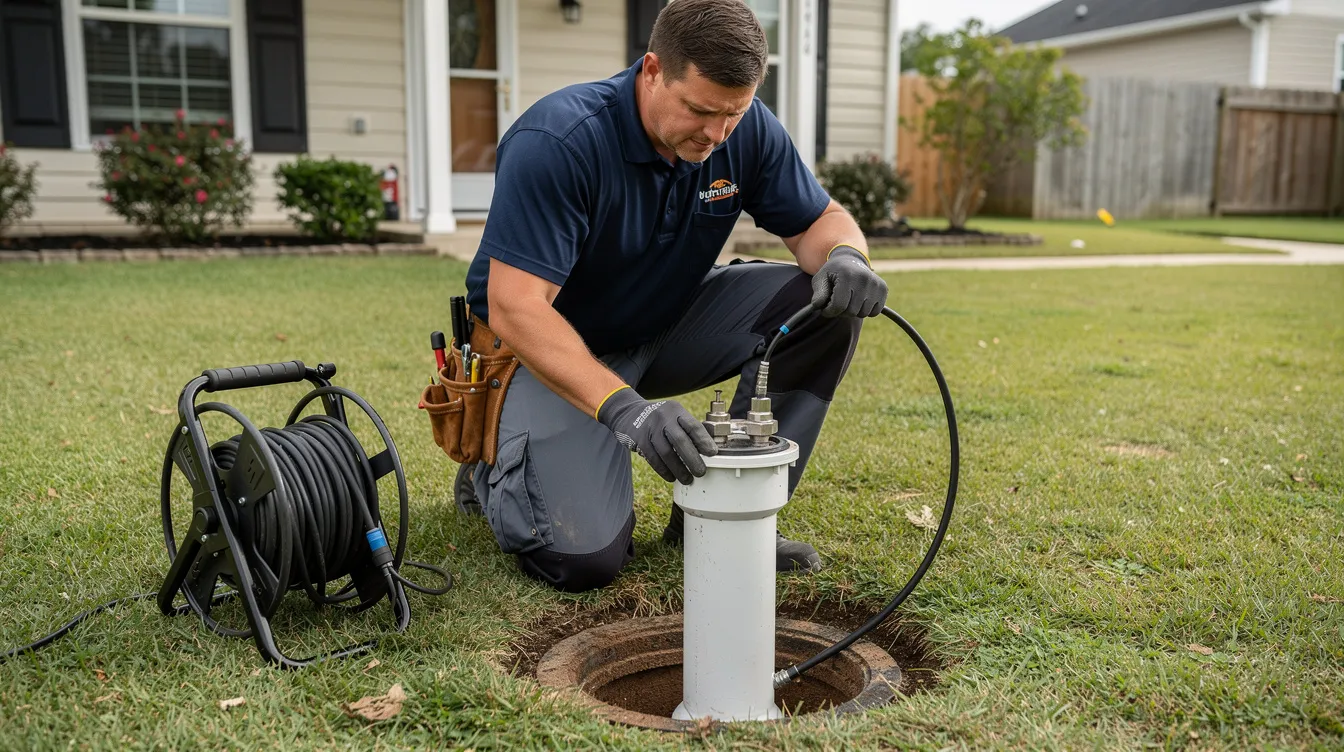
- A flexible cable with a high-resolution, waterproof sewer camera is inserted into the main sewer line through an existing cleanout or other access point such as a roof vent.
- Sewer inspection cameras transmit live video for real-time analysis, so the technician and homeowner can see the pipe’s condition as the camera moves through the line. You can pause, replay, and zoom in on sections of interest.
- Modern inspection cameras include powerful LED lights, distance counters, and locating transmitters (called sondes) that help determine the exact location and depth of any defect found underground.
- CCTV crawlers can inspect pipes as small as 4 inches in diameter, making them suitable for virtually any residential sewer system.
- Sewer cameras can identify cracks and leaks in pipes, root intrusion, corrosion, misaligned joints, and more – all without breaking ground.
Sewer camera inspection services provide a non-invasive method for diagnosing plumbing issues, giving homeowners a clear view of what’s happening inside their plumbing system.
How Sewer Inspection Cameras Work
The entire process is designed to be minimally disruptive to your home and yard. Most homeowners are surprised by how straightforward a video camera inspection really is.
Here’s the basic workflow, step by step:
- Locating access: The technician finds an existing cleanout, roof vent, or, if necessary, removes a toilet to gain entry. A cleanout is the ideal access point because it provides direct, unobstructed entry into the sewer line.
- Feeding the camera: The inspection camera is carefully fed into the sewer line and advanced through bends, junctions, and along the full length of the pipe. The cable has a built-in distance counter to track exactly how far the camera has traveled.
- Live observation: As the camera moves, CCTV cameras provide real-time video of sewer conditions on a monitor. The technician watches the live feed to identify common issues such as root intrusion, cracks, corrosion, offset joints, separated joints, and accumulated debris.
- Above-ground locating: A locator above ground can track the radio signal (sonde) from the sewer camera to mark the precise spot on the lawn, driveway, or slab where a defect exists. This pinpoints the exact location and estimated depth, which is critical for planning any necessary repairs.
- Recording and reporting: Video pipe inspection identifies issues like root intrusion and pipe corrosion, and the full run is recorded. At the end, the customer typically receives a recording of the inspection along with a clear explanation of the pipe inspection findings.
The whole process usually wraps up in well under an hour for a standard residential sewer line.
Common Issues Found During Sewer Camera Inspection
Most underground pipes are completely out of sight, and serious problems can develop quietly over years or even decades. A drain camera inspection brings these hidden issues into full view, often catching them before they cause a catastrophic failure.
Plumbers can visually identify root intrusion and collapsed lines using cameras, along with a wide range of other defects. Sewer camera inspections identify cracks, root intrusion, and leaks – the three most common culprits behind sewer line problems.
Here are the most frequent problems a video inspection reveals:
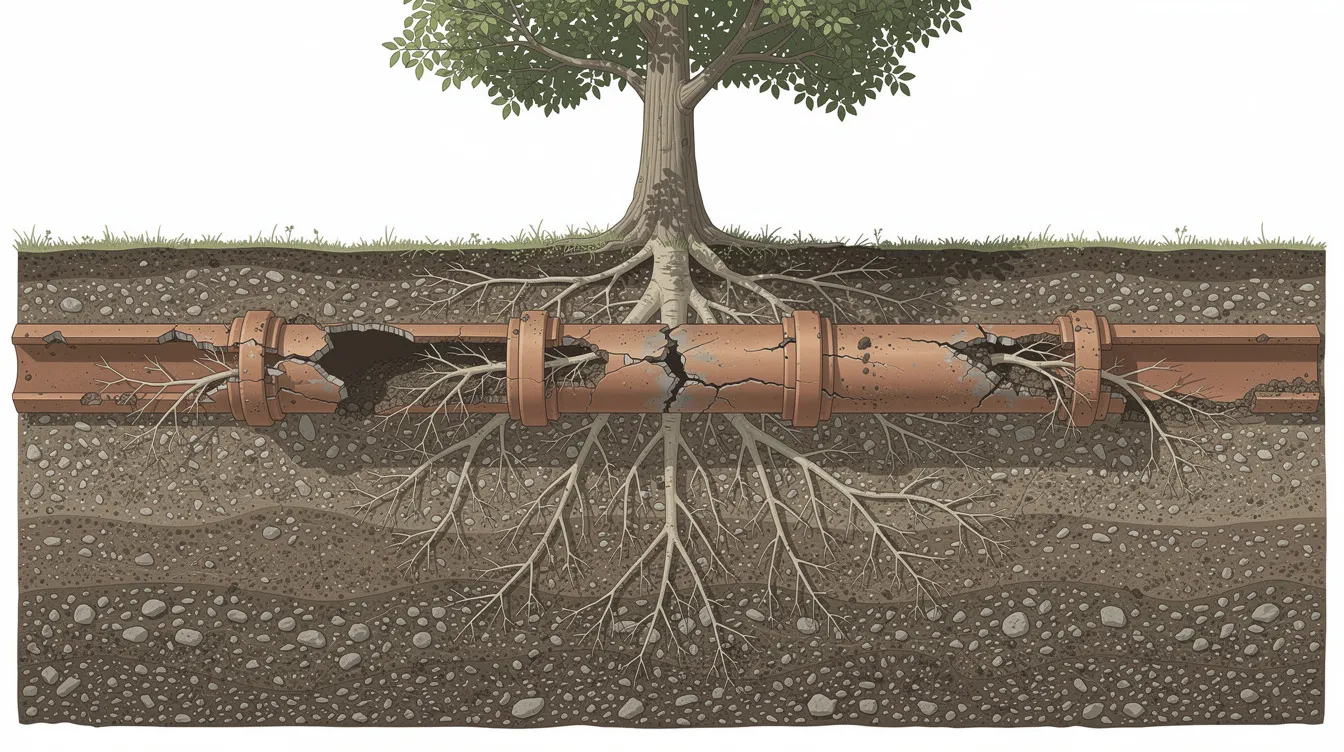
- Tree root intrusion through joints and cracks
- Broken, collapsed, or missing pipe sections
- Heavy scale, grease buildup, or foreign objects creating blockages
- Sagging (“bellied”) sewer lines with standing water
- Corrosion in cast iron or older metal pipes
- Misaligned fittings and offset joints
- Evidence of past patch repairs that may be failing
Homes with older pipe material – clay, cast iron, or Orangeburg, commonly used before the 1980s – carry higher risk for cracks, leaks, and deformation. Video inspections can reveal root intrusion and pipe corrosion that would otherwise remain invisible until a full backup occurs.
Root Intrusion and Blockages
Tree roots seek moisture and nutrients, and they often infiltrate aging sewer lines through tiny gaps at joints or hairline cracks. This is one of the leading causes of obstructed pipes in older neighborhoods with mature landscaping.
On the sewer inspection camera footage, roots appear as hair-like tendrils or dense masses pushing through joints, filling sections of pipe, or trapping toilet paper and debris into thick clogs. Specialized cameras can identify tree root intrusion in pipes even in early stages, when the roots are still thin enough for targeted treatment.
Recurring clogs in homes with mature trees nearby are frequently caused by this type of intrusion. Major blockages can also occur from grease and non-disposable items, which often combine with root masses to create stubborn obstructions that simple snaking cannot resolve.
Identifying the exact location and extent of tree roots helps determine whether localized repair, trenchless rehabilitation, or full sewer line replacement is the right course of action. Without a camera inspection, you’re essentially guessing at the scope of the problem.
Cracked, Broken, and Collapsed Sewer Lines
Shifting soil, freeze-thaw cycles, traffic loads above the line, and simple age can all damage buried pipes over time. These forces affect every pipe material differently, but no material is immune.
The inspection camera shows cracks ranging from hairline fractures to missing pipe segments, exposed soil intruding into the line, or complete collapses where the camera cannot pass further. Sewer camera inspections allow for early detection of minor cracks and weak joints before they become full breaks.
These conditions often correspond with symptoms homeowners notice above ground:
- Frequent sewer backups or slow drainage
- Sewage odors outdoors near the sewer route
- Soggy patches or sinkholes in the yard
Capturing clear video evidence is especially important for insurance claims or when negotiating with a home seller. Early detection of structural damage usually reduces the size and cost of excavation or trenchless repair needed to fix the line.
Sagging (“Bellied”) Sewer Lines and Improper Slope
Pipe bellies are sagging sections of pipe where wastewater and solids collect instead of flowing freely to the municipal sewer system. Sagging sewer lines can trap waste and cause backups, and they’re surprisingly common in older installations or lines where soil has settled unevenly.
On camera, a belly appears as standing water that the lens dips into and out of, often with visible sediment at the bottom. Here’s what the technician looks for:
- Standing water in a low section of the line, even when no fixtures are running
- Sediment, sludge, or debris settled at the bottom of the sag
- The length and depth of the belly relative to the rest of the pipe’s slope
Long sections of improper slope are common in DIY or older installations and are a frequent cause of recurring slow drains. The video allows the technician to measure the length of the belly and determine if spot repair or regrading a larger section is needed. This section of the inspection is critical because a belly that goes unaddressed will only worsen over time.
When to Schedule a Sewer Camera Inspection
Timing matters. Waiting until a full backup floods your basement or yard almost always means more damage and higher repair costs. Schedule an inspection if experiencing frequent clogs or backups – it’s far cheaper to diagnose early than to react to an emergency.
Here are the key situations when homeowners and buyers should schedule a camera inspection:
- Recurring clogs or slow drains that don’t respond to plunging or snaking
- Gurgling noises from drains or toilets
- Unexplained wet spots in the yard, foul odors near the foundation, or patches of unusually green grass over the sewer route
- Sewer backups in the lowest fixtures in the house
- Before buying a home, especially one built before 1990 – inspect sewer lines before buying a home to avoid unexpected repairs
- Before finishing a basement or installing new concrete, decks, or landscaping over the sewer line
- Before and after trenchless work or pipe lining, to document the baseline structural condition and confirm successful repair
- After major plumbing repairs – inspect sewer lines after major plumbing repairs to verify effectiveness
- When selling a home – home sellers should inspect sewer lines to confirm proper function before sale
Annual inspections are recommended to document sewer conditions, especially for properties with large trees, older plumbing systems, or a history of sewer issues. For lower-risk newer homes with PVC or ABS pipe, every 3–5 years is generally sufficient.
Benefits of Professional Sewer Camera Inspection Services
Professional camera inspection reduces guesswork, limits digging, and gives you clear explanations backed by visual proof. Instead of relying on assumptions or trial-and-error snaking, you get an accurate picture of your sewer line’s condition.
Here’s why it’s worth the investment:
- Accuracy: Experienced technicians can pinpoint the exact cause of slow drains and backups. Camera inspections can locate plumbing issues without destructive excavation, saving you from unnecessary digging.
- Cost savings: Early detection of small cracks, minor root intrusion, or early corrosion prevents emergencies that can cost several thousand dollars. Video inspections help prevent costly plumbing emergencies by catching problems while they’re still manageable. For context, a camera inspection typically runs $250–$800, while a full sewer line replacement can cost $3,000 to $25,000 or more.
- Speed and convenience: Sewer camera inspections typically take about 30 minutes to an hour, and inspections can take as little as 10 to 15 minutes for short pipes. The process does not require tearing up flooring or landscaping.
- Documentation: Video pipe inspections help identify issues without excavation and produce a detailed report with video evidence. This documentation helps homeowners make informed decisions about whether to clean, repair, or replace their sewer lines.
- Peace of mind: Knowing the actual condition of your existing pipes – rather than guessing – lets you plan and budget with confidence.
What to Expect During a Sewer Camera Inspection Appointment
The visit follows a predictable process, so you know exactly what will happen from start to finish. There are no surprises, and the whole appointment is designed around transparency.
Here’s the typical flow:
- Arrival and consultation: The technician arrives, introduces themselves, and asks about any plumbing issues you’ve been experiencing – slow drainage, sewer backups, odors, or recurring clogs.
- Locating cleanouts: They identify the best access point to your sewer line. If there’s no accessible cleanout, they may need to pull a toilet or use another entry point, which can add time and cost.
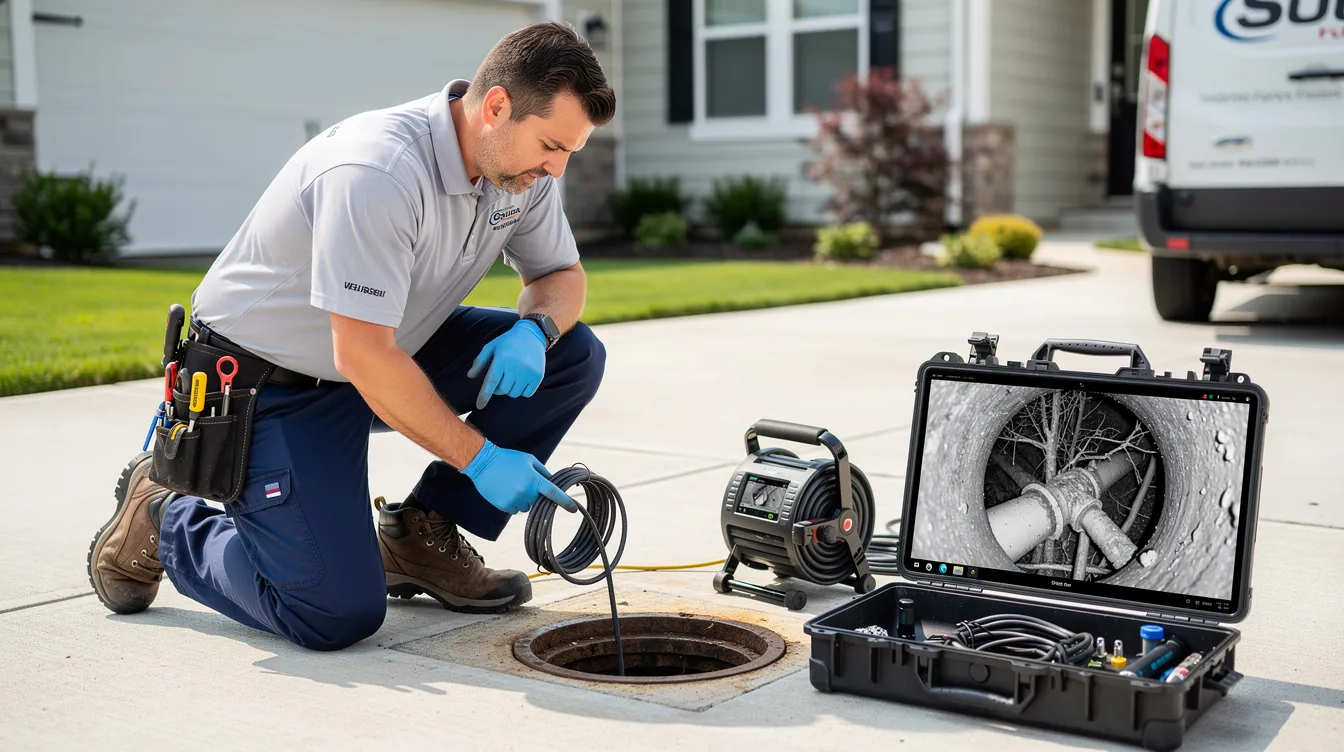
- Setting up equipment: The sewer inspection camera, monitor, cable reel, and locator are set up. State of the art equipment includes self-leveling camera heads with LED lighting and distance counters.
- Running the inspection: The camera is fed into the line while the technician watches the live feed. They may run water from fixtures during the inspection to help visualize flow and locate problem areas in the sewer line.
- Reviewing footage together: After the camera run, the technician reviews the key findings with you, showing relevant sections of the video and explaining what each issue means for your property.
- Delivering results: You receive a summary of findings and, if requested, a digital copy of the video and a written report. Many providers offer upfront pricing on what’s included in the inspection and what add-ons (like locator markings or a formal real estate report) would cost extra.
The entire process is straightforward, and you should feel comfortable asking questions at every stage.
Understanding Your Sewer Camera Inspection Report
A good report translates technical observations into clear explanations and actionable next steps. You shouldn’t need a plumbing degree to understand what’s going on with your sewer pipe.
Here’s what a typical report includes:
| Report Element | What It Tells You |
|---|---|
| Pipe material | Whether your line is PVC, cast iron, clay, Orangeburg, or another material |
| Pipe diameter | The size of the line (commonly 4–6 inches for residential) |
| Approximate age | Estimated based on material and installation style |
| Condition grading | Overall assessment, often using NASSCO standards for grading sewer pipe defects |
| Defect descriptions | Plain-language explanation of each issue found (e.g., “offset joint at 42 feet,” “root intrusion at 67 feet”) |
| Time stamps | Each finding is linked to a specific moment in the video for easy review |
| Urgency rating | Whether each issue is urgent, recommended for near-term monitoring, or simply something to re-check in a few years |
| Recommended solutions | What the technician suggests for each issue – cleaning, repair, or replacement |
NASSCO standards are widely used for grading sewer pipe defects, providing a consistent framework for evaluating the structural condition of underground pipes. When reviewing your report, pay attention to any items marked as urgent – these are the findings that could lead to expensive repairs if left unaddressed.
Each issue should be explained in plain language. Terms like “offset joints” (pipe sections that have shifted out of alignment), “root intrusion” (tree roots growing into the pipe), or “belly” (a sagging section where waste pools) should be defined so you’re never left guessing.
Repair and Maintenance Options After a Camera Inspection
The purpose of inspection is not just to find problems – it’s to help you choose the right solution for each sewer line issue. Once you have an accurate picture of what’s going on, you can weigh your options and avoid overpaying for work you don’t need.
Here are the general categories of response, from least to most invasive:
- Routine cleaning: For buildup, grease, or minor root intrusion, hydro jetting (sewer jetting uses high-pressure water to clear blockages) or mechanical cable cleaning can restore flow. The camera is used before and after to verify results.
- Localized spot repair: For isolated cracks, a single broken joint, or a short section of pipe damage, plumbers can excavate and replace just that segment.
- Trenchless rehabilitation: Cured-in-place pipe (CIPP) lining creates a new pipe within the old one. Pipe bursting breaks the old pipe while pulling a new one into place. Both options are less disruptive than full excavation.
- Full traditional replacement: When damage is severe across a long section – multiple collapses, extensive bellies, or total pipe failure – full replacement may be the only viable option.
The key is that each option has trade-offs in cost, disruption, and expected lifespan. A visual inspection with the camera helps identify potential issues and narrow down which approach makes sense for your specific situation.
Traditional vs. Trenchless Sewer Line Repair
When the camera reveals serious pipe damage, you’ll typically face a choice between traditional open-trench replacement and trenchless technologies that minimize yard and driveway disruption.
Traditional replacement involves:
- Digging a trench along the damaged sewer section
- Removing the old pipe entirely
- Installing new pipe with correct slope and proper connections
- Backfilling and restoring the surface
Traditional sewer repair often requires excavation of the damaged area, which can tear up driveways, sidewalks, landscaping, and even foundations depending on the line’s route. It’s thorough, but disruptive.
Trenchless options include:
- CIPP lining: A resin-coated liner is inserted into the existing pipe, inflated, and cured in place, creating a smooth new pipe within the old one.
- Pipe bursting: A bursting head is pulled through the old pipe, fracturing it outward while simultaneously pulling a new pipe into place behind it.
Trenchless sewer repair is less invasive than traditional methods and is often the preferred approach when the existing pipes still have enough structural integrity to support lining. Sewer camera inspection is used to evaluate whether trenchless is feasible and to confirm that the new line is free of defects once work is complete.
Factors like pipe material, depth, length, soil conditions, and local codes all influence which approach is recommended. Your technician should explain both options and help you make an informed decision.
Costs of Sewer Camera Inspection in 2024–2026
Pricing varies by region, access, and line length, but a camera inspection is generally modest compared with the cost of major sewer repairs it helps you avoid.
Here are realistic cost ranges for typical single-family homes:
| Service Level | Typical Cost Range |
|---|---|
| Basic push-rod inspection (cleanout access, up to ~100 ft) | $125–$350 |
| Standard residential with locating and video | $250–$500 |
| Full CCTV survey with written report and condition grading | $400–$800+ |
| Difficult access, long runs, or complex terrain | $800–$1,700 |
The national average for a residential sewer camera inspection sits around $280 in 2025–2026. Homes without an accessible cleanout may incur extra charges ($175–$750) for toilet removal or alternative access.
Additional services that can add to the total:
- Hydro jetting bundled with inspection
- Locating buried cleanouts
- Detailed real estate transaction reports
- GPS mapping and condition grading documentation
Many homeowners schedule inspection at the same time as mainline cleaning, which can reduce total costs compared to separate visits. Providers offering upfront pricing and transparent quotes about what’s included (video copy, written summary, locator markings) make it easier to compare and budget.
When you consider that a full sewer line replacement can run $3,000 to $25,000 depending on depth, length, and pipe material, spending a few hundred dollars on a camera inspection is a smart investment in prevention.
Choosing a Sewer Camera Inspection Provider
Not all inspection services are created equal. The quality of equipment, the technician’s expertise, and the clarity of the report all matter when you’re relying on the results to make decisions about your property.
Here’s a quick checklist for selecting a provider:
- Licensing and insurance: Verify that technicians hold proper plumbing licenses and carry liability insurance.
- Experience: Look for providers with extensive experience specifically in camera inspection – not just general plumbing. Experienced technicians know how to interpret subtle findings that less seasoned operators might miss.
- Equipment quality: Ask about the sewer inspection camera being used. Modern systems should include HD resolution, pan-and-tilt heads, LED lighting, and sonde transmitters for above-ground locating. Advanced technology makes a measurable difference in diagnostic accuracy.
- Clear communication: The best providers explain findings in everyday language, show you the video footage, and answer questions patiently. You should never feel pressured or confused.
- Deliverables: Confirm what you’ll receive – a video copy, a written detailed report, timestamps, and condition grading. Know what’s included and what costs extra before the appointment starts.
- Reviews: Check recent local reviews from the past couple of years to confirm reliability, punctuality, and fair pricing for inspection services.
A good provider treats the inspection as an opportunity to educate you, not just to sell you a repair. If a company can’t explain what they found in plain language and back it up with video, keep looking.
FAQ: Sewer Camera Inspection Services
How long does a typical sewer camera inspection take?
Most residential sewer inspections take about 30 to 60 minutes, depending on the sewer line length, the number of bends, and how many issues are found along the way. Inspections can take as little as 10 to 15 minutes for short pipes with clean access. Older homes with multiple cleanouts or severely blocked pipes may require additional time to reach and document the full system. Report preparation and explaining results to the homeowner may add another 15–30 minutes on site. Automated manhole inspection cameras can complete scans in about five minutes, though these are more common in municipal applications.
Will a sewer camera inspection damage my pipes?
No. The inspection camera is designed to be gentle and non-destructive, with a smooth, flexible cable and a rounded camera head. The process does not cut, grind, or apply pressure to the sewer pipe – it only travels along existing openings. If a pipe is already fully collapsed or severely obstructed, the camera may not be able to pass through, but this simply reveals the extent of damage rather than causing it. The goal of every video pipe inspection is to inspect and document, not to alter the pipe in any way.
Do I need a sewer inspection if my drains seem fine?
While not always necessary, a proactive camera inspection can be wise for homes over 30–40 years old, or when buying a property, even if no obvious plumbing issues exist. Many sewer line problems – small cracks, early root intrusion, slow corrosion – do not show symptoms until the damage is significantly more severe and more costly to fix. A baseline inspection every few years in higher-risk properties can help you identify potential issues early and avoid surprise failures and unexpected emergency repair bills.
Can I perform a sewer camera inspection myself with rented equipment?
Some equipment rental stores offer basic inspection cameras, but professional sewer cameras are more advanced and easier to maneuver through long sewer lines. Interpreting footage correctly requires experience – homeowners may misread normal joints or shadows as serious defects, or overlook subtle warning signs that would catch a trained eye. For major decisions such as negotiating a home purchase or planning an expensive repair, a professional inspection and documented report are usually worth the cost. The value isn’t just in the camera – it’s in having skilled plumbers who know what they’re looking at.
How often should my sewer line be inspected with a camera?
Most newer homes without known issues may only need an inspection before sale, after major yard construction, or if symptoms arise. Older homes, properties with big tree roots near the sewer route, or locations with clay or cast-iron sewer pipe may benefit from inspection every 2–4 years. Annual inspections are recommended to document sewer conditions for properties with a history of repeated problems. A professional plumber can recommend a customized schedule based on pipe material, age, and any previous sewer line problems – there’s no one-size-fits-all answer, but regular monitoring is always cheaper than emergency replacement.
Share this post:


