


A sewer backup is stressful, messy, and expensive. One small access point can make the difference between a quick service call and a destructive search through floors, landscaping, or concrete. That access point is the sewer cleanout.
Key Takeaways
- A sewer cleanout is a capped pipe that gives easy access to the main sewer line or building drain.
- Most King County homes built after the late 1970s have at least one sewer line cleanout, but many older Seattle-area homes do not.
- Knowing the cleanout location can significantly reduce cost and time during a sewer backup emergency.
- Local plumbing codes, wet soils, tree roots, and foundation type influence where cleanout pipes are placed in King County.
Understanding Sewer Cleanout Basics
A sewer cleanout is a capped vertical cleanout pipe that connects directly to a home’s main sewer line or building drain, creating direct access for inspection, cleaning, and repairs.
Homeowners often use “sewer cleanout,” “drain cleanout,” and “line cleanout” interchangeably. Technically, a sewer cleanout usually serves the building sewer or private side sewer, a drain cleanout may serve a branch drain pipe from a sink, toilet, or tub, and a line cleanout may refer to the access point closest to the public connection.
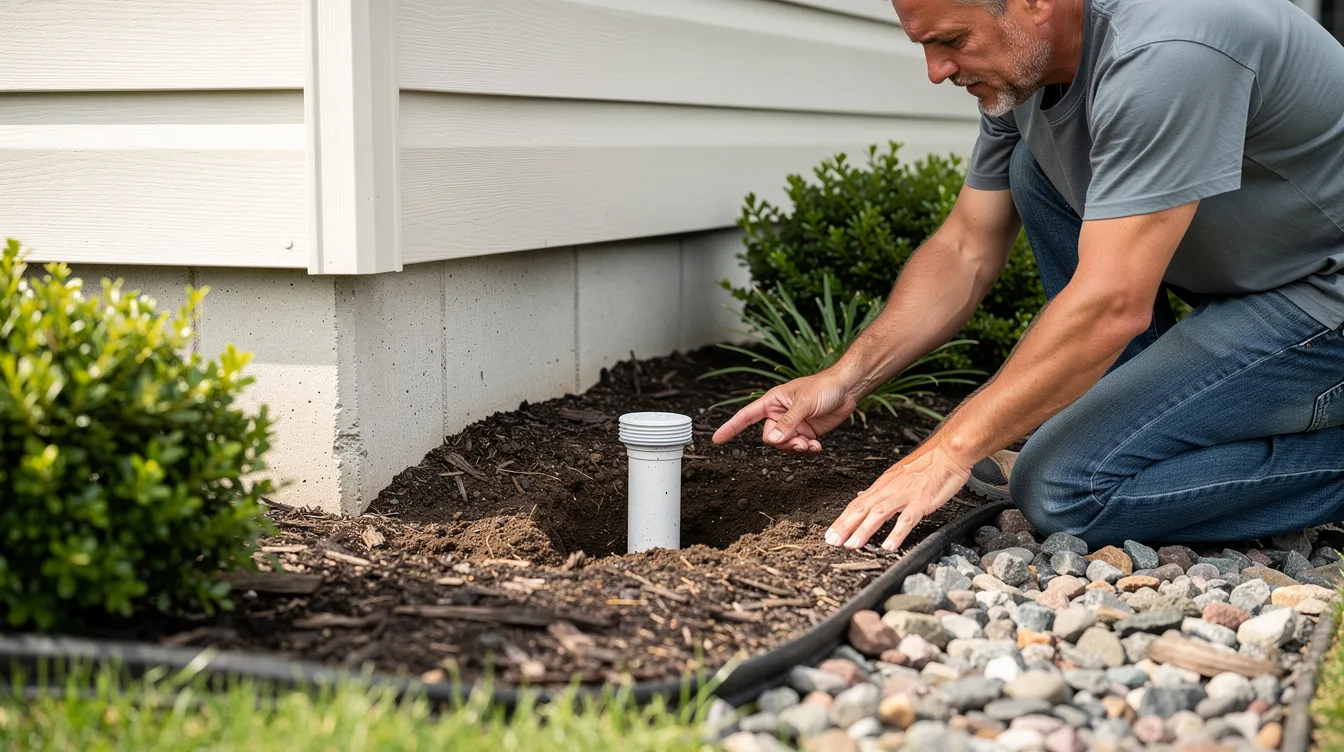
A typical sewer cleanout in King County is a 3- to 6-inch diameter PVC or ABS pipe with a threaded cap, usually white or black. It may appear as a round or square cap at ground level, a short capped pipe above the ground, or a fitting set in a small box or flush with a concrete slab.
The diameter of a sewer cleanout pipe typically ranges from 3 to 6 inches and is often made of different materials like ABS plastic, brass, or cast iron. Older homes around Seattle may still have metal cleanout parts, while newer house plumbing usually uses plastic components.
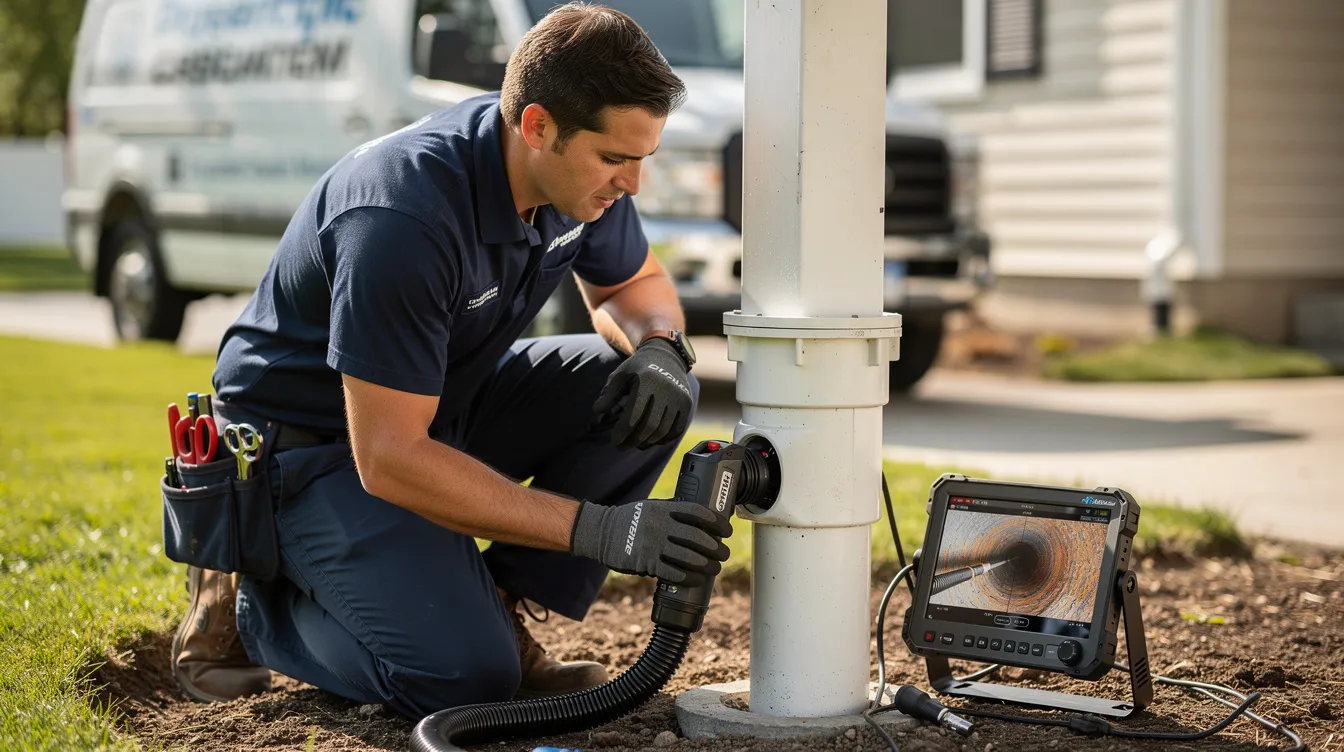
The cleanout gives plumbers access to run drain cleaning equipment, clear a blockage, send in a camera for inspection, and verify the condition of the private sewer line. While the public sewer system is maintained by the city or sewer district, the cleanout and private side sewer on the property are usually the homeowner’s responsibility.
Where to Find Your Sewer Line Cleanout
Cleanout locations in King County vary by climate, house age, and foundation type. A 1920s Seattle craftsman with a basement may have a sewer line cleanout located inside, while a 2005 Issaquah new build may have an outdoor cleanout near the yard, driveway, or property line.
Sewer cleanouts are typically located near the foundation of a home, often within 5-10 feet of where the main sewer line exits the house. Outdoor sewer cleanouts can often be identified by a protruding capped pipe, usually 3 to 6 inches in diameter, which may be covered by grass or landscaping.
Common outdoor locations include:
- Within 5–10 feet of the foundation
- Near the driveway or garage
- In the front yard facing the street
- Close to the property line toward the municipal sewer line
- Under a small access box in a walkway or paved area
In colder climates, cleanouts are more often located inside the house, while in warmer climates they are usually placed outdoors near the foundation or along the property line. King County is not as cold as many northern regions, but older homes and basement layouts mean indoor access is still common.
Common indoor locations include:
- Basement near a floor drain
- Utility room wall
- Garage slab or wall
- Crawl space near the main sewage line
- Under a removable panel near a bathroom stack
- Near where fixture drains converge
To locate an indoor sewer cleanout, follow the drainage pipes from sinks, toilets, and other fixtures; the cleanout is typically found where these pipes converge. Look for a 3- to 4-inch capped pipe near bathrooms or kitchens, then walk the perimeter outside and brush away mulch, dirt, bushes, or ground cover.
If you are having trouble locating the cleanout, check near where water service and gas service enter the building. If the sewer line cleanout may be buried under landscaping or concrete, a licensed plumber can use a camera and electronic locator to identify the sewer line path.
Types of Sewer Cleanouts and Caps
Different cleanout styles affect durability, accessibility, and how easily plumbing professionals can access the sewer system during trouble.
Above-grade cleanouts are short vertical pipes that stick a few inches above soil or slab. These are common in many post-1980 King County suburbs and are easy to see unless covered by grass, shrubs, or other debris.
Flush-to-grade cleanouts are set level with the ground, driveway, sidewalk, or concrete. When a cleanout is located in a traffic area, it should be protected by a proper box or cover so vehicles and foot traffic do not damage the cap or pipe.
Cap materials also vary by age. Modern homes often use plastic PVC or ABS caps. Pre-1970 properties around Seattle and older suburbs may have cast iron or brass caps, and these can corrode, seize, or crack over time.
Common cap styles include threaded plugs with square or hex heads and older twist-off caps. Thread condition matters because a loose, damaged, or poorly sealed cap can allow sewer odor, moisture, or pests to escape from the system. Cracked cleanout caps should be replaced immediately and can be found at local hardware or plumbing supply stores.
Why Sewer Cleanouts Matter for Your Sewer System
Sewer cleanouts are not decorative. They are critical access points that can prevent extensive property damage and health hazards.
A sewer cleanout allows for easy access to the main sewer line, enabling quick resolution of blockages before they escalate into more severe plumbing issues. It lets a plumber clear tree-root intrusions, grease buildup, flushed items, and foreign objects without digging up the yard or cutting into floors.
Regular access to a sewer cleanout can help prevent sewage backups into the home, which can cause significant damage and health hazards. If multiple drains are clogged at once, or sewage appears near a floor drain, that cleanout may be the safest path for diagnosis and removal.
Video inspections through the cleanout can reveal cracked pipe, offset joints, sagging sections, and root entry. These issues are common in older King County clay, cast iron, and concrete side sewers, especially where large trees grow above the main line.
Cost is another reason the cleanout matters. Using an existing access point can reduce excavation, driveway cutting, interior demolition, and labor. An accessible, clearly marked sewer cleanout can also speed up emergency service and may be needed before some trenchless sewer repairs can be performed.
Not all homes have a sewer cleanout, but having one is crucial as it provides a necessary access point for maintenance and repairs, preventing potential plumbing disasters.
Code, Ownership, and Local Considerations in King County
Plumbing and side sewer rules differ by jurisdiction, and King County cities like Seattle, Bellevue, Kent, and Renton follow specific code requirements.
Modern plumbing codes typically require at least one main building cleanout and may require additional cleanouts at distance intervals or direction changes in the sewer line. Seattle Public Utilities standards reference cleanouts on side sewers and service drains, including spacing requirements such as no more than 100 feet between cleanouts in straight runs; homeowners can review local guidance through Seattle Public Utilities side sewer resources.
In most King County jurisdictions, the homeowner owns and must maintain the private side sewer from the house to the connection with the public sewer main or to a septic tank. That responsibility often applies even when the building sewer runs under a sidewalk, planting strip, or driveway before connecting to the larger municipal system.
Older homes built before stricter codes may have undersized, poorly located, or missing cleanouts. Retrofitting a properly located sewer line cleanout can be a smart upgrade during major repairs, remodels, or property sales.
Before modifying or adding cleanouts, check with your city or sewer district. In Seattle, side sewer work often requires permits, and the city provides side sewer permit information for repairs, replacements, caps, and new connections.
Maintaining and Protecting Your Sewer Line Cleanout
Simple preventive steps keep sewer cleanouts accessible and functional year-round.
Monthly visual inspections of sewer cleanouts are recommended to ensure caps are secure and no debris has accumulated around access points. Proper maintenance of sewer cleanouts focuses on accessibility, prevention, and cap integrity.
The area surrounding a sewer cleanout should be kept free of overgrown shrubs, soil, and debris for emergency accessibility. Avoid placing fences, patios, sheds, or permanent landscaping over the cleanout pipe. If the cleanout is in the yard, keep bushes trimmed and avoid burying the cap under bark or dirt.
Preventative drain habits also help. Only wastewater and toilet paper should go down toilets, and homeowners should avoid pouring cooking grease, fat, or oil down sinks. Grease can cool inside the sewer line, trap debris, and contribute to major blockages.
Installing root barriers or scheduling strategic landscaping can help prevent large tree roots from infiltrating sewer pipes. This is especially helpful in older Seattle neighborhoods where mature trees and older clay or concrete sewer lines often share the same narrow property space.
Annual preventative drain cleaning and a camera inspection every 3 to 5 years are recommended for verifying the integrity of lateral lines. Property owners should have their sewer cleanouts inspected regularly, with licensed plumbers typically inspecting them every 2-3 years for most properties.
Keep records of cleanout locations, maintenance dates, and any problems discovered. A simple site sketch or phone note can save time and money when a future owner, tenant, or service provider needs fast access during an emergency.
When to Call a Professional Plumber
Homeowners can locate and visually inspect cleanouts, but main sewer line work is often best handled by trained, licensed professionals.
Call a plumber immediately if you notice:
- Simultaneous backups in multiple fixtures
- Sewage at a floor drain
- Foul sewer odors inside the home
- Water or sewage emerging from an outdoor cleanout cap
- A toilet, tub, and sink backing up at the same time
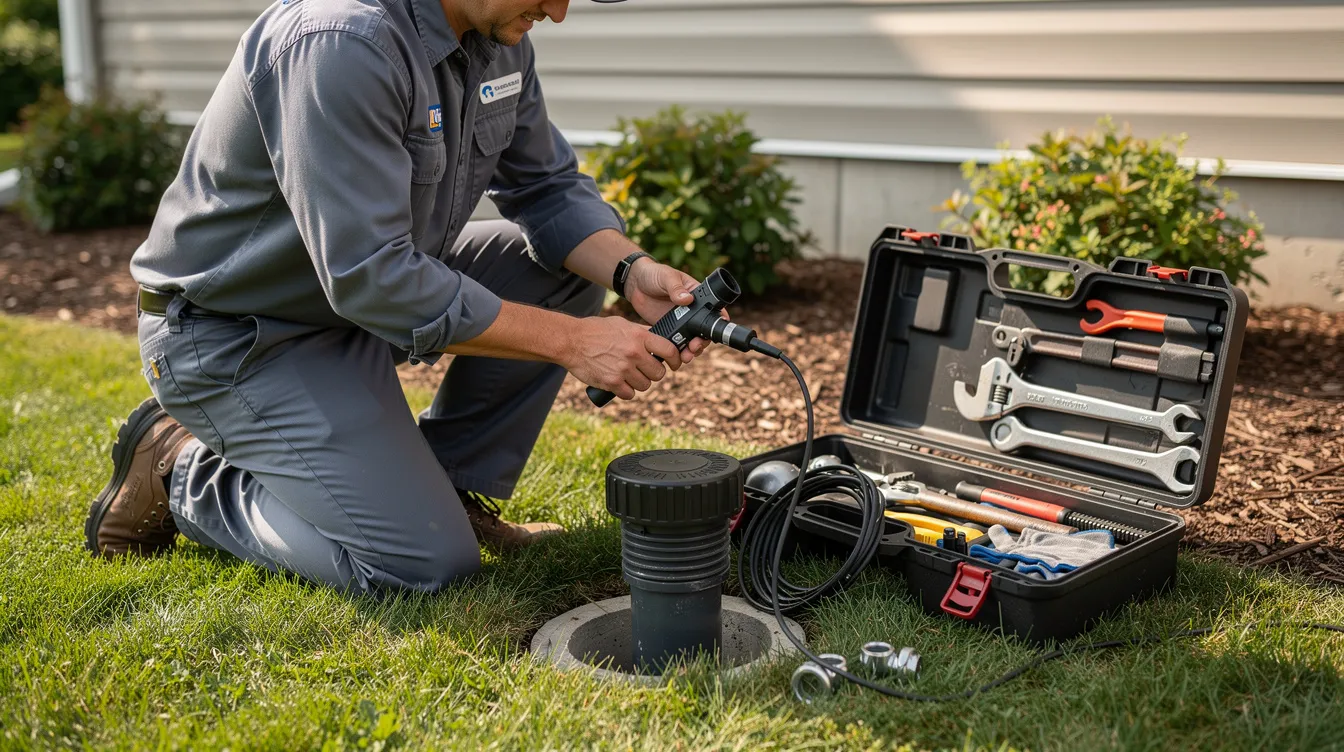
Professionals use specialized drain cleaning equipment, including sewer augers, hydro-jetting tools, and camera systems, through the cleanout to diagnose and clear main line clogs safely. They can also tell whether the problem is inside the home’s plumbing system, in the private lateral, or potentially in the public sewer main.
In some King County cities, sewer repairs and cleanout installation require permits and inspection. Professional services can help manage code requirements, locate the line, protect the property, and fix the problem with less disruption.
If your home has large trees, older clay or concrete pipes, cast iron drain sections, a slab foundation, or a history of backups, schedule preventive service before the line becomes fully clogged.
FAQ
How do I know if my house even has a sewer cleanout?
Most homes built in King County after the late 1970s were required to include at least one main building cleanout, usually near where the sewer line exits the foundation.
Older homes, especially pre-1950s houses in Seattle and nearby cities, may have only interior cleanouts or none at all, depending on when and how the plumbing was updated. Start with a visual search indoors and outdoors. If nothing is found, have a plumber perform a camera locate to confirm whether a cleanout exists and where the main sewer line runs.
Can I open the sewer cleanout cap myself to relieve pressure or check for a clog?
Opening a cleanout cap can release standing sewage under pressure, which is a health hazard and can create a major cleanup problem.
Avoid removing caps when there are active backups or when you are unsure what is in the line. In minor situations with no signs of backup, a homeowner may gently check that the cap is snug, but should not attempt full drain cleaning without proper tools and training.
How often should my main sewer line be cleaned through the cleanout?
Many King County homes benefit from professional main line cleaning every 18–36 months, depending on tree root activity, number of occupants, pipe material, and past blockage history.
Homes with frequent backups, large trees over the sewer path, or older side sewers may need more frequent service guided by camera inspections. A plumber can establish a tailored regular maintenance schedule after inspecting the current condition of the sewer line.
What happens if my property has no sewer cleanout at all?
Plumbers can still access and clear the main sewer line through other points, such as a pulled toilet, but the work is usually slower, messier, and sometimes more expensive.
Installing a properly located exterior sewer line cleanout is often recommended during any major sewer repair or replacement project. A plumber familiar with local King County codes can design and install a new cleanout that meets requirements and provides easy access for future maintenance.
Is the city responsible if the blockage is between my house and the street?
In most King County jurisdictions, the homeowner is responsible for the private side sewer from the house to the connection point at the public main, even if the line runs under the sidewalk or planting strip.
The city or sewer district is typically only responsible for blockages in the public sewer main itself, not in the private line on your property. Call a licensed plumber first for suspected private line issues, then contact the local sewer utility if the plumber’s inspection indicates a possible public main problem.
Share this post:


