


Every house has a plumbing system that quietly moves wastewater away from your daily life. But when something goes wrong with the main sewer line, a small, unassuming access point in your yard or basement can save you thousands of dollars. That access point is called a sewer cleanout, and most homeowners have never thought about it until sewage is backing up into their shower.
This guide covers everything you need to know: what a cleanout is, how to find yours, how to maintain it, and how to prevent the most common problems that send homeowners scrambling for emergency plumbing service.
Key Takeaways
A sewer cleanout is a capped pipe that connects directly to your main sewer line, giving plumbers and homeowners direct access for cleaning, inspection, and blockage removal. Every homeowner should know the location of their cleanout before an emergency strikes. This article walks you through finding, maintaining, and getting the most out of this critical plumbing component.
- A cleanout allows faster clearing of a clogged main sewer line without tearing up your yard or removing fixtures.
- It dramatically reduces the need for excavation, saving you money on labor, landscaping restoration, and repair costs.
- It enables early detection of tree root intrusion and other hidden damage through video inspection.
Most homes built after the 1980s in U.S. cities have at least one sewer line cleanout, but older properties may not, and adding one is strongly recommended. Plumbing professionals use the cleanout for video inspection, hydro jetting, and major blockage removal. DIY attempts have real limits for safety reasons, which we’ll cover below.
What Is a Sewer Cleanout?
A sewer cleanout is a vertical or angled cleanout pipe with a removable cap that connects directly to the home’s main sewer line, allowing direct access for cleaning and inspection. Think of it as a doorway into your underground plumbing that eliminates the need to dig or disassemble anything.
Sewer cleanouts allow for easier maintenance and inspection of sewer lines, and most homes have at least one.
What does it look like? Cleanouts typically have a diameter of three to four inches, though some are as large as six inches. On newer homes, you’ll see PVC (white) or ABS (black) plastic pipe. Older homes built before roughly 1970 often have cast iron or brass fittings. Common materials for sewer cleanouts include PVC, ABS plastic, cast iron, and brass. The top features a threaded cap or plug that can be removed when access is needed.
In the overall sewer system, the cleanout sits between the home’s main drain stack and the municipal sewer or septic system. It’s the first access point before any digging is needed. Plumbers insert tools like drain snakes, sewer augers, hydro jetting equipment, and video inspection cameras through the cleanout. Because cleanouts allow plumbers to clear blockages without invasive work, these jobs are quicker, cleaner, and far less expensive than the alternatives.
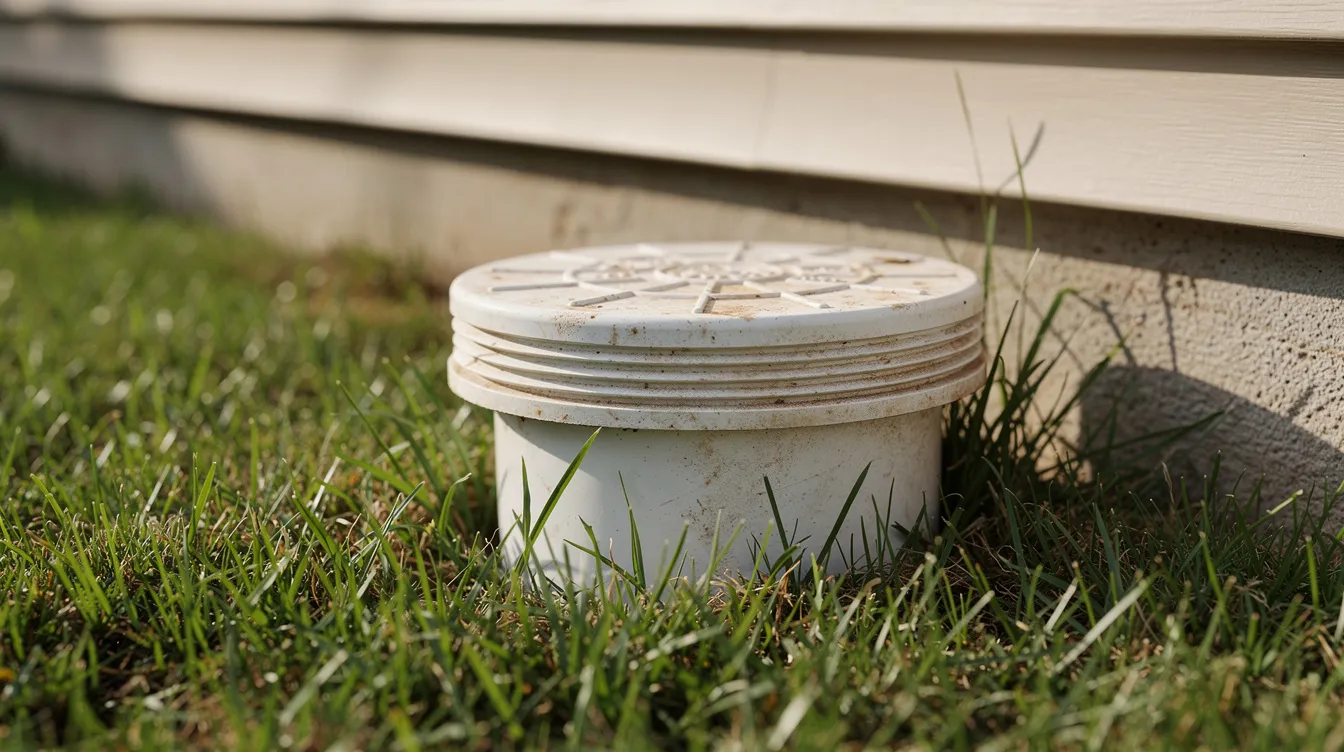
How Your Main Sewer Line & Sewer Cleanouts Work Together
Wastewater flows from every fixture in your house-toilet, tub, sink, washing machine-into smaller branch drains. Those branch drains feed into a main sewer line that slopes gently (about 1–2%) toward the street or your septic tank, carrying everything away by gravity.
Sewer cleanouts are strategically placed at key points along this main line. You’ll commonly find them near where the drain exits the foundation, at significant direction changes, near the property line, and sometimes where the line meets the public sewer main. These positions ensure that if a blockage occurs anywhere along the route, a plumber can reach it with minimal disruption.
Some homes have multiple sewer cleanouts:
- One near the house foundation (interior or exterior)
- One near the sidewalk or property line
- An interior cleanout in homes with basements or slab foundations
Modern building codes often require a two-way cleanout at the junction of the building drain and building sewer. Local plumbing codes typically mandate cleanouts at intervals of no more than 100 feet on pipes under eight inches in diameter, and at every significant change in direction. These rules keep the sewer system serviceable over its full lifespan.
Signs You Have a Main Sewer Line Problem
Certain plumbing symptoms point to a clogged main sewer line rather than a single fixture drain issue. When you spot these patterns, the cleanout is the fastest place to investigate.
Common warning signs include:
- Multiple drains backing up at once. If your toilet and tub or floor drains all slow down or overflow simultaneously, the blockage is likely in the main line, not a single branch.
- Sewage appearing in lower-level fixtures. Raw sewage coming up through a basement shower or floor drain is a clear indicator.
- Gurgling sounds. Hearing air bubbles in one fixture when another is running (for example, a toilet gurgling when you flush a sink) suggests a shared obstruction.
- Unpleasant odors. Strong sewer smells near drains, in the basement, or in the yard often indicate a failing line.
- Slow drains throughout the home after heavy rain. This can mean the main sewer line is restricted or the municipal system is overloaded.
Sewage backups can damage flooring and drywall quickly, turning a plumbing issue into a full restoration project. A properly capped cleanout prevents indoor sewage backups by allowing pressure release. Any sign of sewage on floors or pooling in your yard is an emergency, and the sewer line cleanout is where plumbers start diagnosing the problem.
Where Is Your Sewer Cleanout Located?
The location of your cleanout depends on your home’s climate zone, foundation type, and construction era. Most cleanouts are either just outside the foundation wall or on the lowest level inside the house.
Typical outdoor locations:
Sewer cleanouts are usually located outside near the foundation or property line. Most homes have at least one outdoor cleanout, and outdoor cleanouts are usually within a few feet of the foundation-typically two to ten feet from the exterior wall. Look for a short capped pipe (three to four inches) rising slightly above ground level or sitting flush with the soil. They’re sometimes hidden under mulch, gravel, or grass, and they generally sit along a straight line between the house and the street.
Typical indoor locations:
Indoor cleanouts are often found in basements or utility rooms. In homes without basements, check crawl spaces, utility closets, or along exterior walls at floor level. Older homes may have cleanouts behind small access panels that are easy to overlook.
Shared properties:
Townhomes, duplexes, and condos may have shared or clearly labeled cleanouts near parking areas or sidewalks rather than in private yards.
Step‑by‑Step: How to Find Your Sewer Line Cleanout
If you’ve never located your cleanout, here’s a practical walkthrough you can follow on a weekend afternoon.
- Start indoors. Find the main drain stack-the largest vertical pipe in your house, usually in a basement, utility room, or near the center of a slab home. Follow it toward where it exits through the foundation wall. Look for a capped T- or Y-fitting nearby. That’s often an interior cleanout.
- Move outside. Walk a straight line from where the main drain exits the house toward the street or septic tank. Scan for a short capped pipe three to four inches in diameter, either slightly above ground level or flush with the soil surface.
- Check property documents. Property survey maps, building plans, or the original construction drawings often mark the cleanout with “CO,” “S,” “C.O.,” or “cleanout.” Look for cleanouts marked with these abbreviations if you have access to any blueprints or permits.
- Look near other utilities. Cleanouts are frequently located near hose bibs, meter boxes, or driveway edges where utilities cluster.
- Probe gently if needed. If landscaping has buried the cap, use a long screwdriver to carefully probe the soil along the expected sewer line path. Don’t dig aggressively-damaging the pipe defeats the purpose.
- Call a professional if stuck. If you can’t find the cleanout in a reasonable time, a licensed plumber can use a pipe locator to pinpoint its exact location.
Sewer cleanouts should be documented for easy access. Once you find yours, take a photo and record the distance from two fixed landmarks (like “three feet from the gas meter, two feet from the back corner of the garage”). This simple step can save significant time and money during a future emergency.
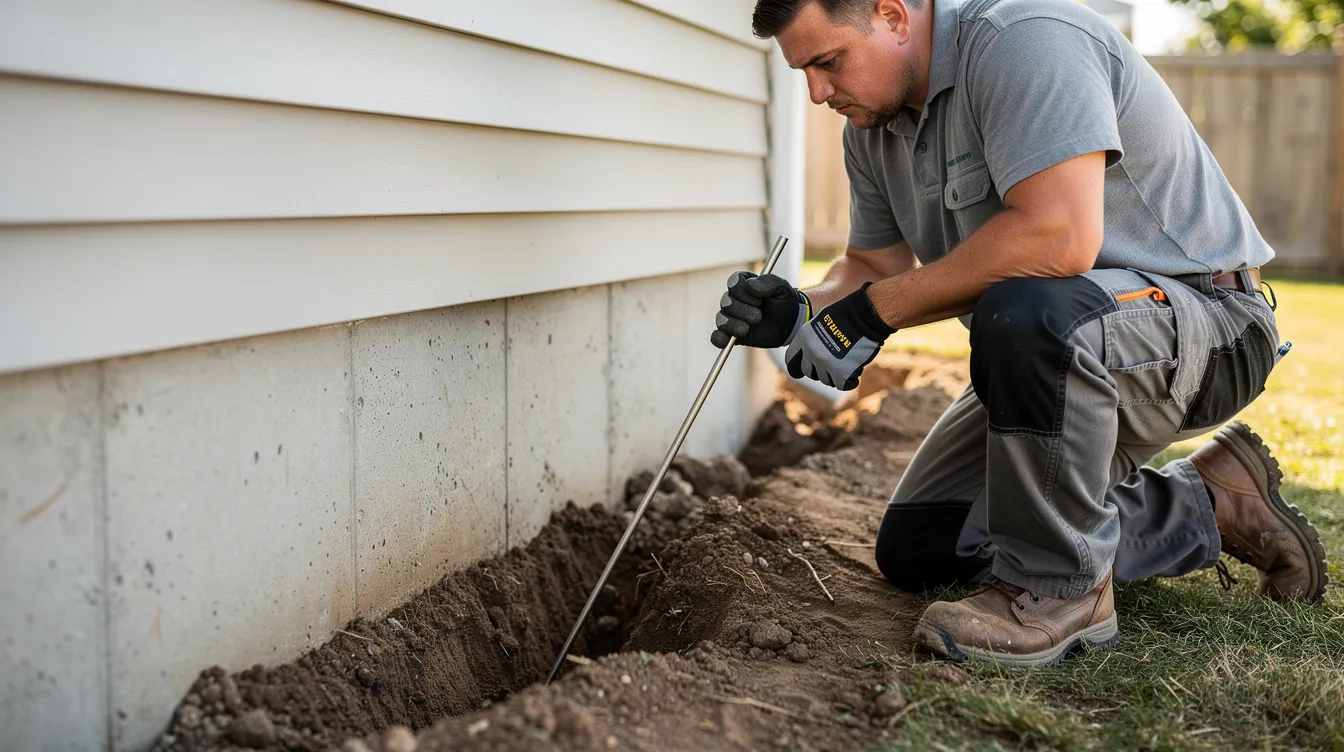
Tree Roots, Root Intrusion & Sewer Line Damage
Tree roots are one of the most common causes of main sewer line blockages, especially in older systems made of clay, concrete, or cast iron pipe. Joints and cracks in these materials become entry points for roots seeking moisture.
Tree root intrusion happens gradually. Tiny roots follow moisture trails to hairline cracks or gaps in pipe joints. Once inside, they expand into thick root masses that trap debris, toilet paper, grease, and anything else flowing through the line. Over time, roots can completely block or even crush the pipe.
Tree roots cause over 50% of sewer blockages in older systems. One USDA Forest Service study found that root removal costs roughly one-sixth of full pipe replacement when intrusion becomes severe-still significant, but far less devastating than total sewer line failure.
Warning signs of root intrusion include:
- Recurring clogs in multiple fixtures
- Gurgling noises and slow drains that temporarily improve after snaking
- Strong sewer odors in the yard near large trees
- Wet spots or unusually green patches of grass over the sewer line path
Certain tree species are especially aggressive. Willows, poplars, and silver maples are notorious for sending roots deep and far in search of water. Planting them close to the sewer line dramatically increases the risk of intrusion and future repairs.
Access through the sewer cleanout is critical for video inspection and root cutting tools to diagnose and control root intrusion without immediately resorting to excavation. Older homes may require more frequent cleanout inspections because of the materials used and the age of joints in the pipe.
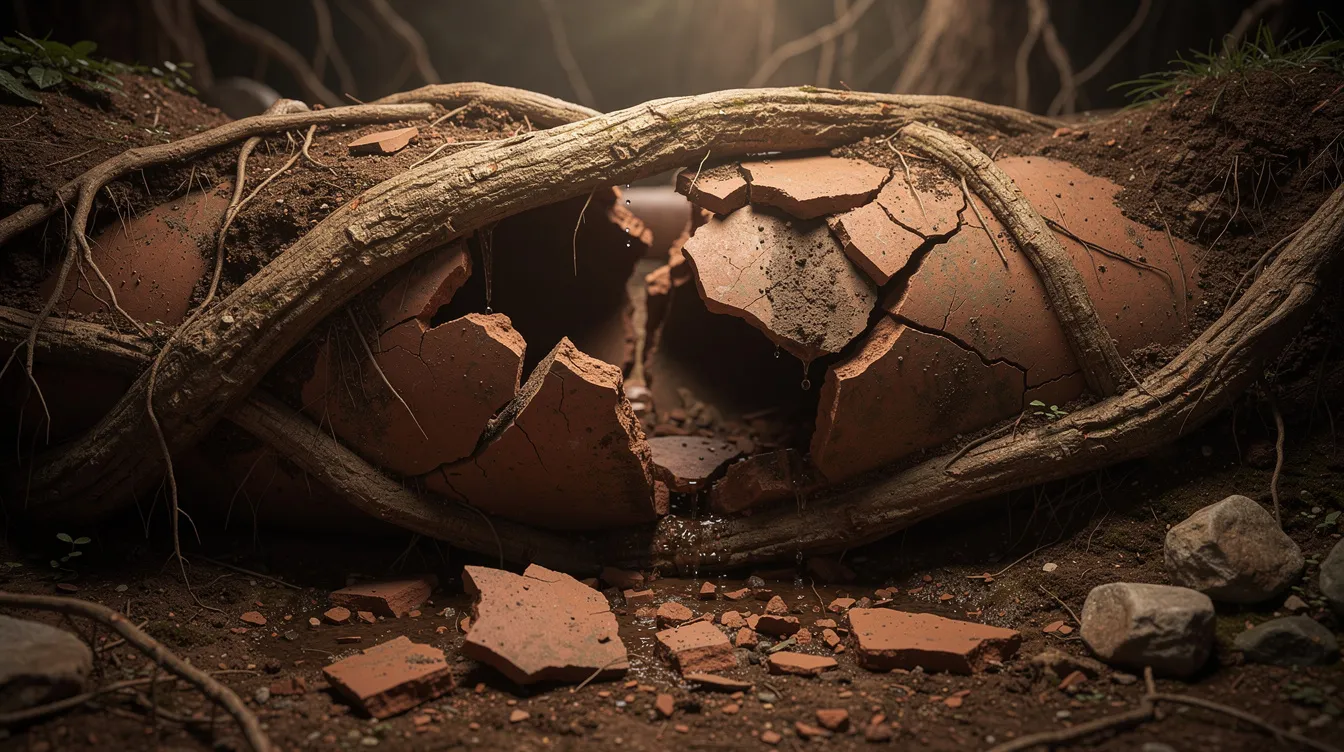
Using Video Inspection Through the Sewer Cleanout
Modern plumbers routinely use video inspection equipment inserted through the cleanout to see the full interior of the main sewer line. This technology has transformed how sewer problems are diagnosed, eliminating much of the guesswork that used to lead to unnecessary digging.
Here’s how it works: a flexible, camera-tipped cable is fed through the cleanout pipe and pushed along the sewer line. The camera transmits real-time footage to a monitor, letting the plumber see exactly what’s happening inside the pipe. Plumbers can use video cameras to diagnose issues through a sewer cleanout accurately and efficiently.
Video inspection can reveal:
- Root intrusion at joints or cracks
- Pipe bellies (sags where water and debris collect)
- Offset joints from soil movement
- Grease buildup along pipe walls
- Collapsed or crumbling sections
- Precise distance measurements from the cleanout to each problem area
This information allows accurate repair estimates, targeted excavation only where needed, and informed decisions between spot repair, pipe lining, or full replacement. Rather than digging up an entire yard to find the issue, a plumber can pinpoint the exact location and depth of the problem.
After any inspection, request a copy of the video file or a brief written report. Documenting the condition of your sewer system is valuable for future reference, insurance claims, or home sales where buyers want proof the line is sound.
Common Sewer Cleanout & Main Line Problems
Understanding the most frequent issues involving the cleanout itself and the attached main sewer line helps you recognize what might be going wrong before it escalates.
Cleanout-specific issues:
- Missing or broken caps that let dirt, gravel, leaves, or even rodents into the cleanout pipe
- Caps stuck due to corrosion (especially common with old metal fittings that screw tight and rust)
- Cleanouts buried under new landscaping, concrete patios, or mulch beds, making them inaccessible when you need them most
- Damaged or cracked cleanout fittings from soil settling, heavy equipment, or root pressure
Sewer line collapse is a serious cleanout problem. Older homes may lack adequate cleanout access entirely, which forces plumbers to use slower, more expensive methods.
Main sewer line issues detectable via the cleanout:
- Heavy grease buildup from kitchen drains
- Foreign objects like wipes, feminine products, and sanitary items that don’t break down
- Root intrusion forming dense masses at pipe joints
- Pipe offsets from soil movement or construction vibration
- Partial collapses in aging or corroded pipe
If you need repeated snaking from the same cleanout, it typically signals a deeper structural problem in the main sewer line. Rather than just getting it cleared again, request a video inspection to identify the root cause. Ignoring early warning signs can lead to full sewer backups into basements or crawl spaces, dramatically increasing cleanup and restoration costs.
Basic Sewer Cleanout Maintenance Homeowners Can Do
This section covers safe, simple tasks you can handle on your own: visual checks, keeping the area accessible, and basic recordkeeping. Heavy-duty drain work belongs to the professionals.
Monthly or bimonthly visual inspection:
- Confirm the cap is present and hand-tight (not cracked or missing). Some cleanouts have a round threaded cap; others have a square cap or a brass plug. Either way, check that it’s secure.
- Clear the surrounding area of rocks, mulch, weeds, or roots pressing against the pipe.
- Look for signs of leaking, settling, or damage around the cleanout fitting.
Annual inspections can help maintain sewer cleanouts and catch developing problems. Regular access to cleanouts prevents costly sewage backups by ensuring plumbers can reach the line immediately when called.
Documentation:
- Mark cleanout locations on a simple sketch of your property.
- Take photos with distance references (for example, “three feet from the gas meter”) so anyone can find them during an emergency.
- Label indoor cleanouts with a small tag or marker, especially in basements or utility rooms that may be cluttered or finished later.
What not to do:
Do not remove caps if you suspect the cleanout is under pressure from a major backup. If the line is clogged and full, opening the cap can release raw sewage suddenly. Call a professional instead.
Professional Sewer Line Cleaning & Hydro Jetting
While small clogs at one fixture may be DIY-friendly, full main sewer line cleaning is a job for a licensed plumber using specialized equipment. The tools and pressure involved can damage pipes if used incorrectly, and the health risks of working with sewage are real.
Mechanical cleaning (auger/drain snake):
Plumbers insert a motorized auger or drain snake through the cleanout to break up or retrieve soft blockages. This method works well for limited root intrusion, buildup of debris, and general clogs. However, snaking may not fully scour pipe walls or remove hardened deposits.
Hydro jetting:
Hydro jetting uses high-pressure water streams (typically 3,000–4,000 PSI) sent through the sewer line via the cleanout. The pressurized water blasts away grease, sludge, mineral scale, and small roots, restoring the pipe to near-original diameter and improving flow. Annual sewer line cleaning through hydro jetting or snaking can prevent costly repairs down the road.
Plumbing professionals typically perform a video inspection before and after hydro jetting. The pre-cleaning inspection ensures the pipe can withstand the pressure (severely compromised pipes might collapse), and the post-cleaning inspection verifies results.
Ask for a written service report listing what was removed (roots, grease, debris), the length of line cleaned, and any recommended follow-up repairs. This documentation becomes part of your home’s maintenance history and helps you plan regular maintenance going forward.
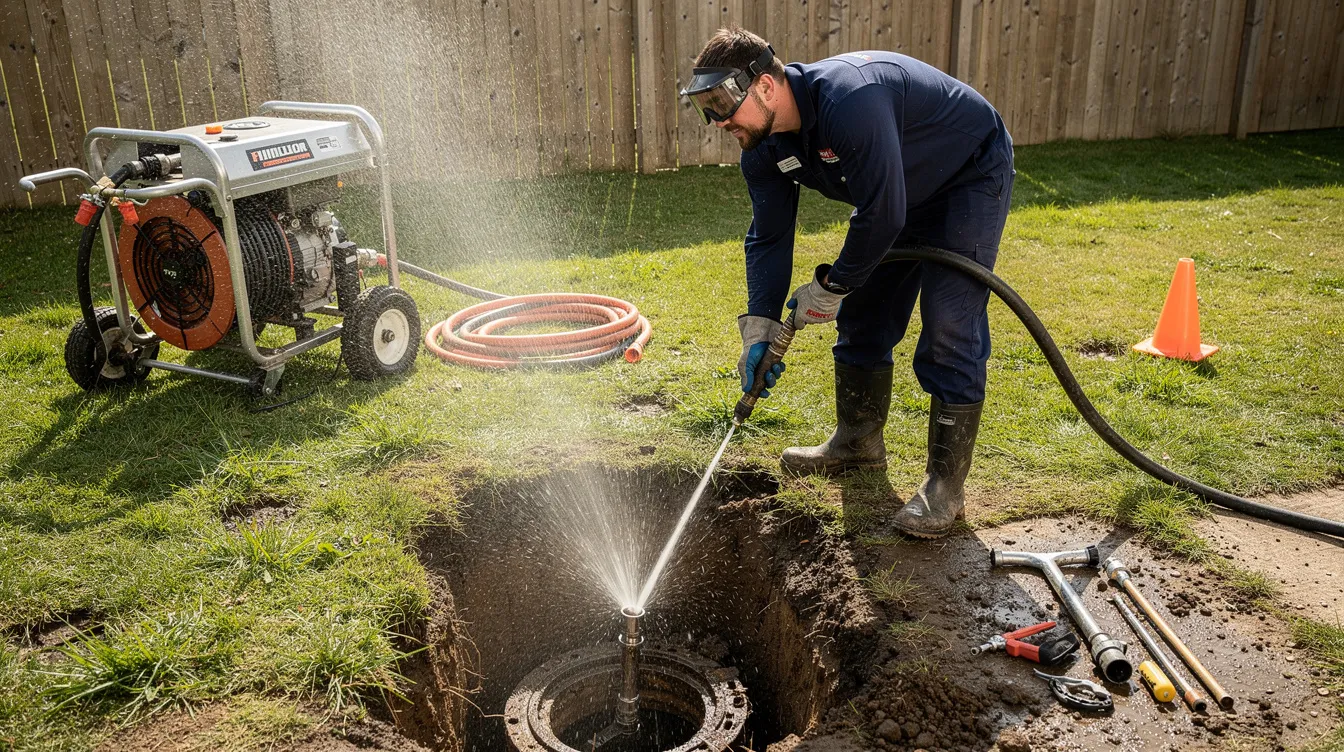
Preventing Future Clogs & Root Intrusion
Preventative maintenance is always cheaper than emergency repair. Careful daily habits and smart landscaping can dramatically reduce main sewer line emergencies.
Drain-use rules:
- Never flush “flushable” wipes, paper towels, toilet paper in excessive quantities, feminine products, or dental floss. These items don’t break down like toilet tissue and accumulate at bends and joints.
- Avoid pouring fats, oils, and grease down kitchen drains. Let them cool, screw on a jar lid, and throw them in the trash.
- Scrape plates into the garbage before rinsing them in the sink.
In-drain protection:
Install mesh strainers on shower and sink drains to limit hair and solids from entering the sewer system. Clean these strainers regularly-a two-minute task that prevents buildup over months.
Landscaping strategy:
- Keep large trees and deep-rooted shrubs at least 10–15 feet away from the known sewer line path.
- If planting closer to the line can’t be avoided, consider installing a physical or chemical root barrier.
- Be aware that different materials in older pipes (clay, concrete) are far more vulnerable to root intrusion than modern PVC.
In neighborhoods with many mature trees and older sewer lines, scheduling preventive sewer line cleaning every one to two years via the cleanout can greatly reduce surprise blockages. This is especially true for properties where previous inspection has revealed roots or joint deterioration.
When to Call a Plumber Immediately
Some sewer issues can’t wait. Delaying professional help can lead to property damage, health risks, and costs that multiply by the hour.
Emergency scenarios:
- Sewage backing up into tubs, showers, or floor drains
- Multiple toilets overflowing at once
- Foul sewer odors inside the home that won’t dissipate
- Visible sewage pooling in the yard around the suspected sewer line path
If removing the cleanout cap releases standing sewage or strong pressure, replace the cap immediately and contact a licensed plumber. Do not attempt to fix a pressurized main line yourself-the exposure to raw sewage carries serious bacteria and mold risks.
Homes with elderly residents, children, or immunocompromised individuals should treat any sewage exposure as urgent. Most homes have at least one sewer cleanout outside, which means a plumber can begin work quickly without needing interior access first.
Until a professional has assessed the main sewer line through the cleanout, shut off all water usage inside the home-dishwashers, washing machines, showers, and avoid flushing any toilet. This prevents additional wastewater from feeding into an already blocked line.
Digital Vibes Agency: Turning “Sewer Cleanout” Know‑How into Local Leads
Digital Vibes Agency is a Chandler, AZ–based digital marketing agency that helps plumbing and sewer service companies turn technical expertise-like sewer line cleanout services-into a steady stream of customers through SEO and paid advertising.
Strong SEO content built around terms such as “sewer cleanout,” “main sewer line repair,” and “video inspection for tree root intrusion” can capture high-intent local searches on Google. When a homeowner searches for help with a clogged sewer line at 10 PM, your business needs to appear at the top of those results. That’s where data-driven content marketing and local SEO come in.
Targeted PPC campaigns through Google Ads and Meta Ads can promote emergency sewer line services, 24/7 root intrusion removal, and video inspections to homeowners within specific ZIP codes. Rather than casting a wide net, Digital Vibes Agency focuses your ad spend on the neighborhoods and demographics most likely to convert.
The agency also supports web design, local SEO optimization, and lead-tracking analytics so plumbing businesses can see exactly how many calls and form fills each sewer cleanout campaign generates. No guesswork-just measurable results.
If you run a plumbing or drain-cleaning company in the Phoenix or Chandler region and want to grow your sewer system service revenue, contact Digital Vibes Agency for a data-driven growth plan focused on high-margin services that homeowners actively search for.
Frequently Asked Questions About Sewer Cleanouts
These questions address practical concerns that homeowners frequently raise but that aren’t fully covered in the main sections above. Answers are kept concise and focused on actionable guidance rather than technical jargon.
Each question appears as its own heading with a short paragraph answer directly below.
How much does it cost to install a new sewer cleanout?
Costs vary depending on pipe depth, yard conditions, materials, and local labor rates. As a general range, many U.S. homeowners pay roughly $1,000 to $3,500 for a standard exterior sewer line cleanout installation, with about $2,000 being a common midpoint as of 2026. The cost rises if the line is buried at significant depth, if concrete or asphalt removal is required, or if the home has complex older systems with different materials that complicate the work.
Adding a cleanout during a planned sewer line replacement is usually cheaper than retrofitting one later because the trench is already open. Get at least two estimates from licensed plumbers, and ask whether permits, inspection fees, and landscaping restoration are included in the quoted cost. Some jurisdictions require a permit for any work on the building sewer, so factor that into your budget.
Are sewer cleanouts required by building codes?
Most modern plumbing codes-such as the International Plumbing Code adopted by many U.S. cities-require at least one accessible sewer cleanout on the building drain, usually near where it exits the foundation. Additional cleanouts may be required at distances no greater than 100 feet apart, at each major change in direction along the sewer line, and at the junction between the building drain and the building sewer.
Older homes built before current codes took effect may legally lack cleanouts. However, adding one when renovating or replacing the sewer line is strongly recommended for both convenience and long-term cost savings. Check with your local building department or a licensed plumber for the exact rules in your city or county, as some jurisdictions adopt the IPC directly while others use the Uniform Plumbing Code or local amendments.
Can I open the sewer cleanout cap myself?
A homeowner can sometimes safely loosen a cleanout cap slightly to check for standing water. However, doing this during an active backup can release raw sewage under pressure, creating a messy and potentially hazardous situation. If water or sewage immediately appears at the top of the cleanout when the cap is cracked open, replace the cap and call a professional plumber right away.
Old metal caps may be rusted or corroded in place. Forcing them with large wrenches or cheater bars can crack the pipe or fitting, leading to leaks or costly repairs. Some caps are a square cap design that requires a specific wrench. If you try to screw or unscrew a stuck plug and it won’t budge, stop. Leave full removal of stuck caps and any use of powered equipment to licensed professionals with proper protective gear who can inspect and fix the situation safely.
How often should I have my main sewer line inspected?
Many plumbers recommend a video inspection every three to five years for homes with newer PVC sewer lines and every one to three years for older properties or those with large trees nearby. Homeowners who have experienced previous root intrusion, frequent clogs, or sewage backups should consider more frequent inspections until the underlying issue is fully resolved.
Scheduling an inspection before buying or selling a home can prevent unpleasant surprises and give both parties clarity on the sewer system’s condition. Video inspections are typically less expensive than major repairs and can extend the life of the main sewer line by catching small problems early-saving you money over the life of the home.
What happens if my home doesn’t have a sewer cleanout?
Plumbers can still access the sewer line by removing a toilet or using roof vents, but these options are slower, messier, and often more expensive than using a dedicated cleanout. Without a cleanout, even a routine snaking job becomes a bigger project requiring more labor and more disruption inside the house.
If the property’s main sewer line needs frequent service or shows signs of deterioration, many plumbing professionals will recommend adding at least one exterior cleanout during the next repair. Installing one makes future video inspections, hydro jetting, and emergency blockage removal faster and less invasive. Over time, a cleanout often pays for itself through reduced service calls and avoided excavation. If you own an older home, ask a plumber during your next service visit whether adding a cleanout would be beneficial and what the expected cost would be for your specific sewer system layout. It’s one of the smartest investments you can make in preventative maintenance.
Share this post:


