


Key Takeaways
- A clogged sewer drain is a plumbing emergency—if you notice multiple drains backing up, sewage odors, or gurgling sounds from toilets, stop using water immediately and call a professional plumber.
- Common causes in Bellevue include tree root intrusion into older clay or concrete sewer lines, grease buildup from kitchen sinks, and flushing items like wipes or feminine hygiene products.
- DIY methods such as plunging, boiling water, or using a small drain snake work only for minor clogs; raw sewage, widespread backups, or repeated issues require a licensed plumber with camera inspection and hydro jetting capabilities.
- Early detection and professional repairs prevent basement flooding, drywall damage, and mold—serious risks given our rainy Puget Sound climate.
- This article walks you through symptoms, causes, safe first steps, professional repair options, and prevention tips tailored specifically to Bellevue-area homes.
What Is a Sewer Drain Clog and Why It Matters
Your home’s sewer line is the main drain line that carries all wastewater from toilets, showers, sinks, dishwashers, and laundry machines to the municipal sewer system, while separate fixtures like your water heater rely on well-maintained professional water heater services in Bellevue to operate safely and efficiently. In Bellevue and King County, this sewer pipe typically runs from your house to the city main located under the street or alley. A sewer drain clog is a blockage in this main line—not just a single slow kitchen sink drain or shower. A clogged drain refers to an individual fixture’s pipe, while a clogged sewer line connects all the drains in a home to the municipal sewer system.
When a clogged main sewer line occurs, wastewater has nowhere to go. Instead of flowing away from your home, it backs up through the lowest drains—often basement floor drains or first-floor bathtubs. This can quickly become a plumbing emergency because raw sewage in your living space creates health hazards and can cause serious damage to flooring, drywall, and belongings.
Here’s something Bellevue homeowners should know: much of our housing stock dates from the 1960s through 1990s. Many homes still have aging sewer laterals made from clay or cast iron that are more prone to cracks, root intrusion, and clogs than modern PVC pipes. Understanding this distinction helps you respond appropriately when plumbing issues arise.
How to Tell If You Have a Sewer Drain Clog
Recognizing warning signs early can save you thousands in cleanup and restoration costs. Here’s what to watch for:
Multiple fixtures backing up simultaneously. When toilets, tubs, and floor drains all refuse to drain properly at the same time, this indicates a main sewer problem rather than a clogged drain at a specific drain location.
Cross-connection backups. Dirty water rising in your bathtub or shower when you flush a toilet or when water drains from the washing machine signals that pressure from one fixture is forcing wastewater back through another.
Gurgling sounds. Trapped air in blocked pipes creates gurgling noises from toilets or nearby drains when other fixtures are used. This indicates partial blockage in your plumbing system.
Slow drainage throughout the house. Slow drains affecting multiple areas—especially lower-level fixtures—suggest a developing main line obstruction.
Persistent foul odors. Unpleasant smells around toilets, floor drains, or in your yard near the sewer line route indicate backup conditions.
Here’s a concrete example: You flush the toilet on the main floor and see brown water bubbling up from the basement floor drain. This strongly suggests a main sewer drain clog requiring professional assistance.
After heavy Bellevue rain, backups limited to your lowest drain might indicate a partially blocked or undersized line that still needs evaluation—even if it clears on its own.
Common Causes of Sewer Drain Clogs in Bellevue, WA
Most sewer line problems develop gradually from everyday habits combined with local ground and weather conditions. Here are the main culprits in our area:
Flushed items that don’t belong. Wipes (even those labeled “flushable”), paper towels, feminine hygiene products, dental floss, and cotton swabs create blockages because they don’t break down like toilet paper. These accumulate at bends and joints, causing major blockages over time.
Kitchen grease and food waste. Grease buildup from bacon fat, butter, and cooking oils solidifies in pipes as it cools, narrowing water flow. Food scraps from the garbage disposal—especially coffee grounds, rice, pasta, and soap scum—catch on rough pipe surfaces and expand.
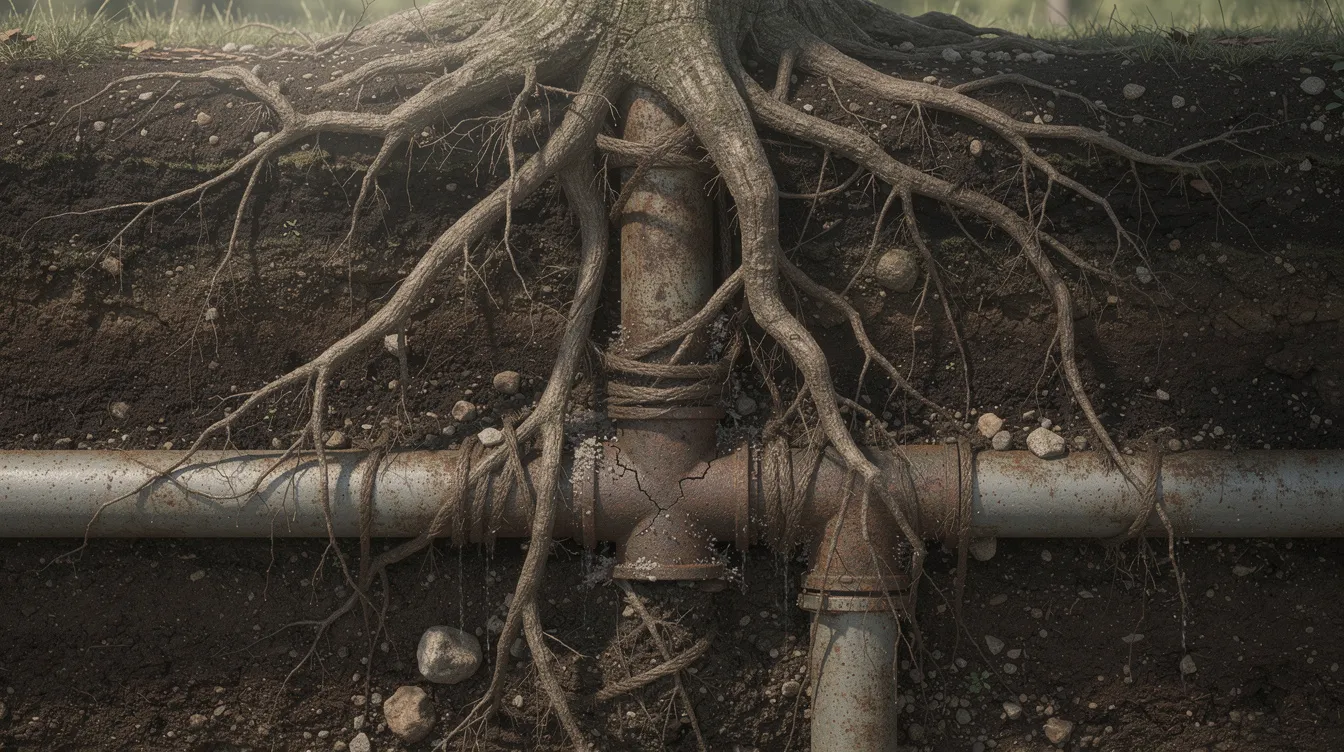
Tree roots. This is huge for Bellevue. Roots from mature maples, Douglas firs, and cedars seek moisture and can enter small cracks in older pipes, forming dense blockages. Tree root intrusion is especially common in established neighborhoods like Lake Hills, Enatai, and Northeast Bellevue where clay sewer lines meet large, mature trees.
Mineral deposits and scale. Hard water leaves limescale inside older pipes, gradually reducing pipe diameter and creating rough surfaces where debris accumulates.
Ground movement. Our region’s wet seasons, drought swings, and nearby construction cause soil shifting that makes pipes sag, crack, or separate at joints.
Construction debris. During remodels, concrete, grout, or other materials accidentally washed into floor drains can create stubborn blockages in the main drain.
If you frequently experience clogs around large trees or after kitchen-heavy holidays like Thanksgiving, consider this a sign of an underlying chronic cause worth investigating.
Immediate Steps to Take When Your Sewer Drain Is Clogged
Plumbing troubles aren’t fun—we get it. If you’re currently experiencing a backup, here’s what to do right now, and when to involve a 24/7 Bellevue drain and sewer specialist:
Stop using water immediately. Don’t flush toilets or use sinks, showers, dishwashers, or laundry. Every drop forces more wastewater into your already-blocked system.
Shut off the main water supply. Locate your shutoff valve (typically in the basement, garage, or near the water meter) and turn it off to prevent accidental use by family members.
Keep people and pets away. Close doors to affected bathrooms or basements. Sewage backing up carries bacteria, viruses, and parasites that pose health risks.
Protect belongings. If safe and not in contact with sewage, move boxes, furniture, and electronics away from backup areas.
Skip chemical drain cleaners. Caustic chemicals often can’t reach a main sewer clog, can damage older pipes, and create hazardous fumes in enclosed spaces.
Document everything. Take photos and short videos of the backup and damaged items for potential insurance claims.
Call a professional plumber. Given the health hazards and complexity of a clogged sewer line, this isn’t a wait-and-see situation. If sewage is actively flooding, contact both a plumber and a professional water damage company, since timely professional drain cleaning and clearing services are critical to stop the backup and prevent further damage.
Safe DIY Attempts for Minor Sewer Drain Issues
Strong disclaimer here: DIY methods are only appropriate for mild, early symptoms—like one low-level backup with no raw sewage present. Severe clogs, repeated backups, or visible solids require professional help.
Using a plunger. A flange plunger works best for toilets; a cup plunger suits tubs and sinks. Fill the fixture with a few inches of hot water, create a tight seal, and plunge with steady, vigorous strokes for 20-30 seconds at a time.
Boiling water for grease. This works only for metal kitchen drains (not PVC). Pour 1-2 kettles of boiling water slowly over 5-10 minutes to soften grease buildup. Watch for burn hazards.
Small hand auger. A basic drain snake from the hardware store may clear blockages near a clean out or immediate bends, but stubborn or recurring issues are better handled by a top plumbing, drain, and sewer company in Bellevue. Be gentle with older pipes to avoid puncturing them. Note that this tool rental approach cannot fix deep main line or root issues.
Critical safety note: Never open a main cleanout plug if sewage is pressurized behind it—this can release a sudden, hazardous surge.
If DIY methods provide only short-term relief and drains clog again within days, you’re dealing with a deeper sewer clog that needs professional inspection.
Professional Diagnosis and Repair of Sewer Drain Clogs
Main sewer drain clogs require specialized equipment and training that homeowners simply don’t have access to. Comprehensive drain and sewer services in Bellevue typically include advanced diagnostics and repairs. Here’s what professionals bring to the table:
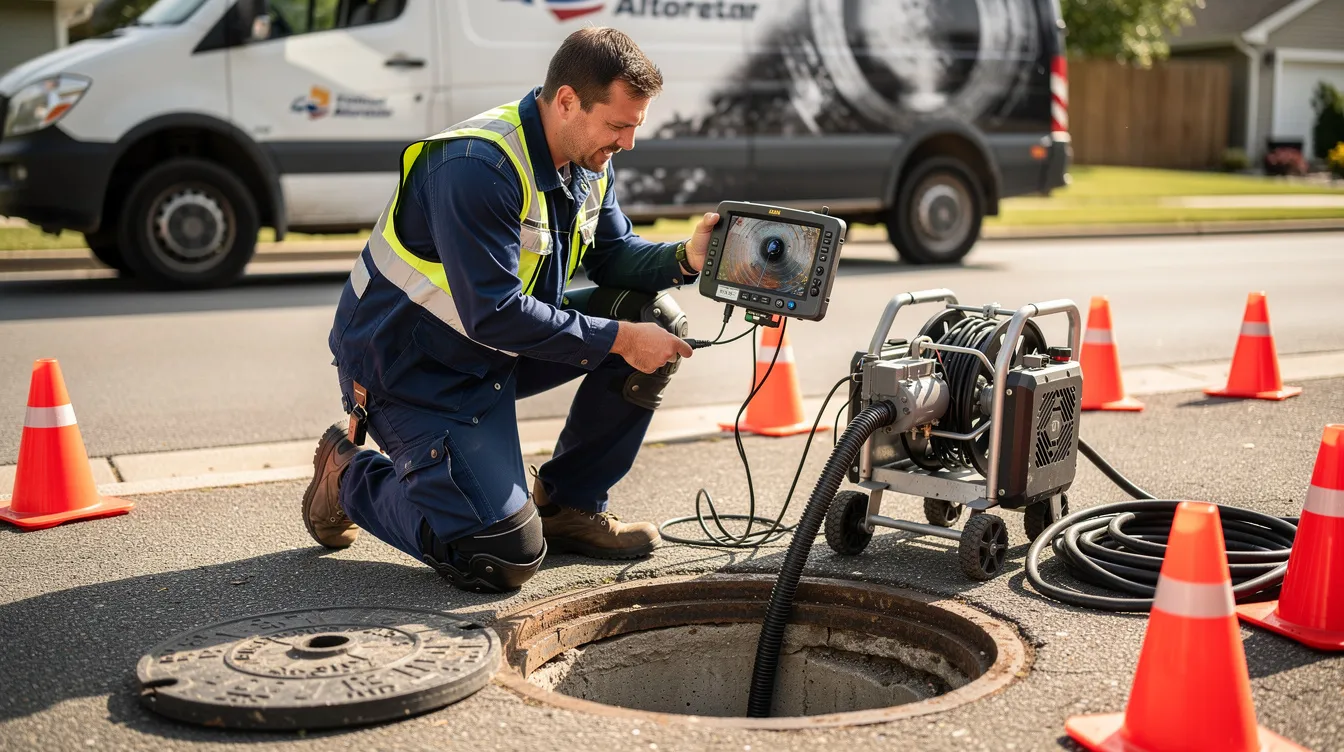
Video camera inspection. Plumbers feed a waterproof camera through an existing cleanout or pulled toilet. Live footage reveals root intrusion, collapsed sections, bellies (sags), heavy grease, and foreign objects. Distance markers help locate problems under driveways, lawns, or sidewalks—critical for planning repairs.
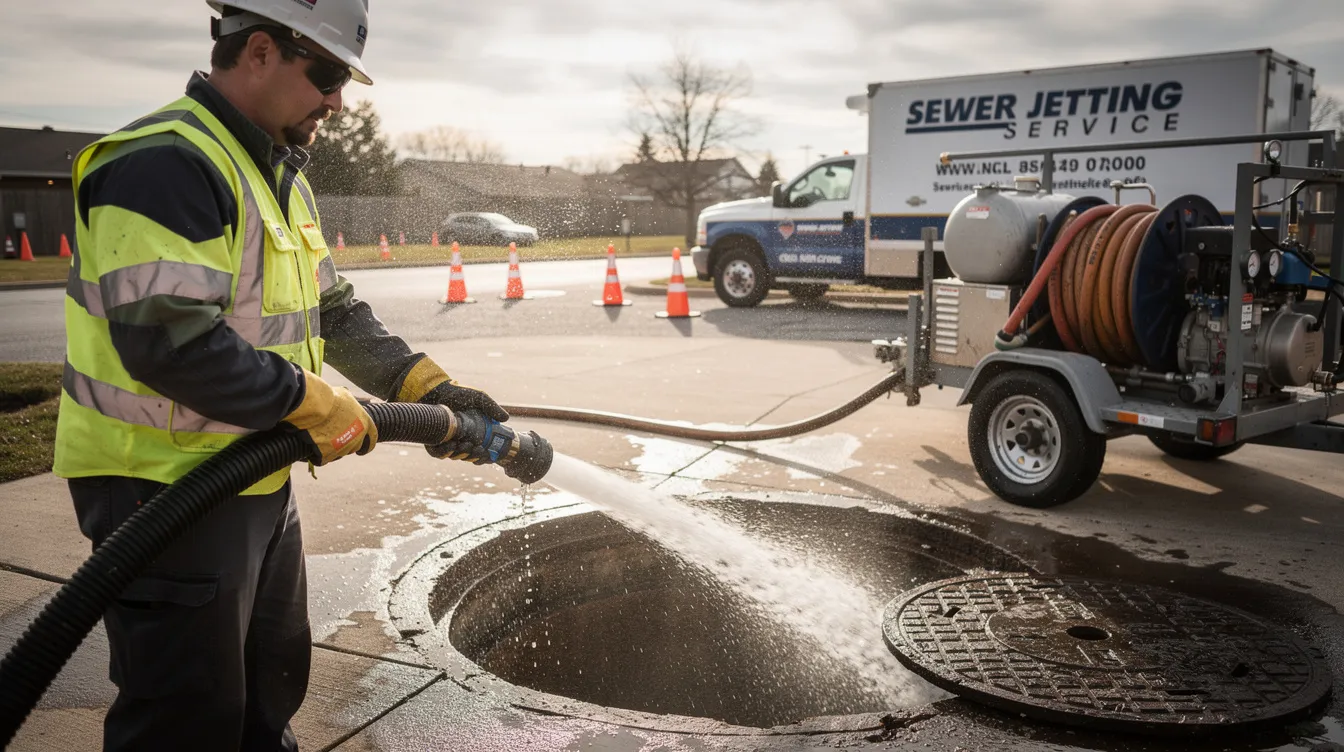
Professional clearing methods include:
| Method | Best For | How It Works |
|---|---|---|
| Motorized drain snake | Tree roots, solid blockages | Cutting heads break through obstructions |
| Hydro jetting | Grease, scale, debris | 3,000-4,000 PSI water scours pipe walls |
| Root treatment | Preventing regrowth | Professional products applied after clearing |
| Repair and replacement options: |
- Spot repairs for small damaged sections
- Trenchless methods like pipe bursting and cured-in-place pipe (CIPP) lining that minimize yard damage
- Full line replacement for severely collapsed or repeatedly failing laterals
In Bellevue, work in the public right-of-way or connections to the city main often require permits through the City of Bellevue Utilities Department. Reputable plumbers handle this on your behalf.
Always ask for a clear written estimate, camera footage of the problem, and warranty terms before approving work.
Preventing Future Sewer Drain Clogs
After repairs, follow this checklist to keep your plumbing system flowing smoothly:
Change your habits:
- Only flush human waste and toilet paper—never wipes, paper towels, or feminine products
- Collect cooking grease in a container and throw it in trash
- Use sink strainers to catch food scraps and hair
Schedule professional maintenance:
- Get sewer line inspections every 18-24 months for older homes or properties with large trees
- Consider scheduled hydro jetting for high-use households
Yard and landscaping tips:
- Avoid planting large trees over known sewer routes
- Call 811 before any digging
- Investigate perpetually lush or wet lawn patches—they may indicate leaks
Keep a plumbing log noting dates of backups, drain cleaning visits, and repairs. This helps both you and plumbers spot patterns.
With Bellevue’s frequent rain, maintain your gutters, downspouts, and foundation drains properly to prevent excess groundwater from overloading compromised sewer laterals.
Frequently Asked Questions About Sewer Drain Clogs
FAQ: Sewer Drain Clogs
Is a clogged sewer drain considered a plumbing emergency?
Yes, absolutely. A sewer clog can quickly lead to sewage backing up into living spaces, creating health hazards and causing expensive water and mold damage. If multiple fixtures are backing up or sewage is visible on floors, treat this as urgent and call a professional immediately—even outside business hours. Waiting just a few hours during an active backup can worsen damage significantly.
How can I tell if the problem is my house sewer line or the city’s main?
If only your home is affected, the issue is usually in your private sewer lateral between the house and city main. If multiple neighbors have backups simultaneously, the city main may be involved. Bellevue Utilities can sometimes confirm city main problems, but a plumber’s camera inspection of your private line is usually needed to pinpoint the clog location.
Will homeowners insurance cover damage from a sewer drain clog?
Standard policies often exclude sewer backup damage unless you’ve specifically added a “sewer and drain backup” endorsement. Review your policy and consider adding this coverage given potential cleanup costs. Document any clog events with photos, videos, and invoices to support potential claims.
How often should I have my sewer line inspected or cleaned?
Homes with modern PVC lines and no history of problems may only need inspections every few years. Older homes (pre-1990s), properties with big trees nearby, or homes with past clogs should get inspected every 18-24 months. A local licensed plumber familiar with Bellevue soil conditions can provide specific guidance.
Is it safe to live in my home after a sewer backup if I’ve cleaned it myself?
Minor backups caught early and cleaned with protective gear and disinfectants may be manageable. However, anything involving soaked drywall, carpets, or insulation should be handled by professional remediation. Raw sewage carries harmful pathogens, and porous materials often need removal. Hidden moisture causes mold if not dried correctly—a real concern in our damp climate.
Share this post:


