


Nobody plans for a sewer emergency. One day everything flushes fine, and the next you’re standing in a puddle of something you’d rather not think about. If you’re dealing with sewage backups, a foul smell coming from your drains, or a yard that’s suddenly soggy in all the wrong places, you’re in the right place. This guide walks you through everything you need to know about getting a proper sewer fix – from spotting the first warning signs to choosing the smartest repair method for your home and budget.
Summary Box
- Act fast on warning signs. Multiple slow drains, a gurgling sound when flushing, and persistent sewage odors all point to a main sewer line problem that can escalate from an inconvenience to foundation damage and serious health hazards within days or weeks.
- Modern trenchless methods save time and money. Techniques like cured in place pipe lining and pipe bursting can often repair a broken sewer pipe in one to two days with minimal disruption to your yard and driveway.
- Older pipes are the usual suspects. Cast iron and clay sewer pipes installed before the 1980s are especially vulnerable to cracks, corrosion, and tree root intrusion – if your home is from that era, a proactive sewer line inspection is worth every penny.
- Regular maintenance is your cheapest insurance. Annual inspections and professional cleaning cost a fraction of an emergency sewer fix or full replacement, and they can extend the life of your existing sewer line by decades.
- Get a camera inspection before committing to any repair. Sewer line inspections can prevent costly repairs by detecting issues early and helping you choose the best repair method for your specific situation.
Understanding Your Main Sewer Line and Why It Fails
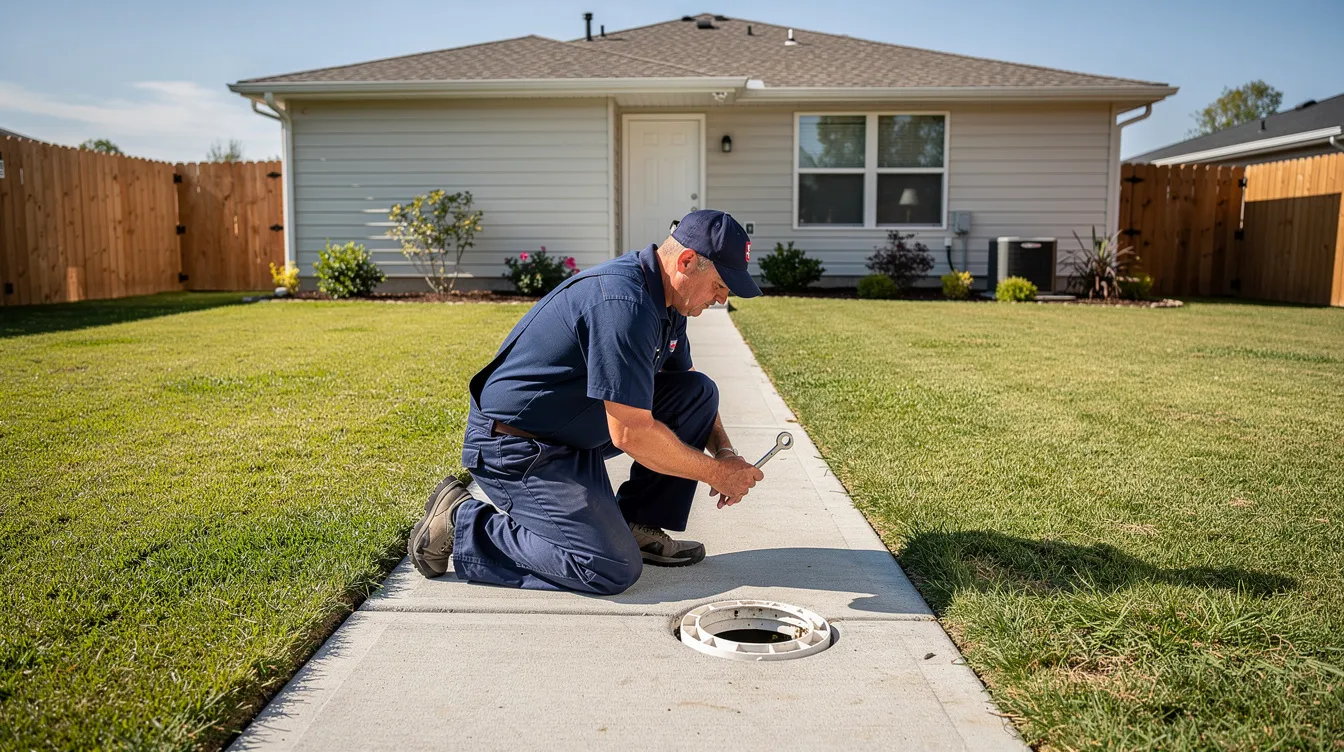
Your main sewer line is the single underground pipe that carries all the wastewater from your home’s plumbing system – every toilet, sink, shower, and washing machine – out to the city main sewer or your septic tank. It runs beneath your yard, usually four to eight feet deep, and connects to lateral lines that branch off to individual fixtures inside.
The pipe material largely depends on when your house was built:
| Material | Common Era | Expected Lifespan |
|---|---|---|
| Vitrified clay | Pre-1975 | 50–60 years |
| Cast iron | Pre-1975 | 50–75 years |
| Orangeburg (fiber) | 1940s–1970s | 30–50 years |
| PVC / HDPE | 1980s–present | 80–100+ years |
| Galvanized steel | Early–mid 1900s | 40–50 years |
Even the toughest pipe material breaks down eventually. Common stressors that lead to a broken sewer include tree root intrusion through aging joints, ground movement from freeze-thaw cycles or nearby construction, heavy vehicle loads compressing soil above the pipe, and decades of grease and other debris building up inside. When your main sewer line fails, it affects the entire plumbing system – not just one fixture. A damaged pipe in the main run means every drain in the house is compromised.
How to Tell You Need a Sewer Fix Right Now
Sewer issues rarely announce themselves politely. They tend to start with subtle hints and escalate quickly. Recognizing a sewer line issue early can prevent property damage and health hazards, so here’s what to watch for.
Interior warning signs:
- Multiple slow drains happening at the same time – this is one of the clearest signs of sewer line issues and indicates a main sewer line issue rather than a single blocked drain
- Frequent toilet backups or water backing up into tubs when you flush
- A gurgling sound when flushing, which suggests a sewer blockage forcing air through the plumbing due to a blockage
- Persistent sewage odors around the home, which signal a potential sewer line problem – often a broken pipe or sewage backup
Exterior clues:
- Soggy spots or sinkholes in the yard, especially along the pipe route
- Lush patches in your yard that are suspiciously greener than surrounding grass – these may indicate a leaking sewer line fertilizing the soil
- Visible rat holes near the foundation or pest infestations near drains
Structural and health red flags:
- Foundation cracks can result from a broken sewer line undermining soil support
- Mold growth near lower-level walls, and pest infestations and mold growth can point to leaks creating damp environments
- Unexplained spikes in your water bill, often caused by underground leaks
The key distinction: a single clogged drain usually means a localized problem. But when all basement fixtures back up at the same time, or clogged drains appear throughout the house simultaneously, you’re almost certainly looking at a main sewer issue. Common red flags of sewer line issues include water backing up and multiple slow drains happening at once.
Diagnosing Main Sewer Line Damage
Accurate diagnosis prevents unnecessary excavation and helps you and your contractor choose the most cost effective repair method. Here’s how a professional plumber typically works through the process.
Step one is the symptom interview – the plumber asks about recurring problems, timing, and which fixtures are affected. Basic drain testing helps narrow down whether the trouble is isolated or system-wide. Identifying the main sewer cleanout helps professionals access the line effectively for the next step.
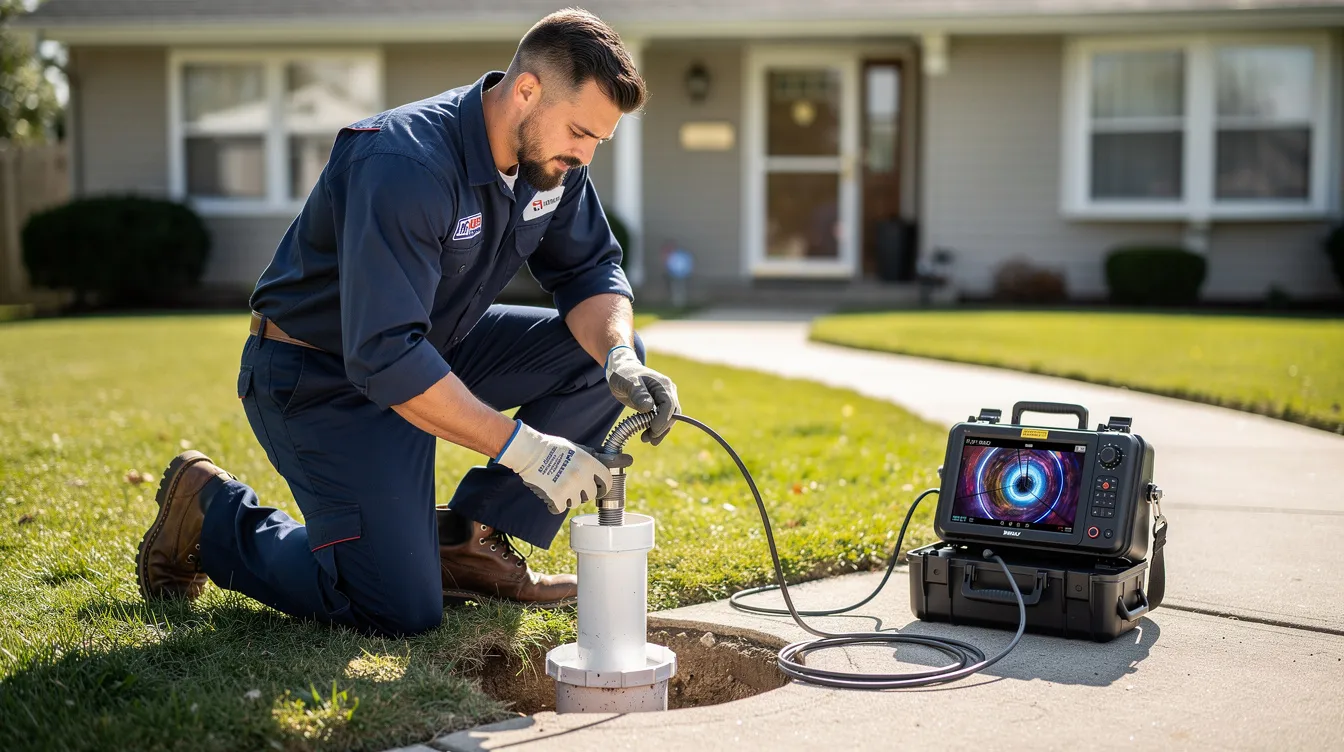
Step two is a sewer line inspection using a CCTV camera. Video camera inspections identify clogs and structural issues by sending a fiber-optic camera through the cleanout into the pipe. CCTV inspections provide a clear view of pipe conditions, revealing tree roots, bellies (sags where water pools), cracks, offset joints, collapsed sections, and the pipe material – whether it’s cast iron, clay, or PVC.
Step three involves sewer line mapping. Plumbers use line-locating equipment to map the pipe path and depth before any digging or trenchless work begins. Sewer line mapping helps pinpoint problem areas before repairs and protects nearby utilities from accidental damage.
Always ask for a written inspection report or video clip. This lets you compare repair options and get second opinions if major work is recommended.
Common Causes of Broken or Clogged Sewer Lines
Understanding what went wrong helps you pick the right fix and prevent a repeat. Here are the most common culprits behind damaged sewer lines:
- Tree roots: Roots naturally seek moisture and enter through tiny cracks or loose joints, especially in clay and older cast iron pipes. Once inside, they trap grease, wipes, and other debris until the pipe is completely blocked or cracked. If you need to clear roots from pipes more than once a year, that often indicates pipe damage that cleaning alone won’t solve.
- Aging and corrosion: Corroded pipes – particularly 40- to 70-year-old cast iron – deteriorate from the inside as hydrogen sulfide gas forms sulfuric acid. The rough, scaling interior snags everything that passes through until the old pipe eventually cracks or collapses.
- Soil movement and settling: Freeze-thaw cycles, new construction nearby, or heavy vehicle loads can shift or crush underground pipes, creating sags, offsets, or a fully broken pipe.
- Improper use: Flushing wipes, paper towels, and pouring kitchen grease down sinks leads to stubborn blockages. Chemical drain cleaners are often ineffective against severe blockages and can actually accelerate corrosion in older pipes.
- Undersized or poorly installed lines: Many mid-twentieth-century homes have original lines that were never designed for modern water loads – more bathrooms, dishwashers, and laundry machines than the builders ever imagined.
Choosing the Right Sewer Fix: Repair Methods Explained
There’s no one-size-fits-all sewer fix. The best repair method depends on the pipe material, age, length of damage, and how accessible the line is. Severity of damage affects repair methods – minor cracks may need relining while collapsed pipes need excavation or bursting. Budget considerations can influence the choice between trenchless methods and traditional excavation, and location of the problem influences whether trenchless methods are necessary to avoid disruption.
A reputable contractor should present at least two realistic repair options whenever possible, so you can weigh disruption, duration, and long-term durability side by side.
Traditional Dig-and-Replace Sewer Repair
Traditional excavation is still the go-to when the existing pipe is fully collapsed, severely misaligned, or unreachable by lining tools. Traditional excavation may be necessary for severely misaligned or collapsed pipes that trenchless equipment simply can’t navigate.
The process: dig a trench along the pipe route, cut out the broken sewer pipe section, replace it with a new pipe (typically PVC or HDPE), backfill, and restore the surface. Traditional excavation requires digging a trench to expose the pipe for repair or replacement – which means your driveway, patio, or landscaping may take a hit.
Pros: Full visual access to soil and pipe, ability to correct slope problems, and the option for full replacement or upsizing the entire line.
Cons: Traditional repairs involve larger disruption to yards and driveways, longer project timelines (two to five days or more), and higher restoration costs. Extensive excavation and extensive digging are the biggest drawbacks, along with the added expense of digging trenches through concrete or asphalt.
This repair method remains common for short sections near foundations or where multiple utility lines cross the main sewer.
Trenchless Pipe Lining (Cured In Place Pipe)
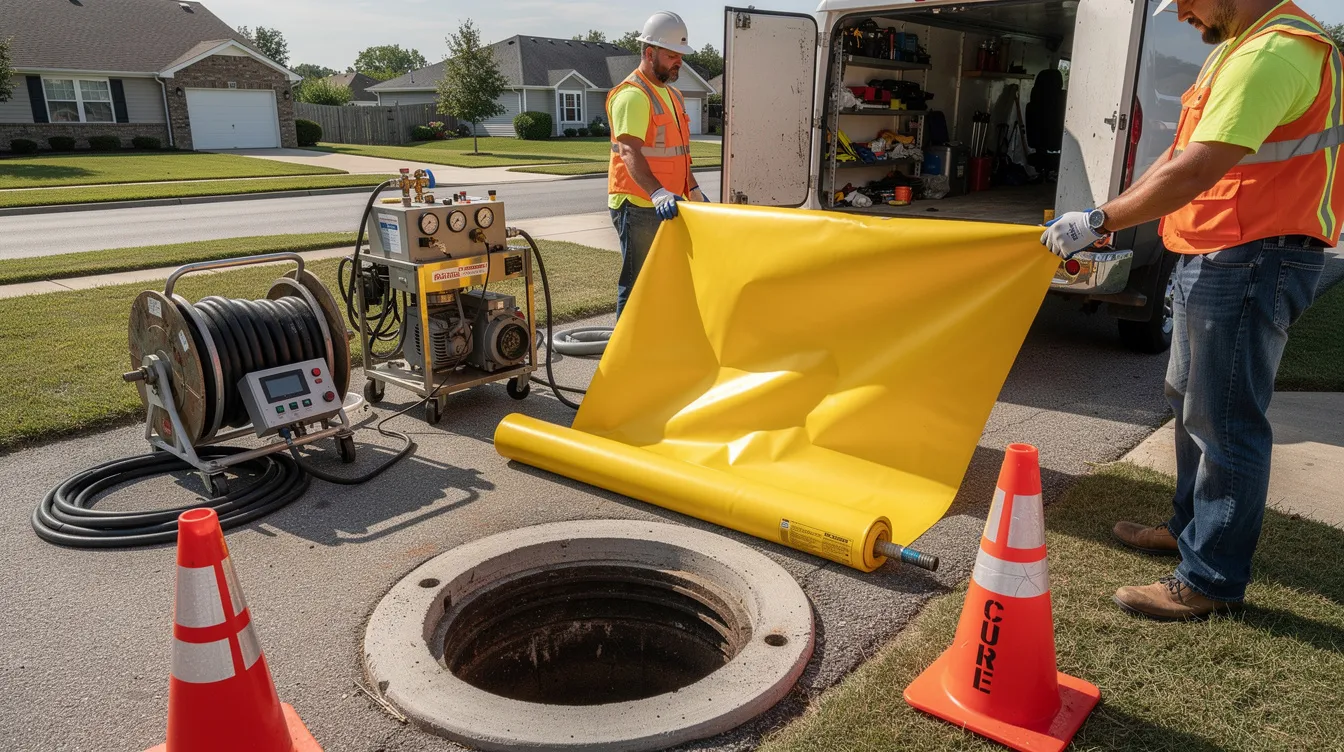
Cured in place pipe (CIPP) lining is a trenchless sewer repair method that creates a brand-new pipe inside the old one – often in a single day with minimal disruption. Trenchless pipe lining involves inserting a resin-coated tube to form a new pipe within the existing pipe.
Here’s how it works:
- The existing pipe is cleaned thoroughly, usually with hydro-jetting
- A flexible liner saturated with durable epoxy resin is inserted (the process involves inserting the liner through an access point)
- The liner is inflated to conform to the pipe’s shape
- It’s cured with hot water, steam, or UV light to harden into a smooth, jointless pipe lining
Once cured, the liner seals cracks, covers small holes, and blocks root intrusion. Pipe relining involves inserting a flexible tube coated with epoxy into the damaged pipe, and cured-in-place pipe lining can extend sewer line life by up to 50 years.
Ideal uses: Pipes with multiple small cracks, moderate root damage, or corrosion but without full collapse – typically two- to six-inch diameter lines. It’s a cost effective solution when you want to avoid tearing up mature landscaping or patios.
Limitations: Cannot fix fully collapsed sections or severe misalignments, and the liner slightly reduces internal diameter.
Pipe Bursting for Severely Damaged Lines
Pipe bursting is a trenchless sewer replacement method used when the existing sewer line is too damaged to line effectively – think collapsed Orangeburg, severely corroded cast iron, or a line that needs upsizing.
The process: dig small access pits at each end of the damaged section, then pull a conical bursting head through the old pipe. The method involves breaking the old pipe apart while simultaneously pulling a new HDPE or PVC pipe into place behind it. Pipe bursting replaces old pipes without extensive excavation.
Advantages:
- Limited surface disruption – no long open trenches
- Brand-new pipe resistant to roots and corrosion
- Can upsize diameter (for example, from four-inch to six-inch) to improve capacity for homes with frequent backups or new bathroom additions
- Trenchless methods minimize yard disruption during repairs
Limitations: Access pits are still required, and pipe bursting may be restricted where many utility lines tightly cross the sewer alignment or where very shallow pipes run under slabs. Local regulations sometimes limit bursting near public mains.
Spot Repairs, Internal Coatings, and Small-Section Fixes
Not every sewer problem demands a full-line solution. When camera inspection reveals a single cracked joint or small hole, targeted fixes can be the smartest move.
- Spot lining: A short cured in place patch liner – often two to four feet long – installed only over the damaged area to restore integrity.
- Internal epoxy coating: Internal pipe coating seals small leaks with epoxy resin, sprayed or spun inside the pipe to smooth rough cast iron interiors and seal minor defects.
- Sliplining: Sliplining involves inserting a smaller pipe into the existing one, useful for specific situations where the host pipe can accommodate the slight diameter reduction.
These options are usually more cost effective for isolated defects. But here’s the honest truth: if multiple weak spots exist throughout the line, patching everywhere can add up fast. At that point, a full liner or sewer replacement may be the smarter long-term investment.
Common sewer repair methods include chemical root treatments and trenchless pipe lining, and common methods for fixing sewer problems include non-invasive cleaning and structural repairs – the right choice depends on what the camera shows.
What a Typical Sewer Fix Project Looks Like (Step-by-Step)
Here’s a realistic timeline so you know what to expect:
- Call and consultation (Day 1–3): Contact a licensed plumber or sewer specialist, describe your symptoms, and schedule a site visit. Non-emergencies are typically booked within 24 to 72 hours.
- On-site evaluation (1–2 hours): Drain tests, property walkthrough, and a main sewer camera inspection through the cleanout. The plumber maps the pipe route and depth.
- Written estimate (same day or next): You receive a report with at least one trenchless repair option and one traditional option where feasible, including line length, materials, and cost breakdown.
- Installation day: The crew sets up safety barriers, confirms utility locations, and performs the chosen method – whether that’s dig-and-replace, pipe lining, or pipe bursting. Trenchless work often wraps up in a single day; traditional digs may run two to four days.
- Final verification: A final camera inspection confirms the repaired or replaced line is clear and structurally sound. Site cleanup, basic restoration, and warranty documentation follow.
How Much Does It Cost to Fix a Sewer Line?
These figures reflect 2024–2026 national averages and can swing significantly based on your region, pipe depth, and what’s on the surface above.
| Repair Type | Cost Per Linear Foot | Typical Total (40 ft) |
|---|---|---|
| Traditional excavation | $50–$150 | $3,000–$15,000+ |
| Trenchless pipe lining (CIPP) | $80–$250 | $4,000–$12,000 |
| Trenchless pipe bursting | $60–$300 | $4,000–$15,000 |
| Spot repair | N/A | $1,000–$3,000 |
| Camera inspection | N/A | $200–$400 |
Average national sewer line repair costs range from $50 to $250 per foot. Trenchless repairs cost between $80 and $250 per foot, while traditional repairs cost between $50 and $150 per foot. Repairing a collapsed drain can cost between £500 and £4,000 in UK markets, for international reference.
Factors that increase price: Deep pipes below eight feet, work under concrete or asphalt, tight access, emergency after-hours scheduling, and upsizing the line. Always ask about warranties – many contractors offer 10- to 50-year warranties on liners – and confirm whether inspections and permits are included in the quote.
Insurance, Warranties, and Responsibility
Most homeowners are responsible for the lateral line from the house to the property line or street connection. Municipal authorities typically maintain the public main sewer in the street, but local rules vary – confirm yours in writing.
Standard homeowners insurance often excludes normal wear and tear but may cover sudden, accidental damage. Many insurers now offer optional service-line riders that specifically cover main sewer line repair. Check your policy for coverage limits on underground pipes and ask about sewer main line repair protection by name.
Keep every inspection video, permit, and warranty document. These protect you during future claims and are a real asset when it comes time to sell your home.
DIY vs Professional Sewer Fix: What You Can Safely Do
Let’s be real: major sewer pipe repair is not a weekend project. The health risks from sewage exposure, the permit requirements, and the specialized equipment needed all point to one conclusion – call a professional plumber.
What you can safely do:
- Immediately stop water usage to prevent further sewage backups
- Clear a simple clogged drain with a plunger (not chemicals)
- Identify and note the location of your main sewer cleanout for the plumber
- Document symptoms – which drains, how often, any odors
What to leave to the pros: Running rental augers through the main sewer line can damage brittle cast iron or PVC joints. Drain snaking uses a cable to break up clogs and clear blockages, but in older pipes, that cable can make things worse. Hydro jetting utilizes high-pressure water to clear blockages and remove grease, but it requires training and the right equipment – hydro-jetting can clear stubborn clogs and intrusive tree roots when done correctly.
Stick with professional plumbing services from contractors who have sewer-specific experience, trenchless equipment, and current training – not general handymen.
Preventing Future Sewer Line Problems
Once the sewer fix is complete, your job shifts to maintenance. It’s far cheaper to keep a healthy line than to fix a failing one.
- Schedule routine inspections. Regular inspections are recommended every 5-10 years for older homes. If you have heavy tree cover or a history of backups, every two to three years is smarter. Annual inspections can catch small problems early.
- Professional cleaning matters. Regular sewer line cleaning can prevent backups. For problem properties, annual or biannual professional cleaning with main sewer line snaking or hydro-jetting keeps grease and scale from building up. Sewer lines should be cleaned every year if roots are present.
- Root control. RootX treatment should be applied annually to prevent root intrusion in areas with significant tree coverage. Keep large trees away from the sewer route and consider root barriers.
- Good habits at every drain. Avoid flushing non-biodegradable items to prevent clogs. No grease down the kitchen sink, no paper towels in the toilet, and use hair catchers in bathroom drains.

Regular Maintenance Plans and When to Schedule Them
Maintenance plans spread costs over time and dramatically reduce emergency calls. Here’s a simple framework:
| Task | Frequency | Who Does It |
|---|---|---|
| Visual/odor check of cleanouts | Monthly | Homeowner |
| Professional cleaning | Every 1–2 years | Licensed plumber |
| Full camera inspection | Every 3–5 years | Sewer specialist |
Homes with 1950s–1970s cast iron lines or heavy tree cover need more frequent attention than newer PVC sewer systems. If you just completed a major sewer fix, ask your contractor for a recommended maintenance interval tailored to your specific property.
One more thing worth noting: documented regular maintenance can be a genuine selling point when listing your home, reassuring buyers about the sewer system and overall plumbing needs.
FAQ: Sewer Fix Questions Homeowners Often Ask
How do I know if I need full sewer replacement or just a spot repair?
Camera inspection findings determine the scope. A single small crack in an otherwise healthy line may only need a spot patch, while multiple defects spread across 20 to 40 feet usually justify full-length lining or sewer replacement. Repeated blockages in the same area – even after cleaning – often signal a structural issue that basic snaking won’t resolve. If a contractor recommends full line replacement on pipes less than 20 to 25 years old, get at least two professional opinions before committing. Pipe material and condition can determine if repair, replacement, or specialized treatment is needed.
How long does a typical sewer fix take from start to finish?
Diagnosis and estimates usually happen in a single visit, often within a day or two of calling. Many trenchless repairs – both pipe lining and pipe bursting – can be completed in one working day once scheduled, while full traditional excavation may take two to four days plus restoration time. Ask for a written timeline that includes inspection, repair, curing time for liners, and any concrete or landscaping restoration.
Can trenchless methods be used on every type of sewer pipe?
Trenchless pipe repair – both lining and bursting – works on most clay, cast iron, and older plastic pipes, as long as the line still has a continuous path for tools to travel through. The limitations are real, though: fully collapsed sections, severe offsets, or extremely shallow pipes under slabs may require conventional excavation instead. Have your contractor clearly explain why trenchless is or isn’t possible in your specific case.
Is pipe lining safe for an older home’s plumbing system?
Cured in place pipe lining is widely used in older homes and municipal sewer systems and is designed to work with existing lateral lines and connections. The liner is typically structurally self-supporting and resistant to roots and corrosion, which can stabilize compromised clay or cast iron lines and prevent further damage. Confirm that the installer uses materials tested to current ASTM standards and provides a written warranty.
What can I do today to reduce the risk of needing another sewer fix soon?
Start by mapping where your main sewer runs through the yard – then limit heavy vehicle traffic and large tree planting over that route. Adopt strict disposal rules in your household: no wipes, no grease, and trash paper towels instead of flushing them. If you’ve never had a baseline camera inspection, schedule one now. Knowing your pipe’s current condition means future changes or new sewer line problems are far easier to spot early, before they create pressure on your budget and your patience.
Share this post:


