


ost sewer line problems start quietly. A faint smell near a floor drain. A patch of grass that stays greener than the rest. A backup that happens once, then again a few weeks later. By the time these signs become obvious, the leak has often been active for months. For homeowners and property managers across Seattle, Bellevue, Redmond, Kent, and Renton, knowing how sewer line leak detection works – and when to call for it – can be the difference between a targeted repair and a major excavation project.
Key Takeaways
- Sewer line leaks in the Seattle–Bellevue area are often buried 3–8 feet underground, making them impossible to spot visually. Professional leak detection tools like camera inspection, smoke testing, and hydrostatic tests are required to locate them accurately.
- Ready Rooter Washington can typically detect leaks in sewer lines without digging up your yard, using video camera inspection, smoke testing, and electronic line tracing technology.
- The main warning signs of a sewer leak include sewer gas odors, soggy spots in the yard, unusually green grass stripes, frequent backups, and foundation cracks.
- Early detection can prevent costly structural repairs. Sewer leaks can go unnoticed for months, quietly washing away soil and stressing your home’s foundation.
- For sewer line repair near me – emergency services in Greater Seattle and the Eastside, call Ready Rooter Washington or book online 24/7 at readyrooter4you.com.
How Sewer Line Leak Detection Works (Fast Overview)
Sewer line leak detection means finding cracks, breaks, and failing joints in your buried sewer system without tearing up your property first. The goal is to diagnose the problem precisely so any repair is targeted rather than exploratory.
Here are the primary methods professionals use to detect leaks:
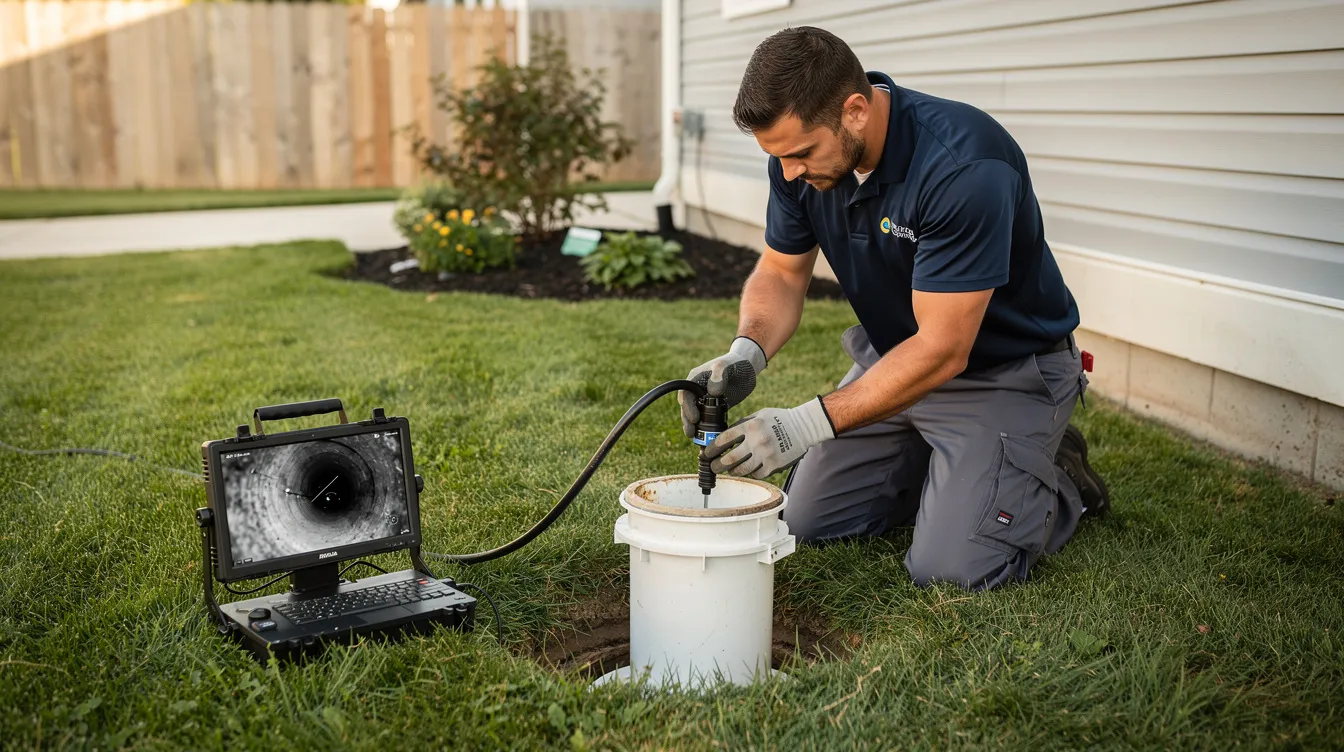
- Sewer camera inspection – A waterproof, high-definition camera is pushed through the pipe to visually identify defects, root intrusion, and blockages in real time.
- Smoke testing – Non-toxic smoke is forced into the sewer system. Wherever smoke escapes through soil, walls, or vent lines, there’s a leak or defect.
- Hydrostatic pressure testing – A section of pipe is sealed and filled with water. Technicians monitor the water level for drops that indicate a leak.
- Electronic sonde location and line tracing – A transmitter in the camera head sends a signal to the surface, allowing technicians to map the pipe route and mark exact defect locations above ground.
- Dye testing – Dye testing involves flushing fluorescent tracer dye into the system to trace leaks visually where water exits the pipe.
- Acoustic testing – Acoustic testing uses sensitive microphones to detect sounds of escaping liquids or gases, though performance varies by pipe material and conditions.
EPA guidance includes CCTV, smoke, dye, air, and acoustic testing among primary sewer inspection methods. Soil probing and dye testing confirm leaks without excavation, and non-destructive methods minimize property damage during the entire leak detection process.
In many Bellevue, Seattle, and Redmond homes, Ready Rooter can detect leaks and map the sewer line in a single visit before any digging or trenchless sewer repair is proposed. The benefit is straightforward: accurate diagnosis first, so any repair or replacement is cost-effective and precisely targeted.
Why Sewer Line Leaks Are So Hard to Spot
A sewer line leak can be hard to spot because much of the pipe is buried underground, well out of sight. Here’s why these hidden leaks evade detection for so long:
- Most main sewer lines in the Seattle and Puget Sound region run 3–8 feet below yards, driveways, or concrete slabs, making visual inspection from the surface impossible.
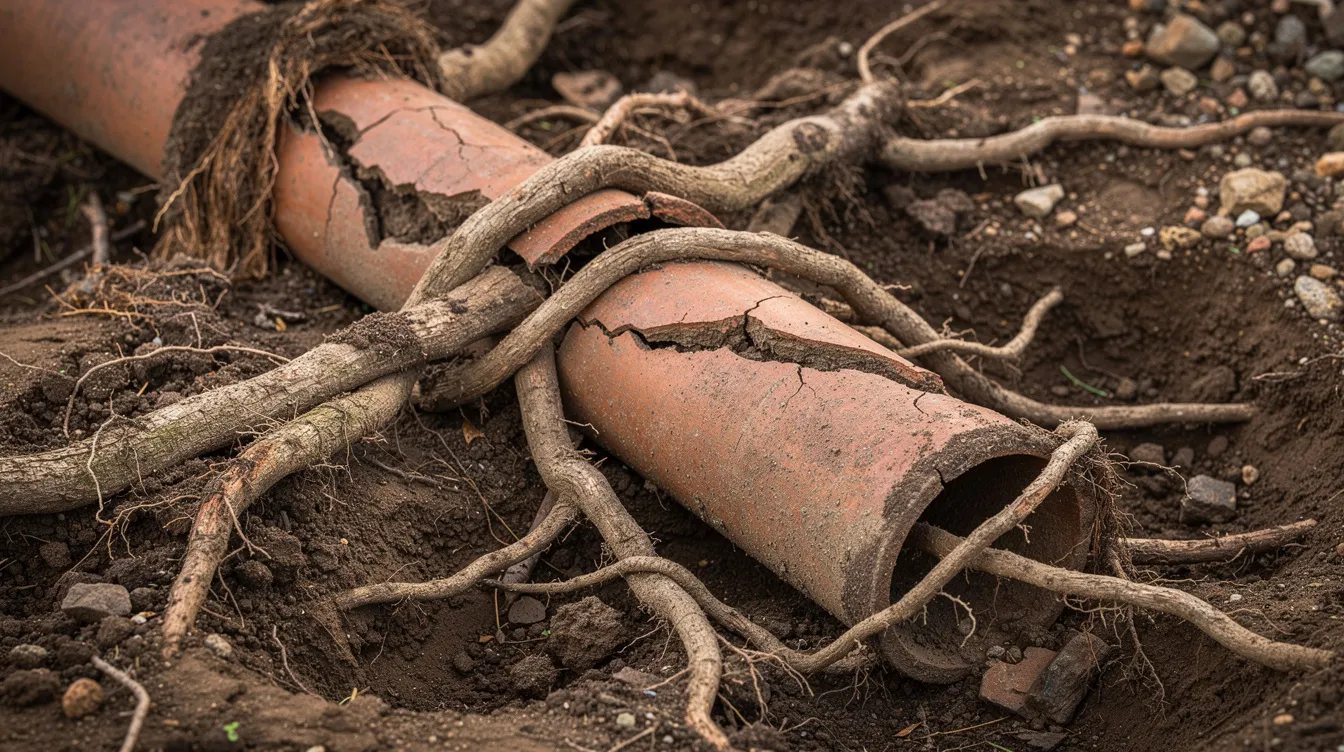
- Pipe materials vary by era. Older neighborhoods commonly have clay, cast iron, or Orangeburg (fiber-cement) pipe, while newer builds use PVC or ABS. Each material fails differently – clay cracks at joints, cast iron develops corrosion and pinholes, and Orangeburg deteriorates entirely over time.
- Heavy winter rains, seasonal freeze–thaw cycles, and saturated soil in western Washington cause ground movement that slowly pulls joints apart or creates “bellies” – sagging pipe sections where wastewater stagnates.
- Unlike a supply line leak that spikes your water bill, sewer leaks happen after water has been used. They don’t register on your meter, which is why detecting leaks in sewer lines requires specialized techniques due to their underground location rather than simple meter checks.
Sewer leaks can go unnoticed for months – sometimes years – before symptoms appear above ground.
Common Causes of Sewer Line Leaks in Greater Seattle
Seattle’s rainy climate makes early detection critical, but it also contributes directly to the conditions that cause sewer lines to fail. Here are the region-specific factors that lead to leaks:
- Root intrusion from large maples, poplars, willows, and other mature trees common across Bellevue, Redmond, and Seattle. Roots seek moisture at even the smallest joint gap or hairline crack, then force their way inside the pipe. Seattle Public Utilities treated nearly 28 miles of pipe with chemical root control in 2022 alone due to this widespread problem.
- Age-related corrosion inside cast iron sewer lines built before the late 1970s. Internal scaling gradually roughens the pipe surface, leading to pinholes, cracks, and debris accumulation that restrict flow.
- Shifting or poorly compacted backfill in sloped neighborhoods like West Seattle or the Renton hillsides. Ground movement stresses joints, creates offsets, and can snap older clay or concrete pipe.
- Construction damage and incorrect DIY tie-ins. Many older homes have had additions with improperly joined sewer connections, or have experienced damage from heavy vehicles driving over shallow lateral runs near driveways.
- Ground saturation and hydrostatic pressure from prolonged rainfall and high groundwater in the Puget Sound basin. External pressure accelerates joint separation and corrosion, especially in aging pipe materials already weakened by decades of service.
Warning Signs You May Have a Sewer Leak
Not every sewer problem announces itself with a dramatic backup. Many leaks start with subtle clues that are easy to dismiss. Common signs of a sewer line leak include persistent sewer odors and soggy patches in the lawn. Here’s what to watch for:
- Recurring sewer gas smells from floor drains, lower-level bathrooms, or near the foundation. Foul smells in the house can signal sewer gas leaks, especially if they come and go with weather changes or heavy water use.
- Gurgling sounds in plumbing fixtures suggest air trapped in the system from a blockage or break further down the line. Multiple slow drains on the same level of the house are another indicator. Slow drains can indicate issues deep in the main sewer line rather than local clogs.
- Unexplained wet patch areas, soggy spots, or small sinkholes in the yard. Wet patches in grass may indicate a sewer leak, particularly if they appear along the path of the sewer line.
- Strips of exceptionally green or unusually healthy vegetation directly above the sewer route. Unusually healthy vegetation can indicate leaking sewer water feeding nutrients to the soil.
- Intermittent rotten-egg (hydrogen sulfide) odors near foundation vents, crawlspace openings, or around cleanouts. This is a clear sewer gas indicator.
- Mold growth near sewer line paths can indicate unexplained dampness from leaks. Mold growth on walls – especially in basements or lower levels – suggests moisture from a sewer leak reaching building materials.
- New or widening foundation cracks, settling slabs, or separated patios near where the building sewer exits the home. Cracks in walls or foundation may result from sewer leaks eroding supporting soil over time.
- Pest infestations might be attracted to cracks in sewer lines seeking moisture. Rodents and insects exploit even small openings in damaged pipe.
- Sewage backing up into tubs, floor drains, or lower-level fixtures during heavy use or rain events. This is an emergency red flag suggesting a broken or obstructed main sewer line. Undetected leaks can lead to sinkholes and foundation damage when left unchecked.
Suspected sewer leaks should prompt investigation immediately if sewage backs up or strong odors persist.
How Ready Rooter Diagnoses Sewer Line Problems Before Digging
Ready Rooter Washington’s approach is built around a simple principle: identify the problem before committing to a repair method. No excavation or trenchless repair is recommended until technicians can point to specific defects on video or testing data.
- Customer intake. The technician discusses symptoms – odors, wet spots, backups – and reviews the property layout, age, pipe material history, and known sewer system issues. This initial conversation helps determine which detection methods to prioritize.
- Preliminary cleaning. If blockages or root intrusion are suspected, the team typically starts with professional drain cleaning and clearing or hydro-jetting to clear debris and give the camera a clear path.
- Camera inspection. Ready Rooter’s video camera inspection equipment records the interior of the sewer line and shows exact footage distances to defects, enabling precise location mapping.
- Electronic line tracing. A sonde transmitter marks the pipe route and defect locations from the surface, so repair crews know exactly where to work.
- Advanced tests when needed. If visual inspection isn’t enough to detect leaks – for example, under concrete slabs or in complex branch lines – the team may perform hydrostatic testing or smoke testing to isolate the problem area.
- On-site report. Technicians review findings with the customer, present repair options, and provide estimates – often the same day.
Sewer Camera Inspection: The First Line of Leak Detection
Camera inspection is usually step one in most sewer line inspections, and for good reason. Camera inspections allow real-time viewing of sewer pipes, giving both the technician and the homeowner a clear picture of what’s happening underground.
- A waterproof, high-definition camera is inserted through an existing cleanout or a pulled toilet and pushed through the sewer line toward the municipal main. The process is entirely non-destructive.
- Camera inspections identify cracks and blockages in sewer lines, along with separated joints, pipe bellies, collapsed sections, and debris buildups. Sewer cameras can locate root intrusions and joint separations that would otherwise require exploratory digging to find.
- On-screen footage counters record the exact distance to each defect, enabling accurate surface marking for later repair. This precision eliminates guesswork about the location of the problem.
- For many Bellevue and Seattle homes, one camera inspection can both detect leaks and confirm whether trenchless sewer repair (like CIPP lining or pipe bursting) is viable based on the pipe condition.
- Camera inspections visually identify defects in sewer lines of every common material – clay, cast iron, PVC, ABS, and concrete. Ready Rooter provides homeowners or property managers with a summary of findings and, when requested, video clips to document the sewer system condition for records or insurance purposes.
Smoke Testing: Finding Hidden Sewer Gas and Vent Leaks
Smoke testing uses non-toxic smoke to find leaks that cameras can’t reach. It’s particularly valuable when sewer gas odors are present but the source isn’t visible or accessible.
- Non-toxic, artificially generated smoke is blown into the sewer system under light pressure. Wherever smoke escapes through soil, walls, roof vents, or foundation openings, there’s a breach in the line or vent system.
- Smoke testing can reveal sources of unwanted inflow by showing where smoke escapes. It’s especially useful for detecting hidden leaks in crawlspaces, interior walls, roof vent lines, or yard sections that a camera can’t reach.
- The smoke is odorized but non-hazardous. It dissipates within minutes and is completely unrelated to fire or combustion. Some smoke may enter the building if there are defects, uncapped lines, or dry traps – which is precisely how leaks are discovered.
- Typical use cases include unexplained sewer odors in multi-story buildings, suspected cross-connections, or leak detection in older vent systems from the 1950s–1970s.
- Smoke testing lets technicians detect leaks without opening walls or digging exploratory trenches, keeping the process non-destructive and efficient.
Hydrostatic and Static Leak Isolation Testing
When camera inspection and smoke testing aren’t enough – particularly for under-slab or under-concrete lines – hydrostatic pressure testing provides a definitive answer.
- Hydrostatic testing works by blocking off a section of the sewer line with an inflatable test ball, filling it with water to a set level, and monitoring for water level drops over a defined period. Hydrostatic pressure testing checks for leaks by monitoring water levels – any measurable drop confirms a breach.
- A CCTV camera is typically used alongside hydrostatic testing to confirm proper ball placement, rule out air pockets, and prevent misreads that could lead to a wrong diagnosis.
- Static leak isolation testing repeats the process on progressively smaller sections of pipe to pinpoint exactly which segment is leaking. This is how technicians determine the precise location of a defect within a longer run.
- These methods are especially useful for slab-on-grade homes, apartment buildings, and commercial properties where sewer lines run under concrete and cannot be accessed with a camera alone.
- Only licensed sewer repair contractors should perform hydrostatic tests. Ready Rooter technicians are trained to interpret results accurately and avoid false positives from improper setup.
Electronic Sonde Location and Surface Marking
A sonde is a small radio transmitter built into the camera head or attached to the push rod. As the camera travels through the sewer line, the sonde emits a signal that technicians locate from the surface using a handheld receiver.
- This technology allows Ready Rooter to map the route of buried sewer lines and mark the exact above-ground location of breaks, bellies, or root intrusion with spray paint or flags.
- Accurate surface marking means excavators can dig a single, targeted trench instead of multiple “test” pits across the yard or driveway. It takes the guesswork out of the process.
- For homeowners, the benefits are direct: reduced landscape damage, lower restoration costs, and shorter sewer line repair times. For property managers, it means fewer disrupted parking spaces and walkways.
- Sonde locating is standard practice in most professional inspections and is typically included as part of a comprehensive camera inspection visit.
Root Intrusion: How Tree Roots Damage Sewer Lines
Root intrusion is the leading cause of sanitary sewer overflows in Seattle, according to SPU’s 2024 annual wastewater report, where roots were the primary cause in 7 of 26 documented overflows. Understanding how roots damage sewer lines is essential for any homeowner with mature trees on the property.
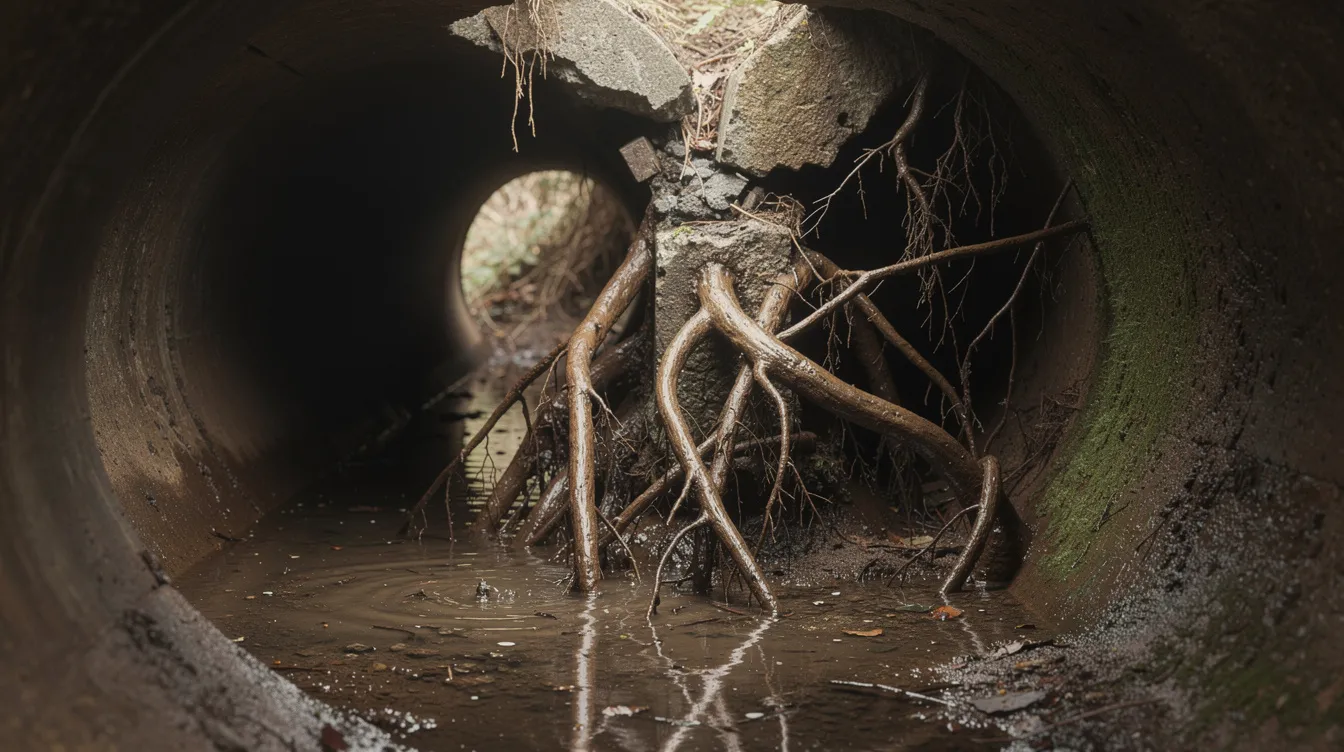
- Tiny moisture leaks at old joints or hairline cracks attract tree roots. Once roots find a way in, they force through clay, cast iron, or even PVC joints and expand rapidly inside the pipe.
- Roots grow inside sewer lines, trapping toilet paper, grease, and other debris, creating partial blockages that eventually turn into full backups. What starts as a minor slow drain can escalate into a complete system failure.
- Camera inspection clearly shows root intrusion patterns and helps distinguish between minor root fuzz (treatable with hydro-jetting) and severe joint failure or collapsed pipe sections that need replacement.
- Common scenarios in the Puget Sound area include long laterals running under tree-lined parking strips, shared side sewers between older Seattle homes, and roots from neighboring properties crossing property lines underground.
- Combining hydro-jetting to clear roots with follow-up camera inspection gives a clean, accurate view of the pipe condition before planning trenchless or traditional repairs as part of comprehensive drain and sewer services. This approach lets technicians identify whether the pipe is structurally sound enough for lining or whether full replacement is needed.
Trenchless vs. Traditional Repairs After Leak Detection
Once a sewer leak is located, the repair method depends on what the camera and test data reveal. Here’s how the two main approaches compare:
- Trenchless pipe lining (CIPP) – Structural pipe lining creates a new pipe within the old one using resin-saturated liner that cures in place. It preserves driveways, mature landscaping, and hardscapes. Typical cost in the Seattle area ranges from $6,000–$15,000 depending on line length and complexity.
- Pipe bursting – Pipe bursting replaces a damaged pipe by pulling a new one (often HDPE) through the old pipe while fracturing the old material outward. Best for lines too deteriorated for lining.
- Spray lining – Spray lining applies a flexible polymer resin inside the pipe for less severe defects, providing a protective coating rather than full structural replacement.
- Traditional excavation – Still recommended when sections are severely collapsed, undersized, or improperly sloped. Open-trench replacement in Seattle typically costs $12,000–$25,000 or more, including landscape and hardscape restoration.
- Ready Rooter technicians match the repair approach directly to camera and test results, avoiding “one-size-fits-all” solutions. Accurate leak detection upfront helps keep repair costs predictable and avoids surprises once the yard is open.
How Sewer Line Leak Detection Protects Foundations and Structures
A leaking sewer line isn’t just a plumbing problem – it’s a structural risk that compounds over time. Foundation cracks may result from severe leaks washing away soil beneath a home, and the damage only gets worse the longer a leak persists.
- Long-term sewer leaks can wash out soil under footings, cause differential settling, and contribute to slab movement. Even small, steady leaks erode support gradually.
- In hilly Seattle and Eastside neighborhoods, leaking sewer lines can contribute to small slides, settling decks, or leaning retaining walls where soil stability is already marginal.
- Early camera inspection and hydrostatic testing can detect subsurface leaks before they compromise structural elements. This is where the real money is saved – catching a leak before it becomes a foundation repair project.
- When major cracks or settlement are already visible, pairing leak detection with a structural engineer’s assessment is wise. The sewer issue may be the root cause of what appears to be a separate structural problem.
- Addressing sewer system leaks promptly is almost always far cheaper than later structural remediation, which can run into tens of thousands of dollars.
Preventing Future Sewer Line Leaks
Prevention is straightforward once you know what causes most failures. Annual inspections can help catch leaks before they escalate, and a few proactive habits go a long way:
- Schedule periodic sewer camera inspections for homes older than 30–40 years, especially before buying or selling property in Seattle, Bellevue, Kirkland, or Renton. A one-time inspection can reveal problems that would otherwise surface after closing.
- Avoid planting deep-rooted trees directly above known sewer line paths. Move new plantings several feet away from laterals to reduce the risk of root intrusion over the coming decades.
- Stop flushing wipes, hygiene products, or pouring excessive grease down drains. These materials accelerate buildup and stress weak spots in aging sewer lines.
- Regular hydro-jetting can keep older sewer systems clear of roots and scale, reducing the risk of blockages that exploit small cracks and gaps.
- Consider scheduling routine plumbing, drain, and sewer inspections with Ready Rooter Washington as part of an annual or biannual home maintenance plan. Catching a minor issue now prevents an emergency service call later.
Sewer Leak Detection for Commercial & Multi-Unit Properties
Apartments, condos, restaurants, and office buildings present different challenges than single-family homes. Their sewer systems are more complex, with multiple branches, cleanouts, and shared lateral connections.
- Ready Rooter can use camera inspection, smoke testing, and sectional hydrostatic testing to isolate leaks in commercial buildings without shutting down the entire system longer than necessary.
- Early leak detection prevents business interruptions, health code violations, and expensive emergency repairs in parking lots or shared courtyards. For restaurants, a sewer backup can mean closing doors – sometimes for days.
- Property managers in Bellevue, Redmond, Kent, and surrounding areas can schedule after-hours or early-morning appointments to minimize tenant impact and keep operations running.
- Ready Rooter provides documentation – video, written reports, and marked maps – that property owners can share with insurers, city inspectors, or HOA boards. This paper trail is valuable when coordinating with multiple stakeholders.
When to Call Ready Rooter Washington for Sewer Leak Detection
Not every slow drain means your sewer line is failing. But certain situations call for immediate professional inspection. Here’s when to pick up the phone:
- Call immediately: Sewage backing up into lower fixtures, persistent sewer gas odors that don’t resolve with trap refilling, or rapidly growing sinkholes or soggy spots in the yard.
- Don’t wait much longer: Recurring clogs on the same line, unexplained foundation cracks near the sewer exit point, or repeated need for snaking the same drain. These “gray area” symptoms often indicate a developing problem that will only get worse.
- Ready Rooter offers 24/7 emergency drain and sewer service across Greater Seattle, including Bellevue, Redmond, Renton, Kent, and nearby communities.
- If you’re wondering about or searching for “sewer line repair near me – emergency services,” prioritize a contractor that can both detect leaks and perform repairs under one roof. This reduces delays, miscommunication between separate companies, and keeps costs lower.
- Call or book online as soon as early signs appear. The sooner a leak is found, the more likely you are to qualify for trenchless and less invasive repair solutions that preserve your yard and your budget.
What to Expect During a Sewer Leak Detection Appointment
If you’ve never had a sewer inspection, it’s normal to be wondering what the process involves. Here’s the typical sequence so there are no surprises:
- Initial walkthrough. The technician asks about symptoms, checks fixtures like each toilet and floor drain, looks for cleanout access points, and reviews site access and parking for the service vehicle.
- Setup. Floors are protected where needed. The technician accesses a cleanout or removes a toilet to insert the camera. Testing equipment (smoke machine, test balls, pressure gauges) is staged if advanced diagnostics are supposed to be needed.
- Inspection. The camera runs through the sewer line while the technician watches a live monitor. If smoke testing or hydrostatic tests are warranted, those follow. Defect locations are marked on the ground with spray paint or small flags using the sonde receiver.
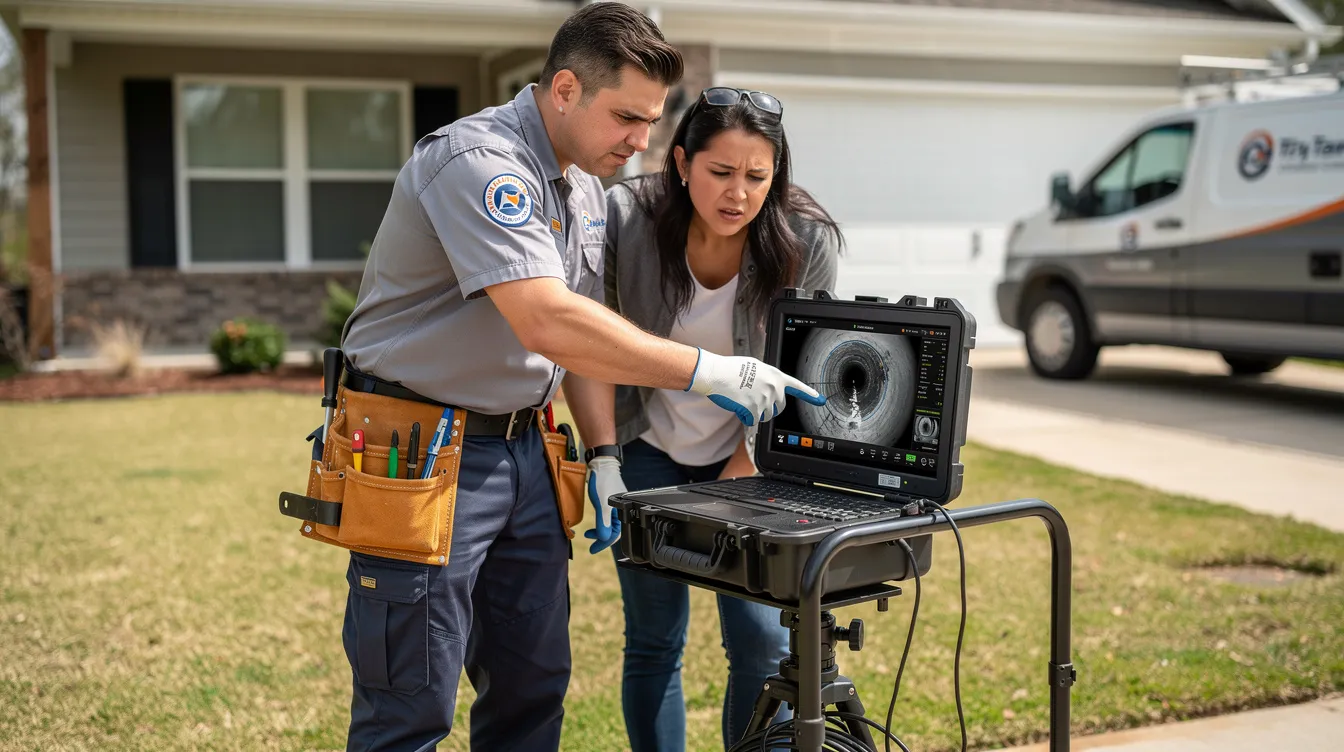
- On-site review. The technician reviews video footage and findings with the customer right there, answering questions about the sewer system and line condition. You’ll see exactly what the camera saw.
- Next steps. If problems are found, Ready Rooter typically provides repair options and estimates the same day, including trenchless possibilities where appropriate. If the line is clean and sound, the technician will say so – there’s no pressure to schedule work that isn’t needed.
Costs, Timelines, and Insurance Considerations
Cost and timeline are usually the first questions customers ask. While every property is different, here’s what typically drives the numbers:
- The cost of leak detection depends on property size, sewer line length, access complexity, and whether hydrostatic or smoke tests are needed in addition to camera inspection. A basic residential camera inspection in the Seattle area typically runs around $200–$500.
- Most residential sewer camera inspections are completed within about 60–90 minutes. More complex commercial diagnostics can take half a day or longer, depending on how many branches need to be checked.
- Documenting sewer leaks with video and test results can help during insurance claims, though coverage for sewer system failures varies widely by policy. Many standard homeowner policies exclude gradual deterioration from roots or corrosion.
- If you live in an older neighborhood or an area with known root intrusion issues, check with your insurer about endorsements for sewer and drain backup coverage. Adding this rider is often inexpensive relative to the potential repair bill.
- Thorough leak detection saves money by preventing unnecessary excavation, misdiagnosed repairs, or recurring emergency service calls. Spending a few hundred dollars on inspection beats spending thousands on the wrong repair.
FAQ: Sewer Line Leak Detection
Can I detect a sewer leak myself without professional equipment?
You can sometimes notice indirect signs like sewer gas odors, soggy spots in the yard, or slow drains. These observations are useful starting points. However, you cannot reliably locate the exact leak point without specialized tools like sewer cameras, smoke machines, or pressure-testing gear. DIY attempts to dig up the yard or open walls based on guesswork often lead to unnecessary property damage and may still miss the actual problem area entirely. A professional sewer camera inspection before any excavation is the most reliable way to identify what’s wrong and where, especially in dense neighborhoods with shared or complex sewer systems. Ready Rooter Washington can perform this inspection quickly and non-destructively.
How often should I have my sewer line inspected if I haven’t had problems yet?
Homes older than about 30–40 years, especially those with original clay or cast iron sewer lines, should consider a preventive camera inspection every 5–7 years. Properties with large trees growing over the sewer route or any history of backups benefit from more frequent checks – roughly every 2–3 years. A one-time inspection when purchasing a home in Seattle or the Eastside can reveal hidden sewer issues before closing, potentially saving thousands in unexpected post-purchase repairs. Even if nothing is wrong, having a baseline video record of your sewer system makes future comparisons much easier for any plumber who services your home.
Will the city fix my leaking sewer line, or am I responsible?
In most Puget Sound jurisdictions, the homeowner or property owner is responsible for the side sewer – the pipe running from the building to the connection point at the public main in the street. The city or water district is usually responsible only for the municipal main itself, not private laterals that cross sidewalks or planting strips. If you’re uncertain about where your responsibility ends, contact your local utility or check your city’s side sewer code. But in practice, detecting and repairing the private sewer line almost always falls on the property owner, which is why scheduling regular inspections is a smart investment.
Is smoke from smoke testing going to get into my house or set off alarms?
Some smoke may enter the building during testing if there are defects, uncapped lines, or dry traps – and that’s actually the point. Finding where smoke appears inside the house is how technicians locate hidden leaks and vent problems. The smoke used in testing is completely non-toxic and dissipates quickly once the test is complete. Homeowners may want to temporarily ventilate the space and notify occupants or neighbors before testing begins. Sensitive smoke detectors in the test area may briefly trigger, and they can be monitored or temporarily covered during the procedure if it’s safe and appropriate to do so.
What if my sewer line leak is under concrete or a finished basement?
Camera inspection, hydrostatic testing, and electronic or acoustic locating methods can confirm leaks and approximate locations even under slabs or finished basement spaces. Acoustic testing can locate leaks without exposing the pipe, though performance varies depending on conditions. In many cases, trenchless solutions or small, targeted openings can address the problem without breaking up large areas of concrete or demolishing finished spaces. If you notice warm spots on the floor, persistent odors, unusual cracking in your slab, or mold where there shouldn’t be moisture, contact Ready Rooter Washington promptly. The earlier an under-slab sewer leak is found, the more repair options remain on the table – and the less concrete you’ll need to disturb.
Share this post:


