


Fast Sewer Line Repair in Seattle – Call Ready Rooter First
Ready Rooter provides same-day sewer line repair and replacements throughout Seattle, WA and nearby King County communities. We’re available 24/7 for emergencies, from backed-up basements to sewage odors that won’t go away.
This guide is for Seattle homeowners who want to understand, prevent, and address sewer line problems before they become costly emergencies.
The sewer line plays a crucial role in safely directing wastewater away from your home and maintaining the overall health of your plumbing system.
Our service areas include Seattle, Shoreline, Lake City, Ballard, Capitol Hill, West Seattle, Burien, Tukwila, Renton, Bellevue, and surrounding neighborhoods. Whether you’re in a 1920s Craftsman on Capitol Hill or a mid-century rambler in West Seattle, we’ve seen the sewer challenges your home may face.
As a local Seattle-based plumbing company, Ready Rooter understands the city’s older homes, steep hillside lots, side sewer configurations, and permit requirements. We know which neighborhoods have clay pipes from the 1940s and which areas struggle with root intrusion from mature street trees.
Call Ready Rooter now for 24/7 emergency sewer service in Seattle.
If you’re dealing with a backup, leaking sewage in your basement, or persistent sewer odors, don’t wait. Our team responds quickly to diagnose the problem and get your plumbing system flowing again.
How Your Seattle Sewer Line Works
Your home’s sewer line—often called a side sewer in Seattle—is the pipe that carries wastewater from your house to the City of Seattle main sewer line located in the street or alley. This main line connects to the municipal sewer system, which transports waste to treatment facilities.
The pipe material in your Seattle home typically depends on when it was built. Many homes still rely on original side sewers installed between 1920 and 1970, which are now at or beyond their expected lifespan. Understanding your pipe material helps predict potential sewer line issues down the road.
Responsibility for your sewer line usually extends from the house to the connection at the city main or to the property line, depending on local code and your property survey. The city maintains the public sewer under the street, but everything on private property—including under sidewalks and planting strips in some cases—falls to the property owner.
Common pipe materials in Seattle homes:
- Pre-1950 homes: Clay tile or cast iron pipes (lifespan 50-75 years)
- 1950-1970 homes: Concrete or Orangeburg (compressed fiber) pipes (lifespan 30-50 years)
- Post-1970 homes: PVC or ABS plastic pipes (lifespan 50-100+ years)
Common Causes of Sewer Line Damage in Seattle
Seattle’s wet climate, mature trees, and hillside terrain create unique sewer line problems that homeowners in other regions rarely face. Here are the most common causes of a damaged sewer line in our area:
- Tree root intrusion – Roots from maples, alders, and older street trees actively seek moisture through joints and cracks in clay and concrete pipes. Root intrusion accounts for roughly 60% of sewer line failures in established neighborhoods.
- Ground movement and settling – Seattle’s glacial till soils and landslide-prone slopes can shift pipes out of alignment, creating offsets or breaks. Settling around older foundations causes similar problems, especially in hillside homes.
- Pipe corrosion and deterioration – Cast iron pipes rust from the inside out. Concrete pipes erode. Orangeburg pipes installed between the 1930s and 1970s often collapse entirely. Age catches up with every existing sewer line eventually.
- Grease buildup and internal clogs – Kitchens contribute fats, oils, and grease that coat pipe walls. Combined with food waste, toilet paper, wipes, and feminine products, these materials create stubborn clogs in the main line.
- “Flushable” wipes and paper towels – Despite marketing claims, these products don’t break down like toilet paper. They snag on roots and rough pipe surfaces, accelerating blockages.
- Construction and vehicle damage – Remodeled basements, new driveways, and heavy vehicle loads over shallow side sewers can crack or crush pipes. Even routine landscaping projects sometimes damage sewer lines.
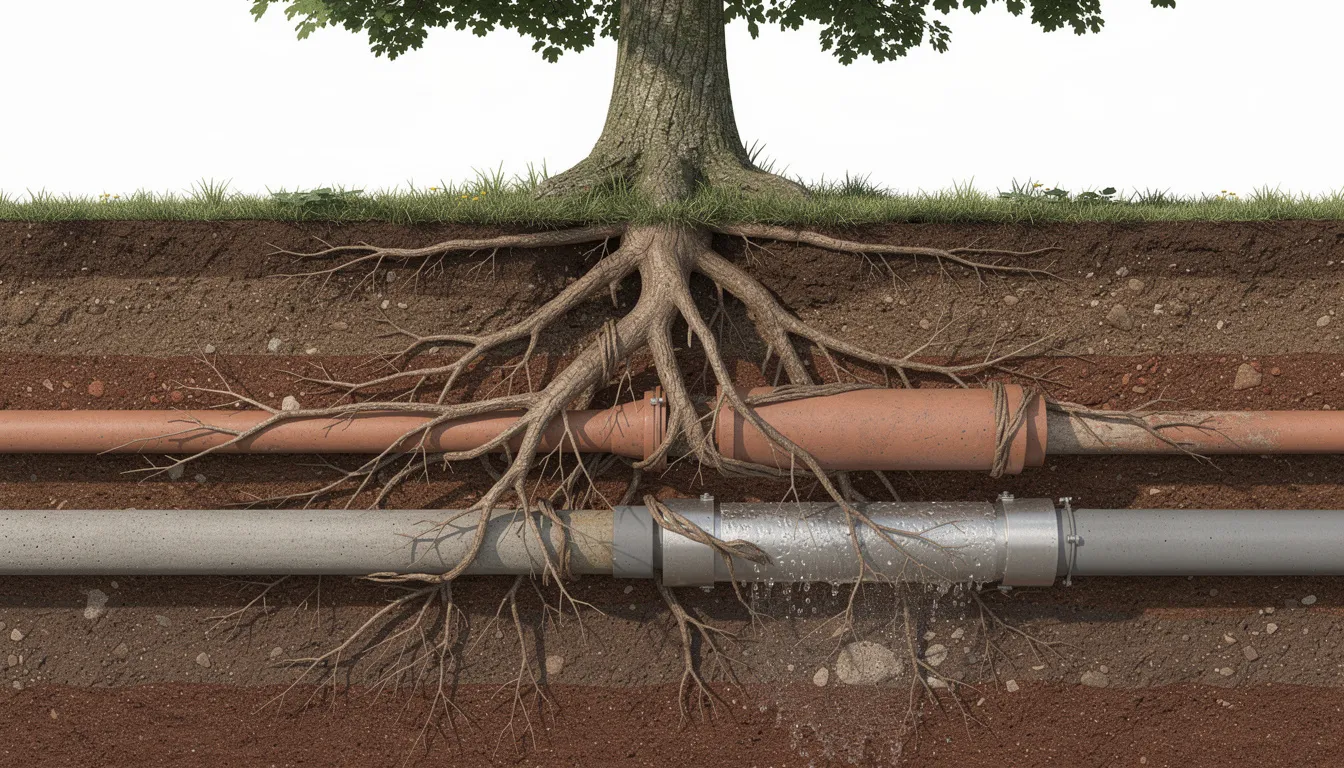
Warning Signs You Need Sewer Line Repair
Catching sewer problems early can prevent sewage backups, property damage, and costly repair bills. Pay attention to these common signs that your main sewer line needs professional attention:
- Multiple slow drains throughout the house – When tubs, showers, and floor drains all run slowly (not just one isolated sink), the problem likely sits in the main line rather than individual drain lines.
- Gurgling toilets and bubbling drains – Air trapped in a partially blocked sewer escapes through fixtures, creating “glug-glug” sounds when you flush toilets or run water elsewhere.
- Foul odors in basements, crawl spaces, or yards – Sewage smells near cleanouts, in the crawl space, or along the side yard signal a cracked or broken sewer pipe allowing gases to escape.
- Recurring sewer backups – If backups happen repeatedly, especially during heavy Seattle rains when the system handles extra water flow, the line has an obstruction or structural problem that cleaning alone won’t fix.
- Wet patches, soggy soil, or unusually green grass – A leak underground often shows up as saturated soil or a suspiciously healthy grass strip directly over the sewer route to the street.
- Sinkholes or depressions in your yard – Collapsed pipes cause the surrounding soil to wash away, creating visible dips or soft spots.
If you notice any of these warning signs, call Ready Rooter right away. We typically provide same-day diagnostics throughout Seattle so you can understand the root cause before it becomes an emergency.
Our Sewer Line Inspection & Diagnosis Process
Ready Rooter uses modern diagnostic tools to pinpoint problems before any digging begins. This approach controls cost and protects your landscaping from unnecessary excavation.
Here’s what our sewer line inspection process includes:
- High-resolution video camera inspection – We insert a specialized digital camera through existing cleanouts or access points to examine the entire line. Our technicians look for tree roots, cracks, offsets, bellied sections (sags that trap debris), and full collapses.
- Electronic line locating and mapping – Using electronic locators, we trace the pipe path from your house to the main sewer. This step is especially helpful for Seattle homes without original side sewer records, which is common in older neighborhoods.
- Leak and odor detection – When pipes are cracked but not fully blocked, we locate problem areas in basements, crawl spaces, and yards before they cause bigger issues.
After inspection, we provide a clear written report explaining what we found and your repair options. If repair is not feasible, the report will outline all available replacement options, including partial or full sewer line replacement.
This diagnostic-first approach means you get accurate information before making decisions. No guesswork, no surprises mid-project.
Sewer Cleaning & Preventive Maintenance
Not every sewer issue requires replacement. Many Seattle side sewers can be restored to full function with thorough cleaning and regular maintenance.
- Mechanical cleaning with professional augers – Rotating cutting heads remove tree roots and solid obstructions from the main line. This method handles most blockages effectively.
- Hydro jetting** for heavy buildup** – High-pressure water (up to 4,000 PSI) scours grease, sludge, and layered debris from pipe walls. Hydro jetting works especially well for restaurants, multifamily buildings, and older homes with long sewer runs.
- Preventive cleaning schedules – Homes with heavy root intrusion or pipes installed between the 1940s and 1960s benefit from cleaning every 12-24 months. Regular maintenance prevents emergency backups.
- Proper disposal habits – Never flush wipes, paper towels, or feminine products. Avoid pouring fats, oils, and grease down kitchen drains—these coat pipe walls and trap debris.
- Scheduled maintenance visits – Ready Rooter can set up recurring appointments to prevent backups before holidays, winter storms, or other high-usage periods.
Preventive maintenance costs a fraction of emergency repair. A clean pipe flows better, lasts longer, and gives you peace of mind.
Emergency Sewer Line Services in Seattle
Sewer line troubles in Seattle aren’t just an inconvenience—we get it, they’re a genuine crisis that can turn your day (or night) upside down. When sewage starts backing up or you spot those telltale signs of a broken pipe, the stress hits immediately because you know your home and family’s health are at risk. That’s exactly why we’re here 24/7 with our emergency sewer repair services—because plumbing disasters don’t wait for business hours, and neither do we.
Our experienced team has seen it all over the years, from those stubborn blockages that seem to appear out of nowhere to major pipe breaks that leave homeowners feeling overwhelmed. We know Seattle’s unique challenges—the shifting soil, the aging infrastructure, the tree roots that love to find their way into sewer lines. Using straightforward diagnostic methods (think of them as detective tools for your pipes), we quickly figure out what’s really going on down there, whether it’s a collapsed section, aggressive root intrusion, or just a really stubborn clog. Depending on what we find, we might use high-pressure water cleaning to blast away blockages, trenchless repair methods to fix pipes without tearing up your yard, or traditional digging when that’s the most honest solution for the job.
Here’s the thing about getting your sewer line fixed quickly—it’s not just about stopping the immediate problem, it’s about protecting your family’s home and preventing those wallet-draining repairs that happen when small issues become big ones. We design our emergency response to get your household running smoothly again with as little disruption as possible, because we understand that your home is where life happens. Whether you’re dealing with backups, those awful smells, or visible leaks, you can count on our licensed team to provide honest, effective solutions any time of day or night—that’s our promise to our Seattle neighbors.
Trenchless vs. Traditional Sewer Line Repair
Sewer line repairs are categorized into trenchless and traditional excavation methods.
In Seattle, both trenchless and traditional (open trench) sewer repairs are common. Ready Rooter offers both methods and recommends the best approach based on your pipe’s condition and site constraints.
- Traditional open-trench repair – This repair method involves excavating a trench to access the damaged pipe, then replacing it with new sewer lines (typically PVC or HDPE), followed by backfilling and restoring landscaping or hardscape. Traditional sewer line repair is time consuming, disruptive to landscaping, and can be costly.
- When traditional methods work best – Severely collapsed pipes, very shallow lines, or sections requiring re-grading to fix low spots (bellies) often need traditional excavation for proper repair. In some cases, a full sewer main replacement may be necessary.
- Trenchless methods (pipe bursting and pipe lining) – These lower-impact options typically require only a couple of small access pits at each end of the repair section, leaving most of your yard undisturbed. Trenchless sewer line replacement is often preferred because it is less invasive and can be completed in one day.
- Benefits of trenchless pipe repair in Seattle – Trenchless methods are generally less invasive, faster, and often 30-40% cheaper, including landscape restoration costs, compared to traditional excavation. Less damage to driveways, sidewalks, and mature landscaping. Shorter project timelines. Trenchless sewer line repair methods are often preferred for their efficiency and reduced impact on the surrounding area. Reduced restoration costs after the repair.
- Factors that influence the recommendation – Soil type, existing pipe material, line depth, access constraints, and city permit requirements all affect which method makes sense for your situation.
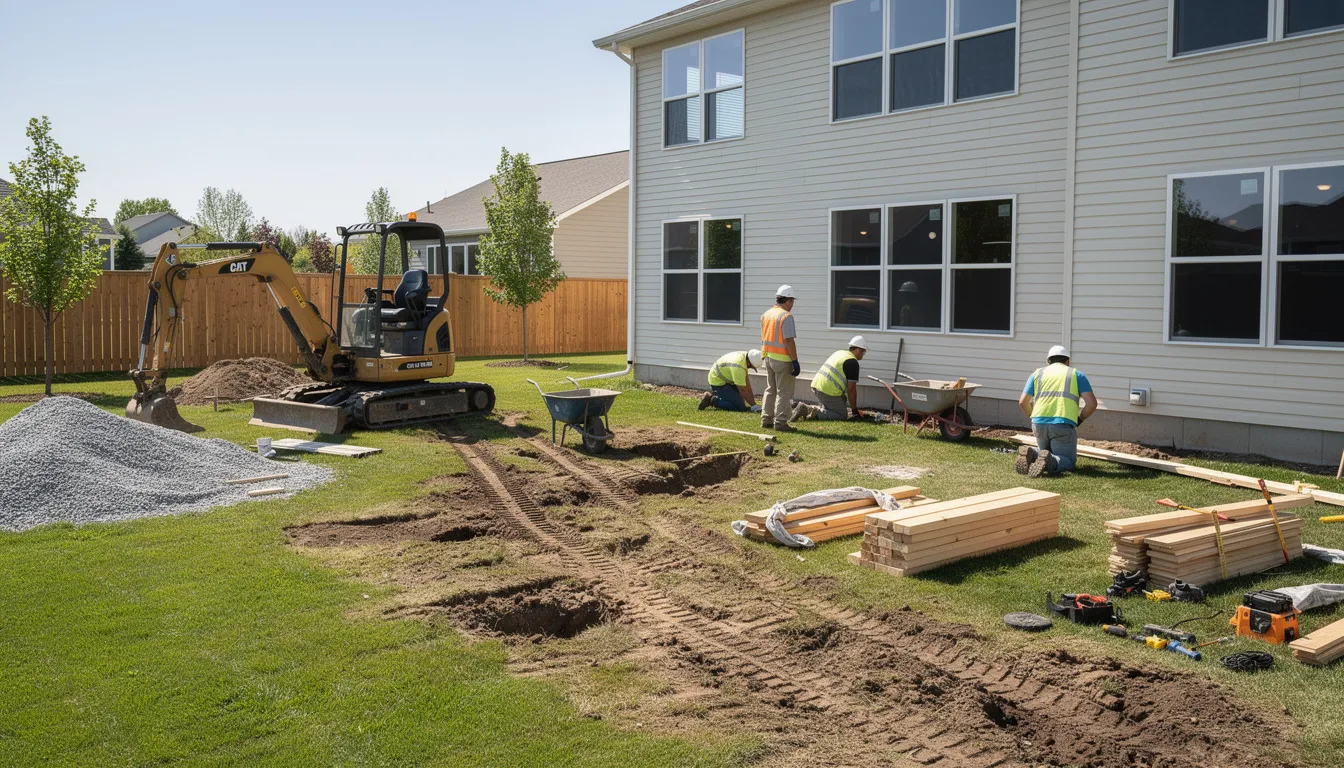
Trenchless Pipe Bursting
Pipe bursting is a common solution in Seattle for replacing long, failing clay or Orangeburg side sewers that run from the house to the city main.
- How it works – A cone-shaped bursting head is inserted through the old pipe, fracturing it outward into the surrounding soil while simultaneously pulling a new HDPE or PVC pipe behind it. The hydraulic force can exceed 50 tons, handling even stubborn old pipes.
- Typical advantages – Most residential jobs complete in about a day. Surface disruption is minimal. The new pipe is continuous and joint-free, which helps resist corrosion and future root intrusion.
- Best applications – Pipe bursting works well when the existing line has frequent root problems or multiple breaks but remains passable enough to pull the bursting head through. It achieves success rates over 95% in straight runs up to 400 feet.
Trenchless Pipe Lining (CIPP)
Cured-in-place pipe (CIPP) lining installs a new pipe within the old one, eliminating the need for major digging and preserving your yard.
- The process – A flexible liner saturated with epoxy resin is inserted into the cleaned pipe, expanded against the pipe walls, and cured using steam, hot water, or UV light. The result is a smooth, seamless new pipe inside the existing structure.
- Benefits – Lining seals cracks, small gaps, and moderate root intrusion points. It can extend pipe life by 50 years or more and works especially well under driveways or near mature trees where excavation would be destructive.
- Limitations – CIPP isn’t suitable for fully collapsed sections, extreme bellies, or pipes that have lost too much structural integrity. Those areas may need spot repairs or partial excavation first. Pipes must retain at least 40-60% of their original structure for lining to succeed.
Choosing the Right Sewer Line Repair Method
Choosing the right repair method for your sewer line—we get it, this isn’t exactly how you planned to spend your time or money. But here’s the thing: selecting the best approach really comes down to a few key factors that we’ve seen time and again in our years serving Seattle families. The extent of the damage, what type of pipe material you’re dealing with, and how accessible that problem area is all play into the decision. Now, trenchless sewer repair? That’s often our go-to recommendation for Seattle homeowners because, honestly, who wants their beautiful yard torn up? This method keeps your landscaping intact and typically gets your family back to normal much faster than traditional dig-and-replace methods.
But let’s be straight with you—trenchless isn’t always the magic solution, even though we’d love it to be. Sometimes we encounter situations where the pipe has completely given up the ghost, or we’re dealing with those older pipe materials that just won’t cooperate with modern repair techniques. And then there are those spots that are just plain hard to reach. When we run into these scenarios, traditional excavation becomes our best bet to give you a repair that’ll actually last. That’s where our experience really matters—we’ll take a thorough look at your specific situation, considering everything from your existing sewer line’s condition to those pesky tree roots that love to cause trouble, plus how your property is laid out.
When you’re weighing your options, think beyond just fixing today’s headache. Installing new pipe that can stand up to corrosion and keep those roots at bay? That’s the kind of investment that saves you from those middle-of-the-night emergency calls down the road. We’ll walk you through the real pros and cons of each method—no confusing jargon, just straight talk about what makes sense for your specific needs, your budget, and what your property can handle. Because at the end of the day, you deserve a solution that works for your family, not just a quick fix.
Main Sewer Line Installation Services
Sewer line troubles aren’t fun—we get it. Whether you’re building a new home or dealing with an aging sewer line that needs replacing, you need professional main sewer line installation you can count on. A trusted, licensed plumbing contractor will make sure your new pipe meets all those municipal requirements and connects properly to the public sewer system—because the last thing you need is more plumbing headaches down the road.
Here’s what you can expect from the installation process: careful excavation (we know nobody wants their yard torn up more than necessary), precise placement of that new pipe using quality materials like cast iron or PVC, and solid connections from your home to the city’s main line. Choosing the right plumbing company makes all the difference—we’re talking about folks who use materials that actually resist grease buildup and those stubborn clogs, plus they’ll give you straight talk about keeping your system running smoothly for years to come.
And here’s the thing about taking care of your investment: regular sewer line inspections and cleaning aren’t just nice-to-haves—they’re your best defense against future problems. When you invest in professional installation and stay on top of maintenance, you’re avoiding those nightmare scenarios like grease buildup, root intrusion, and costly emergency repairs. Your family deserves a plumbing system that just works, day in and day out.
Permits, Codes, and Responsibilities in Seattle
Sewer work in Seattle and nearby cities must follow local plumbing code and typically requires permits and inspections. Here’s what homeowners should know:
- Homeowner responsibility – You’re generally responsible for the side sewer from your house to the property line or to the connection with the public main, depending on your specific jurisdiction and property survey.
- City responsibility – The city maintains the public sewer under the street. However, the portion running under sidewalks or planting strips often remains the owner’s responsibility in Seattle.
- Permit requirements – Most sewer repairs and full sewer replacement projects need plumbing permits. Work in public right-of-way may require additional street or right-of-way permits from the city.
- Ready Rooter handles coordination – We manage permit applications, schedule inspections with city officials, and ensure work passes final inspection before backfill. This removes a major headache from your plate.
- Finding your side sewer records – Check your property survey or contact Seattle Public Utilities for existing side sewer maps. Our team can help interpret these documents and locate your line if records are incomplete.
Working with a licensed plumbing contractor ensures your repair meets code requirements and won’t create problems during future home sales or refinancing.
Typical Sewer Line Repair Timeline & Disruption
Most residential sewer repairs in the Seattle area complete in 1-3 days once permits are approved. Here’s what to expect:
- Project phases – The typical sequence includes inspection and diagnosis, permit application (if required), utility locate scheduling, performing the repair, city inspection, and final restoration.
- Active work duration – Actual digging or trenchless work often occurs over 1-2 days. Complex projects, deep lines, or challenging access can extend timelines.
- Service interruptions – Water or sewer service may need brief shutoff during critical phases. We coordinate timing with you to minimize disruption to daily routines.
- Homeowner preparation – Move vehicles from driveways and work areas. Secure pets indoors. Clear access to cleanouts and side yards before crews arrive.
- Site restoration – Ready Rooter prioritizes clean job sites and restores yards, walkways, and driveways as close as practical to their original condition. Trenchless methods typically require far less restoration than traditional excavation.
Expect some noise and activity during the repair day, but most homeowners find the process less disruptive than anticipated—especially with trenchless repair options.
Sewer Line Repair Costs – What to Expect
Exact costs depend on several factors, including depth, length, access, and whether traditional or trenchless methods are used. Seattle’s terrain and hardscape features can also influence pricing.
- Main cost drivers – Pipe length from house to main sewer, depth of the line, soil conditions (Seattle’s clay-heavy soil can complicate digging), presence of concrete or asphalt, and need for traffic control in right-of-way areas.
- Inspection fees – Camera inspection costs are typically much lower than repair costs and often get credited toward the job when you approve work with Ready Rooter.
- Trenchless vs. traditional costs – Trenchless methods can have higher per linear foot costs upfront but often save significantly on restoring landscaping, driveways, and sidewalks. Traditional excavation may cost 2-3 times more when restoration is factored in.
- Getting an accurate estimate – After inspection, we provide a written estimate outlining your repair options. Where possible, we present spot repair vs. full replacement choices so you understand the tradeoffs.
- Warranties matter – Ask about warranties on both materials and workmanship. Ready Rooter offers clear warranty terms on completed sewer line work, giving you confidence in the repair’s longevity.
A costly repair becomes even more expensive when done incorrectly the first time. Investing in quality work from experienced professionals protects your property and prevents repeat problems.
DIY vs. Professional Sewer Line Repair
While minor drain clogs can sometimes be cleared with a plunger or hand snake, main sewer line repair is not a realistic or safe DIY project for homeowners.
- Excavation risks – Digging in your yard without professional knowledge risks hitting gas, water, or electrical lines. Undermining foundations can cause structural damage. Violating city codes can trigger fines and require complete re-work.
- Specialized equipment requirements – Professional crews use video cameras, hydro jetting equipment, pipe bursting tools, shoring systems, and proper safety gear. This equipment costs tens of thousands of dollars and requires training to operate safely.
- Code compliance – A professional plumber ensures proper pipe slope, bedding material, connections, and compliance with Seattle plumbing codes. These details protect health, prevent future failures, and maintain property value.
- Cost of mistakes – DIY errors in sewer repairs lead to ongoing backups, leaks into the surrounding soil, and expensive re-work. The cost of fixing mistakes typically far exceeds what professional service would have cost initially.
- The smart choice – Use Ready Rooter for inspection and repair. Our local expertise with Seattle’s aging sewer infrastructure means we’ve handled problems like yours many times before. We know what works in these soils, with these pipe materials, and under local permit requirements.
Sewer line work affects your family’s health and your home’s value. This is one project where professional expertise pays for itself.
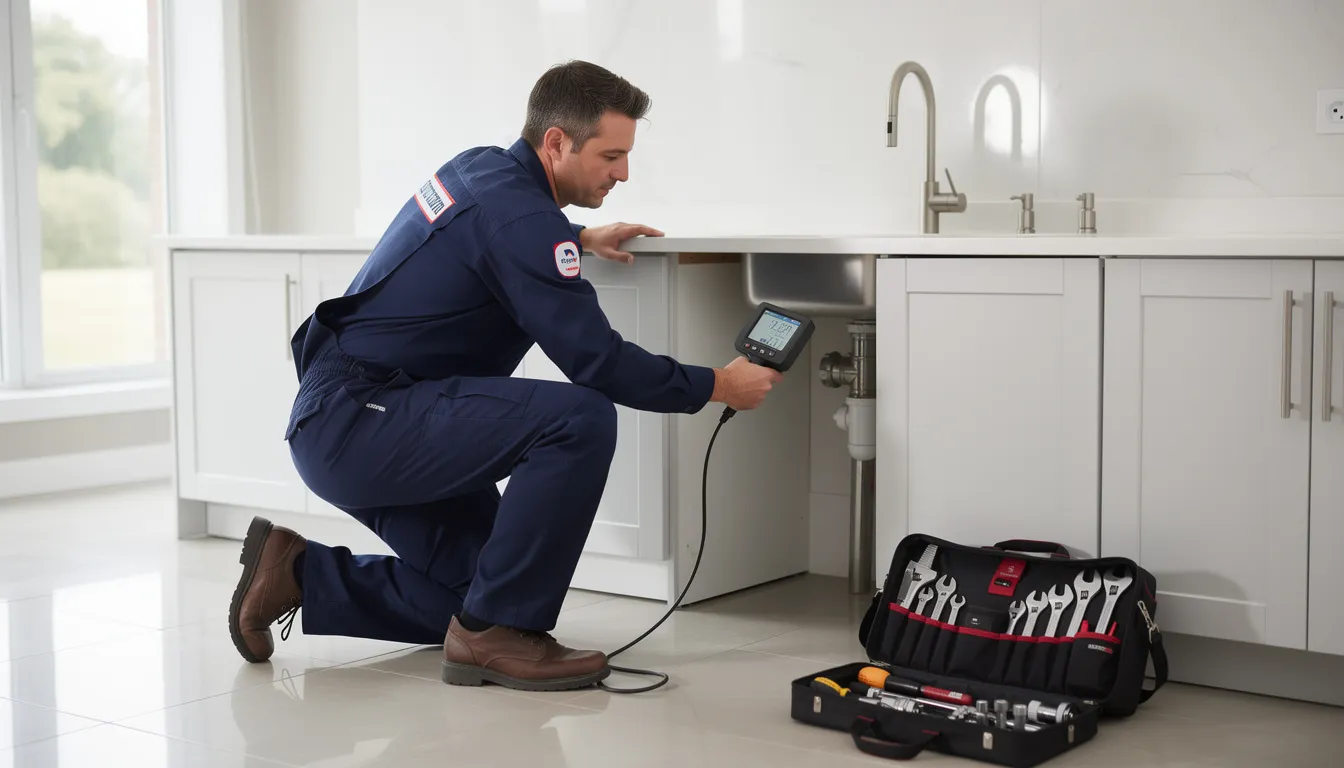
The Value of Hiring Professional Plumbers
Sewer troubles aren’t fun—we get it. When you’re dealing with sewer line issues, the stress is real, and the last thing you need is to make the wrong call on repairs. That’s why bringing in a professional plumber is honestly one of the smartest moves you can make as a homeowner. Licensed plumbing contractors bring years of hands-on training and the right tools to tackle whatever’s going wrong down there, whether it’s a busted pipe or you need the whole sewer line replaced.
Here’s the thing—a good plumbing company doesn’t just fix what’s broken and walk away. They’ll help you understand what went wrong and how to keep it from happening again. We’re talking practical advice in plain English, like sticking to toilet paper only and keeping harmful stuff out of your drains to keep everything flowing smoothly. Plus, they handle all the headache stuff—permits, local codes, all that paperwork—so you don’t have to stress about whether you’re doing things by the book.
When you trust your sewer line to a reputable plumbing company, you’re protecting what matters most—your home’s value and your family’s peace of mind. Professional plumbers stand behind their work with real warranties, giving you the kind of confidence that weekend DIY projects just can’t deliver. It’s about having that trusted expert in your corner when things go sideways.
Preventing Future Sewer Line Problems
Good habits and periodic maintenance greatly extend the life of any sewer line. Here’s how to protect your investment:
- Watch what you flush – Never flush wipes (even “flushable” ones), paper towels, cotton products, dental floss, or feminine hygiene items. These materials cause stubborn clogs and accelerate debris buildup.
- Keep grease out of drains – Pour cooking fats, oils, and grease into containers for disposal with trash. Even small amounts coat pipe walls and trap other debris over time.
- Use drain strainers – Install strainers in tubs and showers to catch hair and soap residue before they enter the main line.
- Schedule periodic camera inspections – Older Seattle homes (pre-1970) and properties with big trees near the sewer route benefit from inspection every few years to catch problems early.
- Maintain a cleaning schedule – In areas with heavy root intrusion or prior backup history, preventive cleaning every 1-2 years keeps the line clear and reduces emergency calls.
- Know your cleanout locations – Note where cleanouts are located on your property and keep them accessible. Don’t bury them under soil, landscaping, or deck structures.
Prevention costs far less than emergency repair. A little attention now saves significant headaches later.
Frequently Asked Questions About Sewer Line Repair
How often should Seattle homeowners clean their sewer line? For homes in high-risk areas—such as those with older pipes, mature trees nearby, or a history of backups—annual to biannual cleaning is recommended. Regular sewer line cleaning can prevent backups and prolong the lifespan of the sewer system. A camera inspection can help determine the right schedule for your specific situation.
Is a video camera inspection really necessary? Yes, especially if you experience repeated backups, are purchasing a home, or before authorizing major repairs. Video camera inspections help identify clogs, leaks, cracks, and the root cause of problems, preventing unnecessary work and costly repairs later.
Who is responsible for the sewer line—me or the city? Homeowners are generally responsible for sewer lines located within their property boundaries—from the house to the connection with the public sewer system or property line, depending on local code. The City is responsible for the public sewer under the street. Always check with Seattle Public Utilities or your property survey for exact boundaries.
How long do sewer pipes last? Lifespan varies by pipe material. Cast iron pipes typically last 50-75 years, clay tile pipes can last 50-100 years but joints may fail sooner, Orangeburg pipes fail after 30-50 years, and PVC pipes can last 50-100+ years with proper installation.
Does homeowners insurance cover sewer line repair? Standard policies often exclude normal wear and tear but may cover sudden, accidental damage. Most standard insurance policies do not cover sewer line replacement unless a third party caused unexpected damage. Separate sewer line coverage is available through many insurers and may be worth considering for older homes.
How long do repairs typically take? Many residential projects complete in 1-3 days once permits and utility locates are finished. Trenchless sewer repair methods, such as pipe bursting or cured-in-place pipe (CIPP) lining, often complete in a single day for straightforward runs and cause minimal disruption.
What are the first signs of sewer line damage? Common signs include slow drains and multiple backups throughout the house, gurgling toilets, foul sewage odors in basements or yards, unusually lush green patches or pools of water on your lawn, foundation problems, and even rat holes in the yard. Detecting sewer line issues early can prevent catastrophic structural damage and health hazards.
What repair options are available for a damaged sewer line? Repairs range from mechanical cleaning and spot repairs to full sewer line replacement. Trenchless sewer repair methods, such as pipe bursting and pipe lining, are often preferred for their efficiency, minimal damage, and faster completion times. Traditional excavation may be necessary for severe pipe collapses or significant misalignment.
Are permits required for sewer line repairs? Yes, all sewer line repairs require permits, inspections, and approvals prior to covering the pipe. Repairs involving pipe between the house and the curb often require both a plumbing permit and a right-of-way permit, with two inspections. Permits and inspections protect you and ensure the work is done properly.
Can hydro jetting help with stubborn clogs? Yes, hydro jetting is an effective method for cleaning sewer lines and removing grease buildup, sludge, and other stubborn clogs, helping restore proper flow to the sewer pipe.
How long do trenchless repair materials last? Trenchless materials such as HDPE pipes or epoxy-cured liners are rated to last 50 years or more, offering a durable and cost-effective solution.
What should homeowners avoid to prevent sewer line damage? Avoid flushing paper towels, wipes, grease buildup, and foreign objects down drains. Also, avoid chemical drain cleaners as they can worsen structural damage and rarely resolve issues like root intrusion or broken pipes.
Why should I hire a professional plumber for sewer line repair? Sewer line repair requires specialized equipment and expertise. Professional plumbers ensure proper diagnosis using video camera inspections, select the appropriate repair method, comply with local codes, and prevent costly mistakes. DIY repairs can lead to ongoing backups, leaks into surrounding soil, and expensive rework.
What are the cost considerations for sewer line repair? The national average cost for sewer line replacement is around $5,000 but can range from a few thousand dollars to over $25,000 depending on repair method, pipe length, and site conditions. Traditional excavation often incurs higher costs due to restoration of landscaping and hardscapes, while trenchless methods can be 30-40% cheaper overall.
How can I prevent future sewer line problems? Schedule regular inspections and maintenance, keep sewer cleanouts accessible, watch what you flush, keep grease out of drains, and maintain a cleaning schedule especially in high-risk areas. Early detection and preventive maintenance save money and reduce disruptions.
Why Seattle Homeowners Choose Ready Rooter
Ready Rooter is a local Seattle sewer and drain specialist focused on reliable, code-compliant repairs. We’ve built our reputation on honest assessments, quality workmanship, and treating every house like it matters—because it does.
- 24/7 emergency availability – Sewer backups don’t wait for business hours. Neither do we. Same-day response is available throughout Seattle neighborhoods.
- Modern diagnostics – Video inspection and electronic locating help us avoid unnecessary digging and control project costs. We show you what we find and explain your options clearly.
- Local permitting expertise – We navigate Seattle-area permits, right-of-way requirements, and coordination with local utilities and inspectors. No surprises, no delays.
- Professional, courteous technicians – Our team explains repair options without pressure, respects your property, and leaves job sites clean.
- Clear warranties – We stand behind our work with straightforward warranty terms on materials and workmanship.
Ready to solve your sewer line problems? Contact Ready Rooter by phone or through our online form to schedule a sewer line inspection or request emergency service. We’re here when you need us—day or night.
Conclusion – Protect Your Seattle Home with Expert Sewer Line Solutions
Sewer troubles aren’t fun—we get it. Protecting your Seattle home from sewer line damage doesn’t have to be overwhelming when you know what to watch for and take action early. Those warning signs like foul odors creeping up from drains, mysterious cracks around your foundation, or that nightmare of recurring backups? They’re your home’s way of asking for help before things get really messy and expensive.
Here’s the thing about working with the right plumbing team—you want someone who knows Seattle’s unique challenges inside and out, from our clay soil shifts to those older pipe systems throughout the city. We’ll walk you through your options in plain English, whether that’s modern trenchless repair (think of it as fixing your pipes without tearing up your beautiful yard) or traditional excavation when that’s what makes the most sense for your specific situation. Regular check-ups and cleanings might not sound exciting, but they’re like a yearly physical for your plumbing—catching the small stuff before it becomes a family crisis.
Look, we know the last thing any family needs is a sewer emergency disrupting their life. That’s why we believe in taking care of these systems the right way, with honest guidance and reliable service that lets you sleep well at night. When your plumbing is in good hands, your home stays the safe, comfortable place your family deserves—and that peace of mind is worth everything.
Share this post:


