


Tree roots are the leading cause of underground pipe damage in the Greater Seattle area, and if you own an older home in Bellevue, Redmond, Renton, or Kent, there’s a good chance your sewer line has already been compromised. The good news: you don’t have to tear up your entire yard to fix the problem. This guide walks you through exactly how roots get in, how to remove them safely, and how to keep them from coming back.
Key Takeaways
- Tree roots in sewer and drain lines are among the top causes of backups across the Puget Sound region. Ready Rooter Washington specializes in safe root removal and long-term prevention for residential and commercial properties.
- Roots usually enter through small cracks and joints in older clay or cast iron pipes, then expand into thick root balls that block the drain line and can eventually lead to complete sewer system collapse.
- The most reliable ways to clear roots are mechanical drain cleaning (snaking and cutting), hydro jetting with high pressure water, and a professional camera inspection to assess the real damage. Effective root removal typically follows a diagnose-cut-clean-verify-repair process.
- Chemical use should be limited and targeted. Repeated heavy chemical drain cleaners can damage pipes, harm septic systems, and pollute local waterways. Chemical treatments are best used after mechanical root removal.
- If you’re in Bellevue, Redmond, Renton, Kent, or the wider Puget Sound area and need emergency sewer root removal or want to schedule a camera inspection, call Ready Rooter Washington 24/7 or reach out through our drain and sewer contact page in Bellevue, WA.
How Tree Roots Invade Sewer and Drain Pipes
Shrub roots and tree roots naturally seek water and nutrients in the soil. An aging sewer line leaking even tiny amounts of moisture creates exactly the environment roots are looking for – warmth, oxygen, and a steady supply of nutrients. This makes your drain pipes a magnet for root growth.
Roots don’t punch through solid pipe walls. Instead, they’re attracted to tiny leaks at joints, cracks, or failed gaskets in the drain line. These pinhole-sized openings are enough for fine feeder roots to slip inside. Roots can enter pipes through pinhole leaks or joint gaps that are barely visible to the naked eye.
Once inside, the progression is predictable: fine roots develop into a dense mat inside the pipe that catches toilet paper, grease, and debris. Over weeks and months, this root mass thickens, branches, and eventually restricts flow enough to cause backups. The root ball acts like a net, trapping everything that passes through.
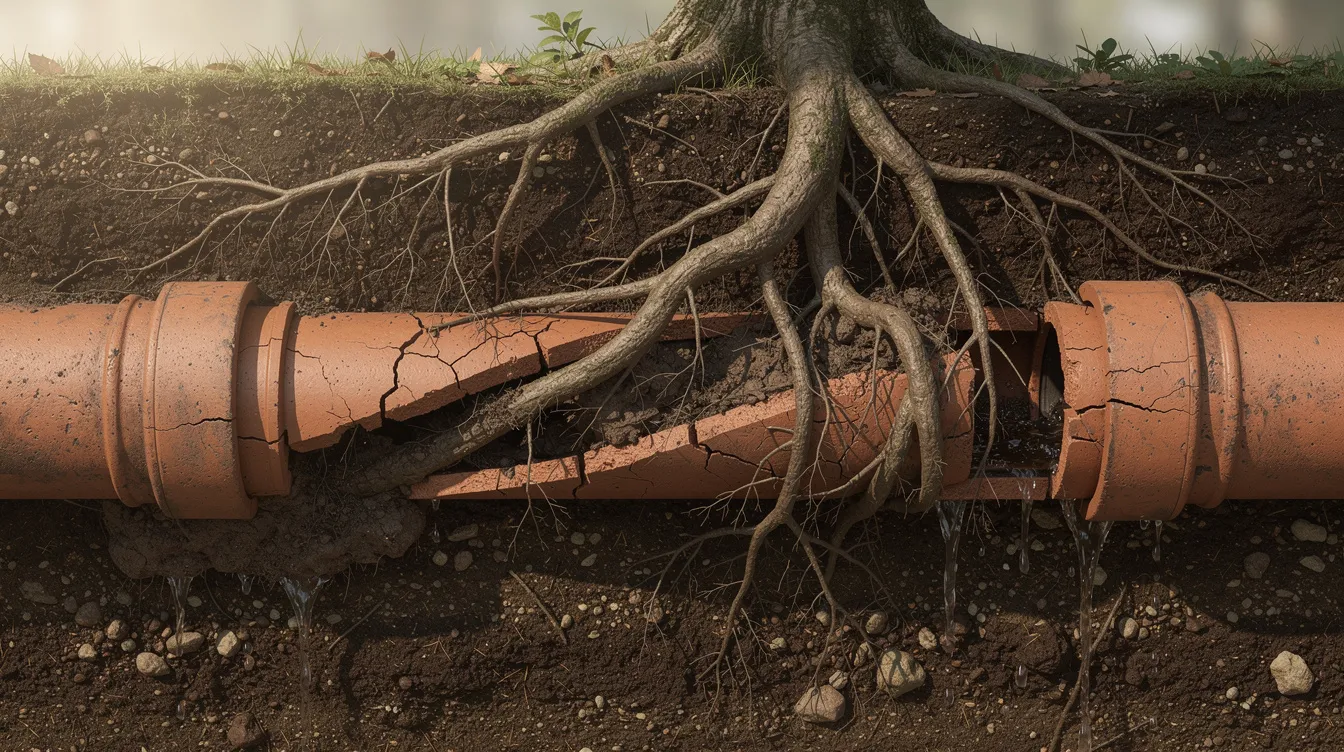
Older clay tile and cast iron sewer pipes – common in 1950s through 1980s Puget Sound homes – are especially vulnerable. Their joints were often not watertight, and decades of ground movement create additional entry points. Modern PVC has fewer joints and more durable connections, but it isn’t completely immune if the ground shifts or installation was imperfect.
Persistent root growth is often a symptom of deeper pipe problems: offset joints, bellies (sagging sections), or partial collapses. If you’re seeing roots repeatedly, there’s likely a structural defect that may eventually require pipe replacement.
Common Signs You Have Roots in Your Drain Line
Root intrusion usually affects your whole plumbing system, not just a single fixture. If only one sink drains slowly, it’s probably hair or grease. If everything in the house is acting up, the problem is likely in your main sewer line.
Watch for these warning signs:
- Multiple slow drains throughout the house at the same time
- Gurgling sounds from toilets or bathtubs when other fixtures are running
- Recurring clogs in the same drain line despite repeated cleaning
- Unpleasant odors – sewage smells in basements, crawlspaces, or your yard
- Lush patches of grass over the sewer line path (indicating a leak feeding the lawn)
- Standing water or soggy spots in the yard near the sewer lateral
Backups appearing at the lowest drains in the home – a basement floor drain, first-floor shower, or tub – are classic indicators. Roots can block sewer lines and cause sewage backups that first show up at these low points because gravity pushes wastewater to the lowest available exit.
How do you tell roots apart from a simple clog? A single slow fixture usually means localized buildup. But frequent backups across multiple fixtures, especially ones that return within weeks or months after basic snaking, point to root issues or structural damage in the main drain line. If that pattern sounds familiar, it’s time for professional help – specifically, a camera inspection to see what’s actually happening underground.
Safety Steps Before Any Sewer Root Removal Attempt
Sewer work involves sewage exposure, sharp tools, and the very real risk of making pipe problems worse. Before reaching for aggressive methods, take a few precautions.
First, verify the problem is in the main sewer or primary drain line. If only one fixture is affected, start with basic plunging or a small hand drain snake. There’s no reason to attack your main sewer for a hair clog in the bathroom sink.
Next, locate your sewer clean-outs – capped pipes typically found outside near the foundation, in basements, or in crawlspaces. These are the safest entry points for any root removal tools.
Basic protective equipment matters:
- Heavy rubber gloves
- Eye protection (safety glasses or goggles)
- Old clothing you don’t mind discarding
- Avoid direct contact with wastewater
Never mix different chemical drain cleaners – the reactions can produce toxic fumes or heat that cracks PVC traps. Don’t pour boiling water directly into toilets (it can crack porcelain) or force a drain snake through a solid obstruction, which can kink the cable or crack brittle clay and cast iron lines.
When to stop DIY: if sewage is rising, strong odors develop inside, or your cable gets stuck and won’t advance, it’s time to call a plumber. Ready Rooter Washington handles these situations 24/7.
DIY and “Gentle” Methods to Clear Roots (What They Can and Can’t Do)
Some home remedies can support general drain cleaning, but they’re rarely enough to clear established tree roots in sewer lines. Set your expectations accordingly.
Boiling water, baking soda and vinegar, or enzyme-based drain cleaners can help dissolve grease and soap buildup. Use enzyme cleaners regularly to maintain healthy pipes between professional service visits. However, none of these will cut through a thick root mass.
Rock salt or Epsom salt is sometimes recommended to kill tree roots inside pipes. They may dehydrate fine feeder roots on contact, but they won’t remove woody roots or fix structural pipe defects that let roots in. You might find these products at any local hardware store, but understand their limits.
Be cautious with repeated salt applications. Overuse can damage surrounding soil, your lawn, and nearby plants if the solution migrates into the yard’s drain field area. These methods can harm nearby plants and shrubs over time without solving the underlying sewer issue.
Use gentle methods only as maintenance in otherwise healthy pipes or as a very temporary measure while waiting for professional sewer service. They’re a supplement, not a solution.
Mechanical Root Removal: Snaking and Cutting
Mechanical drain cleaning is the primary way professionals clear roots from sewer pipes without relying on heavy chemicals. Mechanical root removal uses snaking or augering techniques to physically cut through root masses and restore flow. Removing tree roots from sewer lines requires a mix of mechanical gear and preventive follow-ups.
Here’s how it works: a steel cable is fed through the drain line from a clean-out, and specialized blades or root cutters spin at the end to cut roots and debris. The cutting heads come in various sizes, designed to match different pipe diameter specifications so roots are cut flush with the pipe wall.
There’s a significant difference between homeowner-grade hand augers and professional cable machines. A small hand auger might handle minor root intrusions in a short run of pipe, but for long, root-filled main drains, companies like Ready Rooter Washington use commercial-grade equipment with more torque and reach. You can learn more about these differences in our complete guide to professional drain cleaning methods.
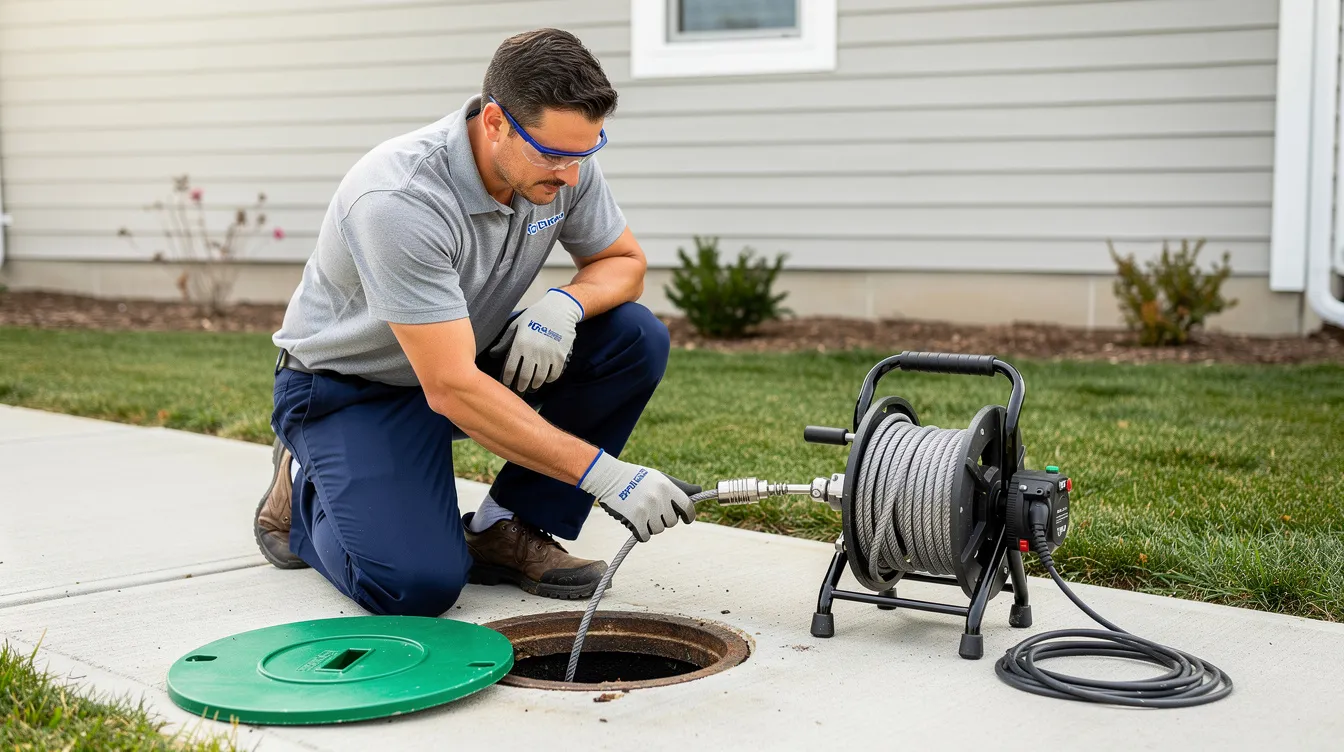
Safety matters here. Cables can kink, whip, or get stuck. Inexperienced users risk injuring themselves or cracking fragile cast iron or clay lines. Mechanical root removal costs between $350 and $600 per visit, which is a reasonable investment compared to the cost of a broken pipe.
Mechanical cutting roots should always be the first major step before any chemical use. Chemicals work far better on freshly cut, small root ends rather than large, intact root masses.
Hydro Jetting: High Pressure Water to Clear Roots and Clean Pipes
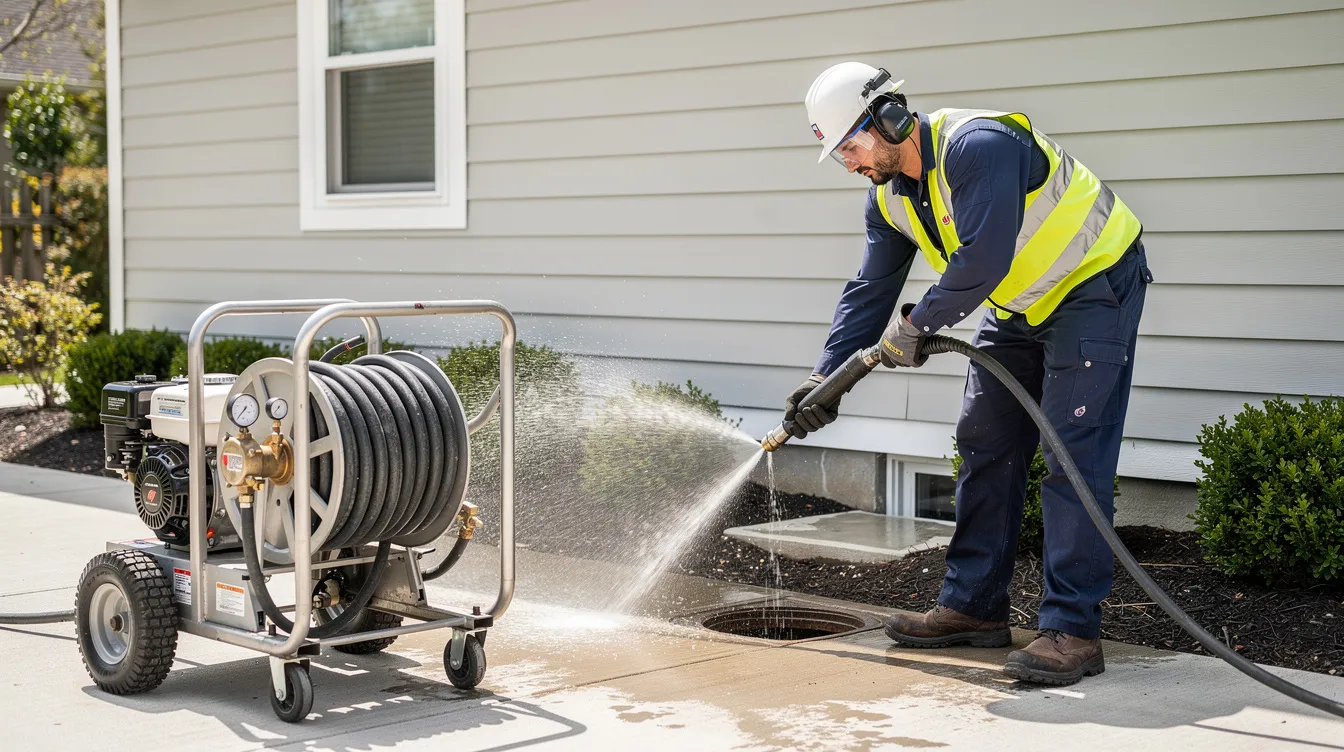
Hydro jetting is a highly effective, non-chemical method where high pressure water – typically 3,000 to 4,000 PSI – is used to cut and flush roots and sludge from drain pipes. It’s one of the most thorough cleaning methods available for residential and commercial sewer lines.
The setup involves a specialized jetting machine, a high pressure water pump, a reinforced hose, and a nozzle that sprays water both forward and backward. The forward jets break up roots and debris while the rear-facing jets pull everything back toward the clean-out for removal. A sewer jetter is effective for removing root debris after cutting, making it an ideal follow-up to mechanical snaking.
Hydro jetting is especially useful in longer sewer runs, heavy grease buildup, and cases where older snaking has left behind root fragments. Where a cable cuts a path through the root mass, hydro jetting scours the entire pipe wall, restoring close to full capacity.
One important caution: badly deteriorated clay or cast iron pipes can be damaged by improper jetting. This procedure should only be performed by trained technicians after a camera inspection confirms the pipe condition. Hydro jetting costs range from $400 to $900 depending on the length of the line and severity of the blockage.
Ready Rooter Washington offers hydro jetting as a core drain cleaning service for customers across the Bellevue and Seattle metro area as part of our broader drain and sewer services in Bellevue, WA. For a deeper look at when jetting makes sense versus other methods, see our guide on why residential hydro jetting is the ultimate drain and sewer cleaning solution.
Camera Inspection: Seeing the Real Condition of Your Sewer Line
Guessing at what’s happening underground is risky and often leads to repeated clogs and wasted money on temporary fixes. Sewer camera inspections are crucial for locating root intrusions and assessing pipe condition before you commit to any major work.
A professional camera inspection works like this: a waterproof camera is pushed through the drain line, sending live video to a monitor. The technician can see and record exactly where roots are entering, whether joints are offset, if the pipe has bellies or corrosion, and how much flow capacity remains. Camera inspection fees range from $150 to $400 depending on access and line length.
The inspection also records the approximate location and depth of problem spots, which means targeted spot repairs instead of digging up the entire yard. This is especially important before hydro jetting or any pipe replacement – you need to confirm the chosen method matches the pipe’s actual condition.
Ready Rooter Washington provides video camera inspection with clear footage and a plain-language explanation so homeowners can see exactly why roots keep returning and which repair options make sense.
Using Root Control Chemicals Safely and Strategically
Some chemical products can help kill roots inside sewer lines, but they must be used carefully. Chemical root killers should not be relied upon as the sole solution for root issues in sewer lines.
Common active ingredients include:
- Copper sulfate crystals – copper sulfate kills roots in sewer lines without harming trees when used in recommended quantities
- Foaming root killers – products like Hercules® R-D™ Root Destroyer that coat the inside of the drain pipe and target fine root fibers; foaming root treatments can be useful as a maintenance measure after the initial clearing
- Dichlobenil-based products – another class of root killer available at many retailers
Chemical treatments are most effective right after mechanical clearing. Once roots have been cut back, the product can contact remaining root tips and slow regrowth. Chemical treatments cost $100 to $300 per application and need reapplication every six to twelve months to remain effective.
Be wary of over-reliance on harsh drain cleaners designed for grease and hair clogs. Repeated chemical use can corrode metal pipes, damage rubber gaskets, and harm septic systems and nearby plants. In environmentally sensitive areas like Puget Sound, runoff is a real concern.
Always follow the manufacturer’s instructions on any root control product, and consult with a licensed plumber before adding root-killing chemicals to your plumbing system.
Repairing and Replacing Root-Damaged Sewer Pipes
If roots keep returning quickly after cleaning, the pipe is likely cracked, collapsed, or deteriorated enough to justify repair or replacement. Proper repair options include pipe relining and replacement to address recurring root problems. The effective removal process usually involves diagnosing, cutting, cleaning, and repairing if needed.
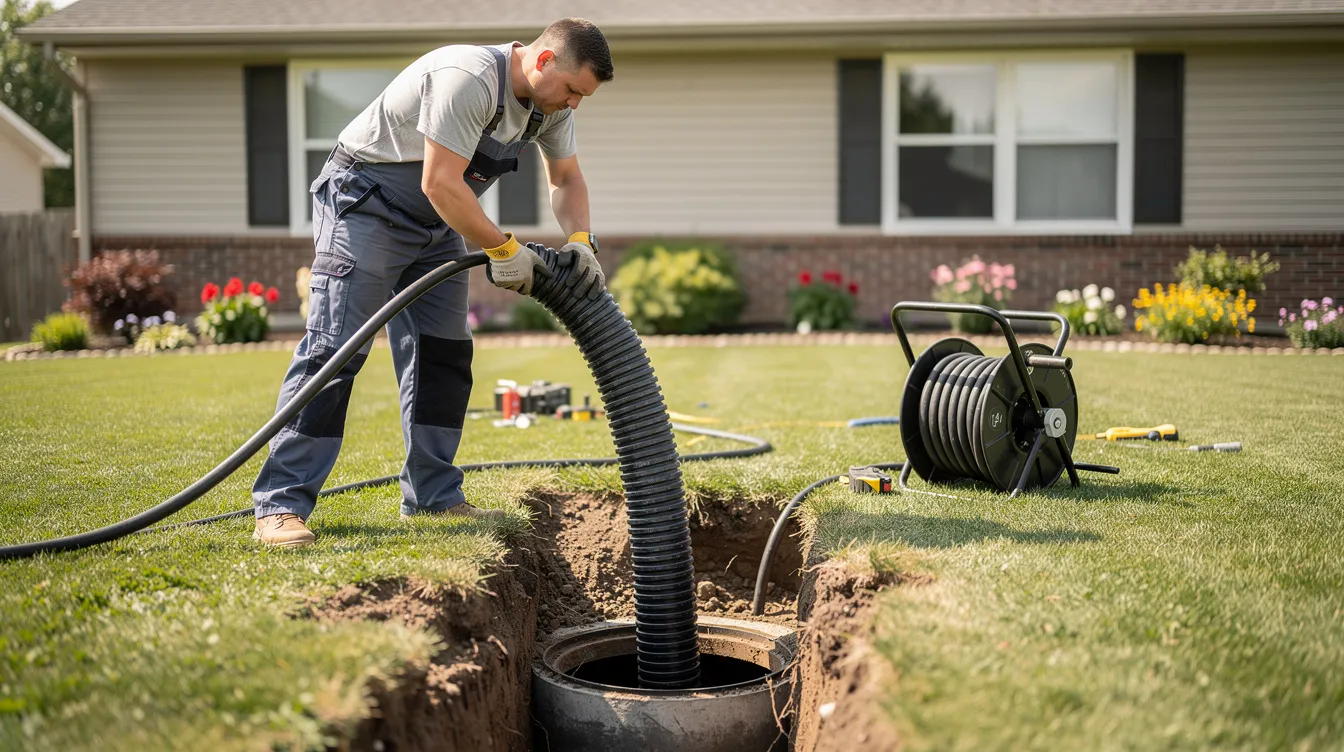
Traditional dig and replace involves excavating the damaged section of the drain line and installing new pipe – typically PVC or HDPE – with watertight joints. It works in every situation but causes major disruption to landscaping, driveways, and hardscapes.
Trenchless repairs offer a less invasive alternative:
- Cured-in-place pipe (CIPP) lining – trenchless pipe lining inserts a resin-coated sleeve into damaged pipes, creating a seamless barrier. Cured-in-place pipe lining seals openings to prevent future root intrusion. It works best when the existing pipe retains its basic shape.
- Pipe bursting – a bursting head fractures the old pipe outward while pulling a new HDPE pipe through the same path. Ideal when the old pipe is too damaged for lining.
Pipe replacement decisions depend on pipe materials: severely rusted cast iron or crumbling clay usually warrants full replacement, while relatively solid pipes with a few defects may be good candidates for lining. Pipe repair costs start at $1,000 for localized spot repairs, while full replacement exceeds $4,000 and can reach well beyond that for longer runs or complex access.
Ready Rooter Washington can evaluate whether repair or full pipe replacement is more cost-effective through a trenchless sewer line repair assessment tailored to your specific property.
Preventing Roots From Coming Back
Clearing roots once is only half the job. Prevention is what saves money and headaches over the next 5 to 20 years. Regular maintenance can help keep lines clear before a full blockage occurs, and regular follow-ups are essential to prevent roots from returning after removal.
Here’s what actually works:
- Know your sewer line path. Use permit records, utility locating, or a camera inspection to map the route before planting new trees or large drain-side shrubs.
- Choose trees wisely. Avoid planting aggressive trees near sewer lines. Species with aggressive root systems – willows, poplars, silver maples, and some large ornamental shrubs – should stay at least 10 to 20 feet from the drain line. Opt for smaller, less water-hungry plants to reduce risks.
- Install root barriers. Installing root barriers – physical shields buried vertically in the soil – can redirect root growth away from pipes during new landscaping or renovations. They won’t stop every root, but they significantly reduce future root intrusion.
- Fix leaking pipes. Repair leaking pipes to eliminate the moisture that keeps attracting new roots. A constant drip underground is an open invitation.
- Schedule regular inspections. Inspect sewer lines every two years to catch root issues early, especially in homes with clay or cast iron laterals and mature trees nearby.
- Maintenance cleaning. Periodic hydro jetting or mechanical cleaning on known problem lines, combined with cautious, limited use of root control products, keeps minor root intrusions from becoming severe blockages.
Why Work With a Local Drain Cleaning Pro Like Ready Rooter Washington
Sewer root removal is often beyond the safe scope of DIY – especially in older Pacific Northwest homes with complex plumbing and aging cast iron or clay lines. The risks of pipe damage, incomplete clearing, and sewage exposure make professional help the practical choice.
What a local pro brings to the table:
- Commercial-grade drain cleaning machines and hydro jetting equipment
- Camera inspection gear with recording capability
- Experience interpreting what they see in the line and recommending the right solution
- Knowledge of regional issues: large evergreen root systems (cedar, Douglas fir, bigleaf maple), high groundwater, and the mix of older and newer pipe materials across Bellevue, Seattle, and surrounding suburbs
Ready Rooter Washington offers 24/7 emergency response for sewer backups, along with scheduled maintenance, trenchless repair options, and veteran discounts as a top plumbing, drain, and sewer company in Bellevue, WA. Call or schedule online when you notice early warning signs – slow drains, gurgling, or odors – rather than waiting for a complete blockage that usually costs more and may require excavation.
Cost Factors for Sewer Root Removal and Pipe Repair
Costs vary widely based on how severe the root intrusion is, what the pipe is made of, how long the line runs, and whether repairs or replacement are needed, and unrelated issues like water heater services in Bellevue and nearby areas will come with their own pricing factors.
| Service | Typical Cost Range |
|---|---|
| Camera inspection | $150 – $400 |
| Mechanical snaking/cutting | $350 – $600 per visit |
| Hydro jetting | $400 – $900 |
| Chemical root treatment | $100 – $300 per application |
| Spot repairs | Starting at $1,000 |
| Full pipe replacement | $4,000+ |
| Labor rates | $75 – $200 per hour |
| Main cost drivers include the type of service (simple drain cleaning vs. hydro jetting vs. pipe lining), pipe materials (clay, cast iron, PVC), pipe diameter, total line length, and how difficult the large drain or sewer lateral is to access. Additional services – locating, permits, restoration like re-pouring concrete or re-landscaping – add to the project total. |
One pattern worth noting: repeated low-cost root cuttings every year or two can eventually cost more than a one-time trenchless repair that stops roots for decades. If you’re spending $400 to $600 annually on snaking and the problem keeps returning, a $4,000 to $8,000 lining job may actually be the cheaper long-term solution.
Request a detailed written estimate from Ready Rooter Washington that outlines both short-term clearing options and long-term repair choices so you can plan a realistic budget.
Conclusion: A Long-Term Strategy for Root-Free Sewer Lines
Roots invade sewers through small defects, causing backups that won’t truly stop until both the roots and the underlying pipe problems are addressed. There is no single magic product – the solution is a systematic approach.
The recommended path: confirm the issue with a camera inspection, clear roots mechanically (and with hydro jetting where appropriate), then repair or line damaged sections to prevent future intrusion. Heavy chemical use should be a last resort and always guided by a professional, with priority given to mechanical cleaning, high pressure water, and trenchless solutions.
If you’re a homeowner or property manager in Bellevue, Redmond, Renton, Kent, or anywhere in the Puget Sound region, contact Ready Rooter Washington 24/7 for expert sewer root removal, inspection, and long-term repair planning. Early action costs less and protects your home from severe damage down the line.
Frequently Asked Questions About Sewer Root Removal
How can I tell if my sewer problem is roots or just a clog?
Single-fixture issues – one slow sink or shower – usually point to localized clogs from hair or grease. Multiple slow drains or backups at the lowest fixtures in the house often indicate main drain line or sewer root problems. If clogs return every few months despite basic snaking, that’s a strong sign of roots or damaged pipes rather than simple buildup. The only way to know for sure is to schedule a camera inspection to confirm whether the blockage is roots, grease, a foreign object, or a collapsed section of pipe.
Is hydro jetting safe for old cast iron or clay sewer pipes?
Hydro jetting can be safe and effective on many older pipes, but only after a camera inspection confirms there are no severely broken or paper-thin sections. Experienced technicians adjust pressure and nozzle types based on pipe material and condition to reduce the risk of damage. In extremely fragile lines, gentler mechanical cleaning or immediate pipe replacement may be safer than full-force jetting. Never let anyone jet a line without inspecting it first.
Can I permanently kill tree roots in my sewer line with chemicals alone?
Chemicals alone rarely provide a permanent solution. They may slow regrowth, but they cannot repair cracks, offset joints, or collapses that let roots in. Overuse of chemical drain cleaners can harm pipes and the environment, making them a poor long-term strategy. The only true permanent fix is repairing or replacing the damaged section of pipe so roots no longer have an entry point. Use chemical treatments as a maintenance step between professional cleanings, not as your primary line of defense.
How often should I have my sewer line inspected for roots?
For older homes with clay or cast iron pipes, camera inspections every two to three years are a good baseline. If there’s a history of root intrusion, increase that frequency to every one to two years. Newer PVC systems without past issues may only need inspection when symptoms arise or before major landscaping or remodeling projects. Ready Rooter Washington can suggest an inspection schedule based on the age of your home, pipe material, and past drain cleaning history.
What can I do in my yard to help prevent future root problems?
Avoid planting thirsty, fast-growing trees directly above or near the known path of the sewer line. Species with aggressive root systems like willows and silver maples should be kept well away. Consider installing root barriers during new landscaping projects to redirect root growth away from critical underground utilities. Most importantly, repair any known leaks or soggy areas along the drain path promptly – constantly wet soil is what draws roots to the pipe in the first place.
Share this post:


