


Key Takeaways
- Vancouver, WA homeowners and businesses can get same-day, licensed plumbing help for emergencies, repairs, and upgrades from multiple local companies offering 24/7 service with upfront pricing.
- This guide explains how to quickly find and choose a trusted local plumber in Vancouver, Washington, including typical response times, licensing verification, and what to expect on pricing.
- Readers will learn about common plumbing problems in specific Vancouver neighborhoods like Hazel Dell, Salmon Creek, and Cascade Park, and how local plumbing professionals typically fix them.
- The article compares emergency, residential, and commercial plumbing services available throughout Clark County and nearby areas.
- Practical FAQs cover costs, permits, response times, and what steps to take while waiting for a plumber to arrive.
Fast Help: Finding a Plumber in Vancouver, Washington Today
When you have water spraying from a burst pipe, no hot water, or sewage backing up into your house, you need a plumber fast. The good news is that several established plumbing companies in Vancouver, WA offer same day service with 24/7 emergency response.
Many local plumbing professionals target response times of 60–90 minutes in central areas like Downtown Vancouver, Hazel Dell, and Salmon Creek. Companies like Nate’s Plumbing maintain a plumber on call every day for emergency plumbing needs, while Mr. Rooter advertises same-day service with no after-hour fees.
Before hiring anyone, verify they hold a valid Washington State license and carry current insurance. License numbers should be visible on websites, trucks, or written estimates. To increase your chances of same-day scheduling for non-emergency jobs, call or request an online quote before 10:00 a.m. when possible.
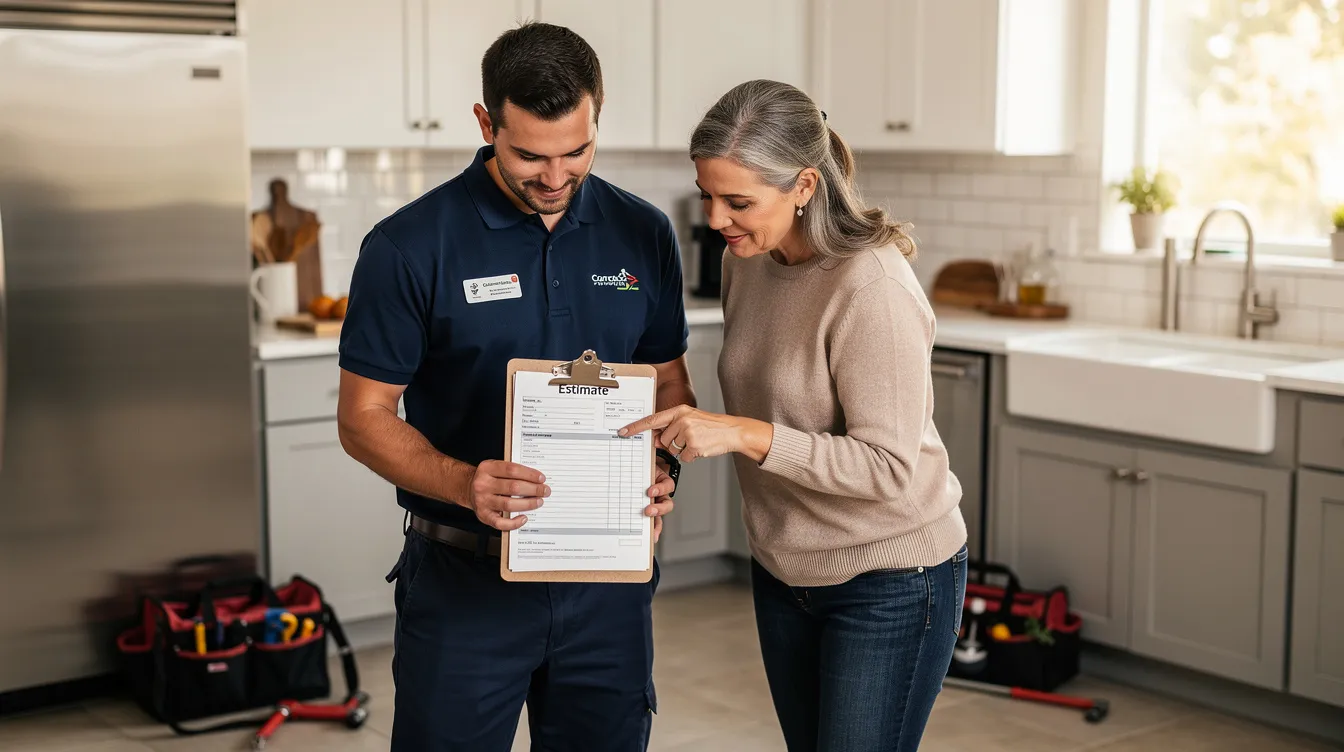
Most reputable Vancouver plumbers now offer flat-rate, upfront pricing with no hidden fees. This protects Clark County homeowners from surprise costs, especially on emergency calls at night or on weekends. Always request a written estimate before work begins.
Why Local Vancouver, WA Plumbers Are in High Demand
Vancouver’s housing stock creates steady demand for plumbing service. The city includes mid-century homes in Hazel Dell and Orchards, 1990s–2010s builds in Salmon Creek and Felida, and rapidly growing areas like Fisher’s Landing.
Older homes often contain galvanized steel or polybutylene pipes that cause plumbing problems by the time they reach 40–70 years old. Low water pressure, rusty water, and frequent leaks become common. Even newer developments face issues like undersized water heaters, high water pressure stressing fixtures, and tree root intrusion into sewer lines.
Vancouver’s wet fall–winter season (October through March) puts extra stress on sump pumps, exterior drains, and sewer systems, creating seasonal spikes in calls. Local plumbers are also busy with remodel work as property values have risen across Clark County since around 2020, driving kitchen and bathroom upgrades that require code-compliant plumbing.

Core Plumbing Services in Vancouver, Washington
Vancouver plumbers handle a wide range of plumbing needs for homeowners and businesses across Clark County and nearby areas like Battle Ground, La Center, and Lake Oswego. The most common services include drain cleaning, water heater repair and replacement, sewer line inspection and repair, repiping, fixture installation, and emergency leak response.
Modern plumbers use advanced equipment including video camera inspections, hydro-jetting, trenchless sewer repair, and PEX repiping to minimize drywall damage and yard excavation. Homeowners across Washington can also find top plumbing, drain, and sewer services in Bellevue that offer similar modern solutions. Both residential and light commercial services are widely available throughout the region, and homeowners in the Puget Sound area can access dedicated drain and sewer services in Bellevue for comparable plumbing needs.
Drain Cleaning & Clog Removal
Older Vancouver homes often have cast iron or clay drains that accumulate grease and scale over decades. Kitchen and mainline clogs are among the most common plumbing issues reported in neighborhoods with older homes.
Professional plumbers clear blockages using augers, cabling, and hydro-jetting. Homeowners facing recurring clogs often benefit from professional drain cleaning and clearing services that address both minor and severe blockages. When clogs recur, they recommend a camera inspection to identify root intrusion or pipe damage. Typical trouble areas include:
- Kitchen sinks in mid-century homes
- Main sewer lines near mature trees in Felida and Cascade Park
- Bathroom drains clogged by hair and soap residue
- Garbage disposals connected to aging drain systems
Professional cleaning restores pipe diameter and helps prevent recurring backups—something quick chemical fixes cannot accomplish.
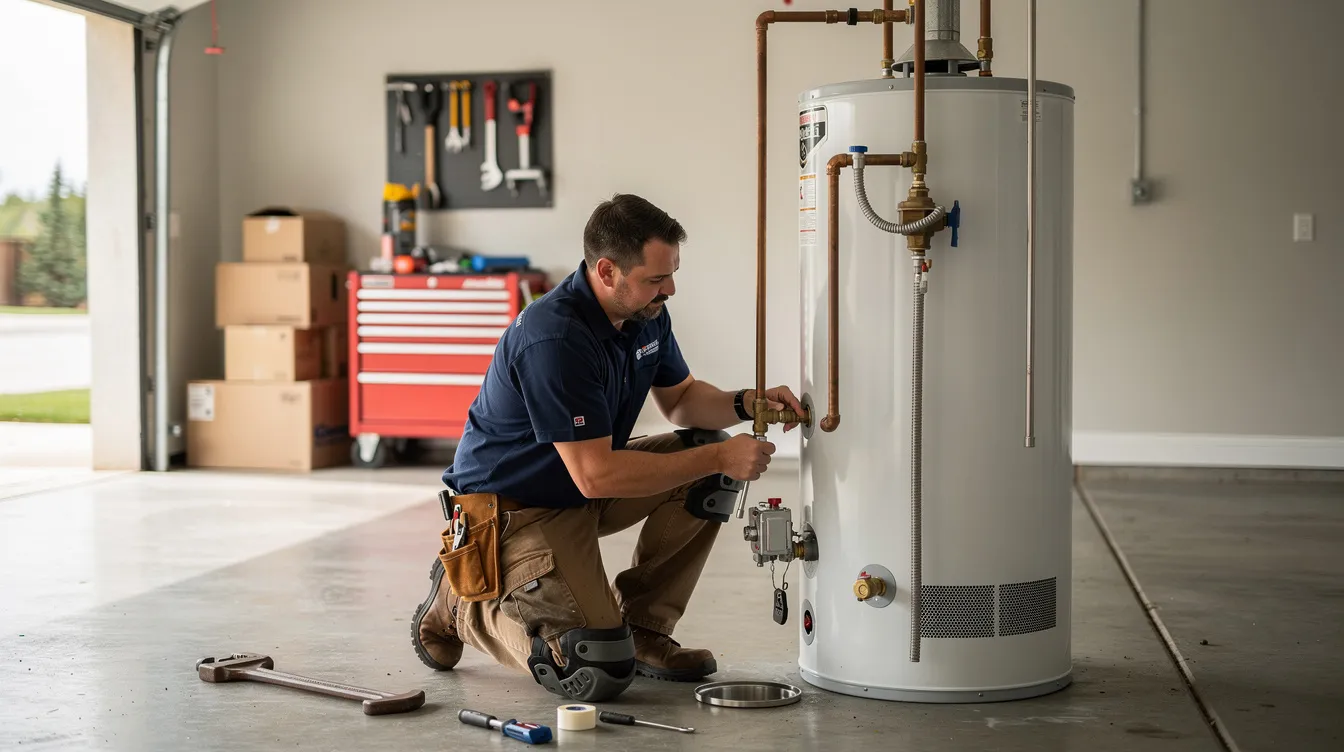
Water Heater Repair & Replacement
Standard tank water heaters in Vancouver typically last 8–12 years. Hard water and sediment often cause premature water heater failures, leading homeowners to call for repair or replacement.
Common symptoms include no hot water, fluctuating temperature, rumbling noises, rusty-colored water, or visible leaks from the tank or relief valve. Plumbers in Clark County can repair heating elements, thermostats, pilot lights, or expansion tanks when appropriate, similar to comprehensive water heater services available in Bellevue and nearby areas.
When repair costs approach replacement value, or when the unit is over 10 years old, most plumbers recommend water heater replacements. Tankless models offer endless hot water, improved efficiency, and space savings, though they require permits and proper venting per Vancouver and state codes.
A typical scenario: replacing a 2012 50-gallon gas heater in a Vancouver home with a new high-efficiency unit can often be completed in a single day visit.
Sewer Line Inspection & Repair
Many Vancouver neighborhoods still have older clay, Orangeburg, or cast iron sewer lines vulnerable to tree root intrusion and collapse. This is particularly common in areas with larger lots and mature landscaping.
Sewer camera inspections help locate root intrusion, pipe offsets, or bellied sections before major problems occur. In some cases, trenchless sewer line repair methods can resolve these issues with minimal digging and faster project timelines. Neighborhoods like Felida and parts of Cascade Park with large trees benefit most from proactive inspections.
Common repair methods include:
| Issue | Solution |
|---|---|
| Moderate root intrusion | Hydro-jetting plus root treatment |
| Damaged pipe sections | Trenchless pipe lining or pipe bursting |
| Severely deteriorated lines | Full replacement |
| Local plumbers often coordinate with the City of Vancouver or Clark Regional Wastewater for mainline tie-ins and permits when repairs extend to the right-of-way. Proactive annual inspections can be far cheaper than emergency excavation after a major backup. |
Repiping & Aging Pipe Replacement
Galvanized steel and polybutylene piping is common in older homes (roughly 1950s–1980s builds) throughout Vancouver. These materials often show problems like low pressure, pinhole leaks, and discolored water as they age.
Professional plumbers replace failing systems with modern PEX or copper, typically completing small to mid-size Vancouver home repiping in 1–2 working days. Homeowners should expect:
- Water shut-off periods during work
- Wall openings for pipe access
- City inspection visits
- Final walkthroughs and patching
Complete repiping also provides an opportunity to add shutoff valves, hose bib upgrades, and pressure-regulating valves. Some companies offer financing plans for whole-home repipe projects—ask about current promotions when scheduling.
Fixture, Toilet, and Leak Repairs
Dripping faucets, running toilets, leaking angle stops, and under-sink leaks are among the most common calls Vancouver plumbers receive. Professional repair using quality parts often extends fixture life, though replacement with water-efficient models sometimes makes more sense.
Hidden leaks behind walls or ceilings demand quick attention, especially in multi-story homes in Salmon Creek and East Vancouver. Water damage can lead to mold and structural problems when left unaddressed. Signs of hidden leaks include warm spots on floors (indicating slab leaks), unexplained spikes in water bills, or damp drywall.
Many local plumbers offer small-job visits with clear minimum charges, making it efficient to bundle several minor repairs into one service call.
Emergency Plumbers in Vancouver, WA
True plumbing emergencies—burst pipes, sewage backups, and complete loss of water—require immediate professional help. Many Vancouver-based plumbing companies operate live dispatch around the clock and target arrival times of 60–90 minutes within most Clark County neighborhoods.
Emergency pricing typically includes a dispatch fee and clear written estimates before work. Mr. Rooter explicitly advertises no after-hour fees, while other companies may charge modest weekend or evening surcharges. Always confirm pricing before the job starts.
What to do before the plumber arrives:
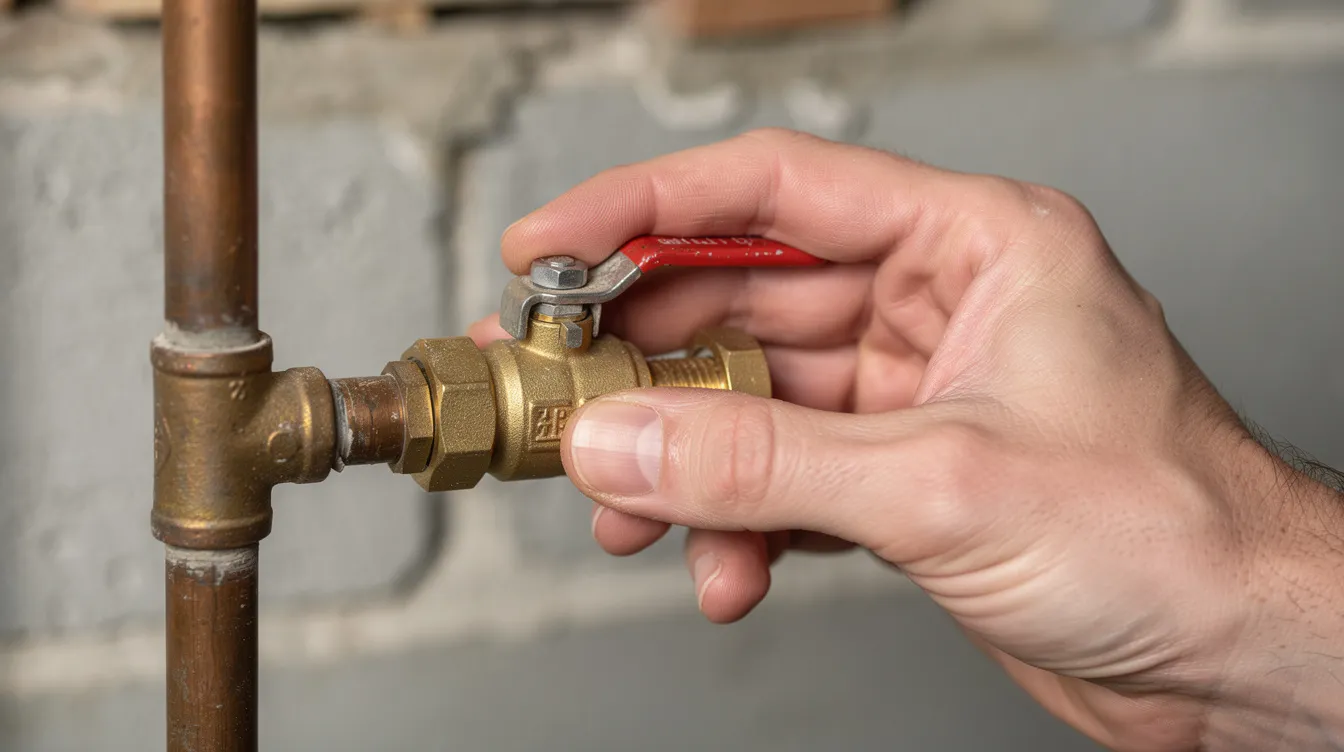
- Shut off the main water valve if there’s an active leak
- Turn off power or gas to the water heater if it’s leaking
- Avoid using drains during a sewer backup
- Move valuables away from water-damaged areas
- Document damage with photos for insurance purposes
Winter risks deserve special attention. Frozen pipes during cold snaps (typically December–February) affect unheated crawlspaces and exterior hose bibs in many Vancouver homes.
Common Plumbing Emergencies in Clark County
The most frequent emergency calls include:
- Burst supply lines and pipe bursts
- Overflowing toilets
- Sewer line blockages
- Failed water heaters leaking
- Significant slab or wall leaks
Vancouver plumbers stabilize these issues on arrival by isolating leaks, snaking or jetting blocked mains, or bypassing failed water heaters until replacement. Many companies provide photos and written reports to support homeowner insurance claims.
When to call 911: If electrical systems or gas lines are affected alongside plumbing problems, contact emergency services before calling a plumber.
Residential vs. Commercial Plumbers in Vancouver, WA
Residential plumbing covers single-family homes, condos, townhomes, and small rentals. Commercial work includes restaurants, offices, retail spaces, and multi-unit buildings. Many Vancouver plumbing companies serve both segments but may send different technicians based on code and fixture requirements.
Typical residential services:
- Emergency leak repair
- Kitchen and bath remodels
- Repiping and water line replacement
- Water heater service
- Fixture upgrades for family usage
Typical commercial needs:
- Grease trap and drain maintenance for restaurants
- Restroom fixture repair in offices
- Backflow testing
- Tenant improvement plumbing
Always confirm that a plumber has experience with your specific type of building—especially for commercial kitchens, medical offices, or older mixed-use properties in Downtown Vancouver.
Plumbing for Remodels and Renovations
Bathroom and kitchen remodels have surged in Vancouver neighborhoods like Fisher’s Landing, Salmon Creek, and West Vancouver. Plumbers play a critical role in these projects by relocating drains and supply lines, installing new tubs or showers, adding island sinks, and ensuring proper venting.
Most significant plumbing changes require permits and inspections through the City of Vancouver. Reputable plumbers handle this paperwork as part of their service. A common project involves converting a tub to a walk-in shower in a 1970s Hazel Dell home, including upgrading to a larger drain and modern mixing valve to meet current codes.
Coordination with general contractors, electricians, and tile setters keeps remodels on time and on budget. Clear scheduling and communication are essential.
How to Choose the Best Plumber in Vancouver, Washington
Finding reliable solutions among the many plumbers serving Vancouver and Clark County requires some verification. Start by confirming Washington State licensing through the Department of Labor & Industries website and verifying current insurance. Look for a physical address in or near Vancouver.
Check Google reviews and local ratings on platforms like Angi, focusing on recent feedback from the past 12–24 months. Look for patterns in comments about punctuality, cleanliness, and great customer service.
For bigger jobs like sewer repair or repiping, request written estimates with clear scopes of work and transparent warranties on both parts and labor. A satisfaction guaranteed promise from a family business often carries more weight than the lowest bid from an unknown contractor.
Ask about same-day or next-day availability, after-hours policies, and whether the company stocks common parts on their trucks to complete repairs efficiently in a single visit.
Questions to Ask Before You Hire
Before scheduling, ask potential plumbers these questions:
| Question | Why It Matters |
|---|---|
| Are you licensed and insured in Washington? | Protects you from liability |
| Is pricing flat-rate or hourly? | Helps you compare estimates accurately |
| What warranty do you offer on parts and labor? | Ensures you’re covered if something goes wrong |
| What’s your dispatch or service call fee? | Avoids surprise charges |
| Do you pull required permits? | Keeps work code-compliant |
| Additional considerations: |
- How will the plumber protect your home (drop cloths, shoe covers, cleanup)?
- Does the company perform background checks on technicians?
- Will the same technician return for follow-up visits on larger projects?
Remember that the “cheapest” estimate isn’t always best. Long-term value and reliability are especially important for hidden systems like pipes. A knowledgeable team that does quality work and an excellent job the first time saves money over repeated repairs.
Neighborhood Plumbing Issues Across Vancouver, WA
Different Vancouver neighborhoods have distinct plumbing challenges based on home age, lot size, and soil conditions. Plumbers serving Vancouver typically group calls by area—Hazel Dell, Salmon Creek, Felida, Cascade Park, Orchards, and Downtown—to provide faster response and better familiarity with local issues.
Understanding your neighborhood’s typical plumbing profile helps you anticipate problems and schedule preventive inspections before emergencies arise.
Examples of Local Plumbing Patterns
Hazel Dell and Central Vancouver: Many 1950s–1970s homes contain galvanized supply lines and cast iron drains. These systems commonly cause low pressure, rusty water, and recurring clogs. Nate’s Plumbing reports replacing over 300 water lines per year in Clark County, reflecting the aging infrastructure in these areas.
Salmon Creek and Felida: Predominantly 1990s–2010s construction with PVC drains and copper or PEX supply. Larger lots with mature trees often cause sewer root intrusion and yard drainage issues.
Cascade Park and Orchards: Mid-century to 1980s homes where polybutylene and early copper systems are reaching the end of reliable lifespan. Repiping and sewer upgrades are common here.
Downtown Vancouver and Uptown Village: Older mixed-use buildings with complex shared plumbing, aging sewer laterals, and strict code requirements for food service businesses.
Real example: A frequent mainline clog in a Felida home was traced to maple tree roots, requiring hydro-jetting and trenchless repair. A complete galvanized repipe in a 1965 Hazel Dell ranch was completed in two days with minimal disruption to the family.
Plumbing Costs and Pricing in Vancouver, WA
Plumbing costs vary based on the job, but understanding how pricing works helps homeowners budget appropriately. Most bills include a service call or dispatch fee, labor (flat-rate or hourly), parts, permits if required, and any after-hours surcharges.
Many Vancouver plumbers advertise flat-rate pricing for common tasks like drain cleaning or water heater replacement. This provides transparency and eliminates concerns about hourly rates adding up during complex jobs.
For larger projects—full-home repiping, sewer line replacement, or major remodels—obtain at least two written estimates. Compare scope, materials, warranty lengths, and price before deciding. Some companies offer coupons, military/first responder discounts, or financing plans on big-ticket work.
Most reputable plumbers provide a free estimate and explain all charges before work begins, ensuring there are no hidden fees.
Factors That Influence Your Final Plumbing Bill
Several factors affect what you’ll pay:
- Job complexity: Simple fixture swap vs. full repipe
- Home accessibility: Easy access vs. tight crawlspace or slab foundation
- Existing plumbing condition: Newer PEX vs. deteriorated galvanized
- Permits required: Some jobs require City of Vancouver inspection
- Timing: Scheduled vs. emergency work
Projects in tight crawlspaces, older Downtown buildings, or multi-story homes may cost more due to access challenges and hard work required. Using quality fixtures and materials raises upfront cost but often reduces long-term maintenance.
Ask for good-better-best options when receiving estimates. This helps you choose between economical and premium solutions based on your budget and how long you plan to stay in your Vancouver home.
DIY plumbing mistakes can lead to code violations, water damage, or denied insurance claims. Critical work on water lines, sewer systems, and gas connections is best left to licensed, insured professionals who can serve your plumbing needs reliably and efficiently.
Frequently Asked Questions About Plumbers in Vancouver, Washington
This FAQ section answers common plumbing questions not fully covered above, providing practical guidance for Vancouver homeowners dealing with plumbing issues.
How quickly can a plumber usually get to my home in Vancouver, WA?
For true emergencies, many local plumbers aim for 60–90 minute response times in core areas like Hazel Dell, Salmon Creek, and central Vancouver. Actual arrival depends on traffic and call volume. Same-day service for non-emergency issues is often available if booked in the morning, while routine projects and remodels may be scheduled days to weeks out during busy seasons.
Winter storms or severe cold snaps can slow travel and increase demand, so call early and remain flexible when possible. Ask the dispatcher for a realistic arrival window and whether you’ll receive a call or text when the technician is on the way.
Do I need a permit for plumbing work in Vancouver, Washington?
Minor repairs—fixing a leaky faucet, clearing a simple clog, or replacing a toilet—usually do not require a permit. Work that moves drains, installs new piping, or replaces a water heater often does require permits.
The City of Vancouver Building Safety division oversees plumbing permits within city limits, while Clark County handles unincorporated areas. Reputable licensed plumbers typically pull required permits on your behalf and schedule inspections when necessary. Confirm during the assessment whether your project needs permits and how fees appear on the invoice.
Is Vancouver’s water quality affecting my plumbing?
Vancouver’s municipal water is generally safe and closely regulated, but it can contain minerals that contribute to scale buildup inside water heaters and fixtures over time. Sediment and hardness shorten tank-style water heater lifespan and reduce water pressure through aerators and showerheads.
Consider annual water heater flushing and periodic cleaning or replacement of faucet aerators. Plumbers can install whole-house filtration or water conditioning systems for homes where mineral buildup has become a persistent problem—contact a local company for an assessment.
What should I do before the plumber arrives?
If there’s an active leak, turn off the main water shutoff. If your water heater is leaking or making alarming noises, shut off power or gas following manufacturer instructions. Clear the work area around the problem—under the kitchen sink, near the water heater, or around a floor drain—so the plumber can access it quickly.
Write down symptoms, when they started, and any DIY attempts already made. This helps the technician diagnose the issue in a timely manner. Safely contain water with towels or buckets and move valuables away from affected areas to prevent further damage.
Can I handle small plumbing repairs myself, or should I always call a pro?
Simple tasks like replacing a showerhead, swapping a faucet aerator, or plunging a minor toilet clog can often be done safely by handy homeowners. More involved jobs—opening walls, working on gas lines, modifying drain piping, or water heater replacement—are best left to licensed plumbers to avoid leaks, code issues, and safety hazards.
If a “small” problem keeps returning, like a drain that reclogs every few weeks, it usually signals a deeper issue requiring professional equipment. Many plumbing offices in Vancouver, including Sarkinen Plumbing and other services in the Portland area and nearby communities, can quickly tell by phone whether a task sounds DIY-friendly or needs professional attention. Don’t hesitate to contact a local company with your plumbing questions—they’re happy to schedule an appointment or point you in the right direction.
Share this post:


